Plant-based living
Going plant-based after 60: a gentle, practical start
By Carol Pocock6 minute read
Starter article: draft for Carol to read, correct and approve
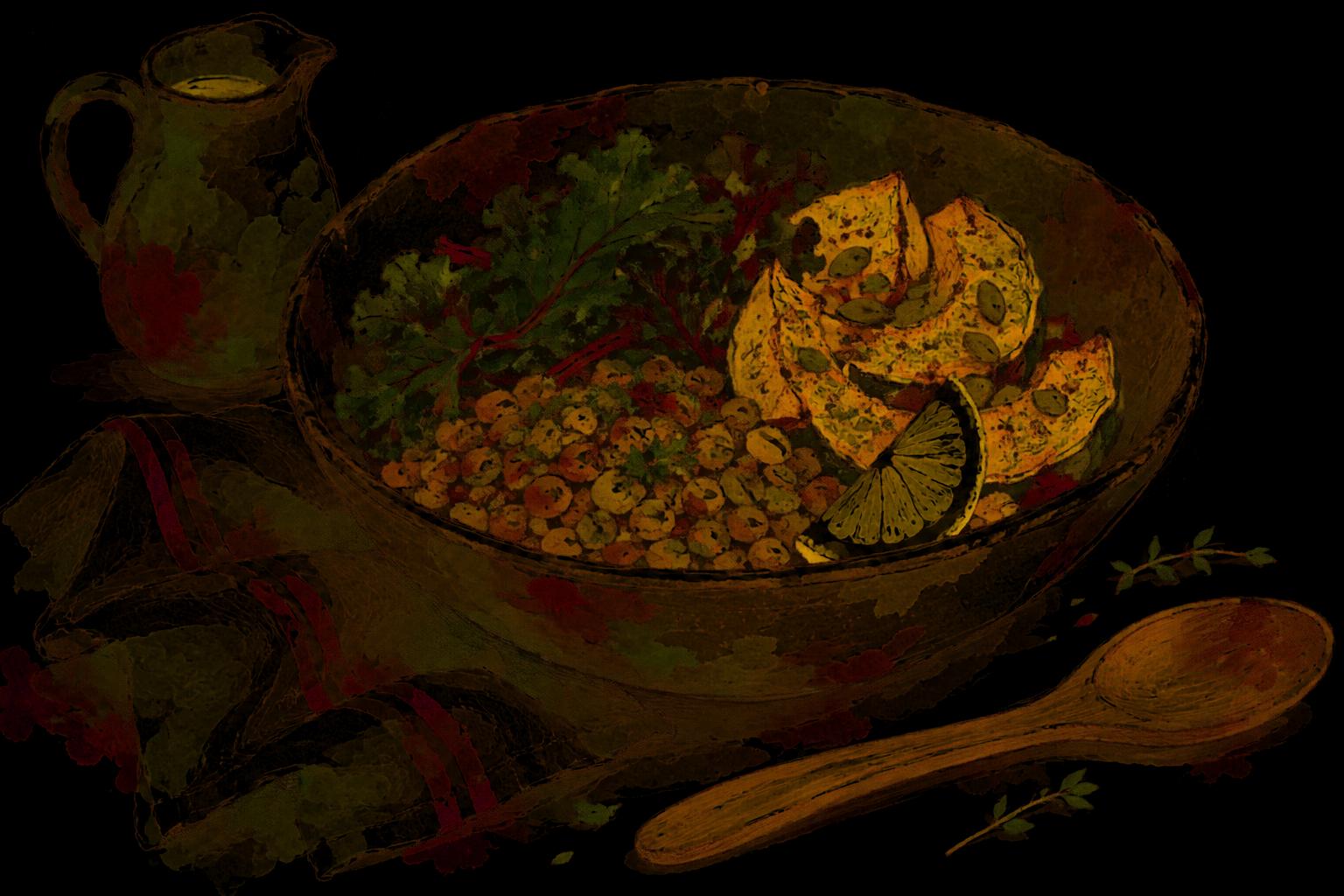
Yes, you can move to a plant-based way of eating after 60, and many people find they enjoy their food more for it. It does ask for more attention than it would at 30, mainly around protein, vitamin B12 and a few other nutrients, and it goes better as a slow shift over a month or two than as an overnight conversion. Talk to your doctor first if you take regular medication or manage a health condition.
I eat this way myself, and I am not here to recruit you. What follows is what I would tell a friend my age who asked over a cup of tea how to begin.
First, what "plant-based" means here
The words get used loosely, so let me be plain. I mean meals built from vegetables, fruit, beans, lentils, whole grains, nuts and seeds, with little or no meat, fish, dairy or eggs. Some people go fully vegan. Some eat this way most of the week and are relaxed about the rest. Both are real, and you are allowed to find your own place on that line.
I would also gently separate two things that are often sold together: the food and the identity. You do not need a new label, a new set of friends or an opinion about anyone else's dinner. You only need a few meals you like.
What is different about doing this after 60
A body in its sixties is not the body the internet's meal plans were written for. A few things change, and it is better to know them than to be surprised.
- We tend to need more protein, not less. Appetite often gets smaller with age while the body gets a little less efficient at using protein to keep muscle. One international expert group (the PROT-AGE study group, in 2013) suggested that healthy older adults aim for about 1.0 to 1.2 grams of protein per kilogram of body weight a day, which is more than the standard adult figure. Your own number is a question for your doctor or a dietitian.
- Vitamin B12 is not optional. B12 is not reliably found in plant foods, and many people absorb less of it from food as they get older in any case. Anyone eating fully plant-based should get it from a supplement or fortified foods. This is the one point on which nearly every health body agrees.
- Bones need thinking about. Calcium and vitamin D matter more with each decade. Both can be had without dairy, but not by accident.
- Digestion may want a slower change. Going from very few beans to beans at every meal is a shock to any system. Yours will adapt, given a few weeks.
- Medication. Some medicines interact with big changes in diet. Leafy greens and blood thinners is the well-known example. This is why the conversation with your doctor comes first.
None of this is a reason not to do it. It is a reason to do it with your eyes open.
The nutrients worth keeping an eye on
Here is the short list I keep in my own head. It is general information, not a prescription.
| Nutrient | Where it comes from on a plant-based plate | Worth knowing |
|---|---|---|
| Protein | Lentils, beans, chickpeas, tofu, tempeh, soya milk, nuts, seeds | Aim to have some at every meal, not only at dinner |
| Vitamin B12 | Supplement, or fortified foods such as some plant milks and nutritional yeast | Treat this one as essential |
| Calcium | Calcium-set tofu, fortified plant milk, kale, tahini, almonds | Check that your plant milk is fortified; not all are |
| Vitamin D | Sunlight, fortified foods, supplement | Many people over 60 are advised to supplement regardless of diet |
| Omega-3 | Ground flaxseed, chia, walnuts; algae oil for the long-chain kind | Ask your doctor whether an algae supplement makes sense for you |
| Iron | Lentils, beans, tofu, dark greens, pumpkin seeds | A squeeze of lemon or other vitamin C with the meal may help absorption |
| Iodine | Iodised salt, some fortified plant milks | Easy to miss once dairy and fish are gone |
If that table makes you want a blood test, good. A baseline before you start and a check a few months in is a sensible, unglamorous idea.
A gentle first month
Most guides ask you to clear out the fridge on day one. I would do the opposite.
- Week one: change breakfast only. Porridge with ground flaxseed, nuts and fruit. Or toast with peanut butter and banana. Leave the rest of the day alone.
- Week two: add three plant-based lunches. A lentil soup you make once and eat three times is the whole plan.
- Week three: two dinners a week. Choose things that were nearly plant-based already: a bean chilli, a vegetable curry with chickpeas, pasta with a good tomato sauce and white beans stirred through.
- Week four: look at what is left. By now you will know which animal foods you miss and which you have not thought about. Decide what stays. Start the B12 if you have not already.
Go slower if you like. Nobody is timing you.
What a day can look like
To make it concrete, here is an ordinary day from my own kitchen. It is an example, not a plan to copy.
- Breakfast: porridge made with fortified soya milk, a spoon of ground flaxseed, walnuts and stewed apple.
- Lunch: lentil and vegetable soup with wholegrain bread and hummus.
- Afternoon: a handful of almonds and a piece of fruit.
- Dinner: roasted squash, greens and spiced chickpeas over brown rice, with tahini and lemon.
There is protein at every meal there, and nothing in it needs a specialist shop.
The honest downsides
Eating out takes a little more planning, though far less than it did ten years ago. Family meals can need a conversation, and it helps to offer to cook. The first few weeks of more fibre can be windy. And you will need to take a supplement or two, which some people dislike on principle.
For me those are small prices. They are still prices, and you should hear about them from someone who pays them.
A few questions people ask me
Is it safe to go vegan at 65 or 70? For most people a well-planned plant-based diet can meet their needs at any age, and it may help with some markers of health. "Well-planned" is the important part, and anyone with a medical condition should make the change with their doctor's knowledge.
Will I lose muscle? Muscle depends on eating enough protein and on using your muscles. A plant-based diet can provide the protein if you plan for it. The using part is down to movement, which is a separate habit worth having.
Do I have to give up everything at once? No. Eating mostly plants is a perfectly good place to stop, and a perfectly good place to stay.
More from my kitchen is under Plant-based living. If the hardest part for you is starting anything at all at this age, I wrote about that in starting over at 60.
This article is general information and one person's experience. It is not medical or dietary advice. Please speak to your doctor or a registered dietitian before making significant changes to how you eat.
Carol Pocock writes about living well after 60 and teaches yoga, meditation and breathwork at Lifetime Body by Design. More about Carol.