Starting again
How to reinvent yourself after 60 (without burning your life down)
By Carol Pocock7 minute read
Starter article: draft for Carol to read, correct and approve
If you want to know how to reinvent yourself after 60, start by keeping most of what you already have. Reinvention at this age is mostly editing: you hold on to your skills, your people and your temperament, you put down the parts that no longer fit, and you try the new thing small before you tell anyone it is your new life. Nothing needs to be burned down for something else to grow.
I am writing this because I am doing it. In my sixties I am turning what I know about yoga, breathing and plant-based cooking into a company and a book. I did not start from a blank page. I started from a very full one and began crossing things out.
Why reinventing yourself at 60 is editing, not starting over
Most advice on how to reinvent yourself reads as if you were 25 with nothing to lose. Quit, move, rebrand, become someone else by spring. At 60 that looks brave and is mostly wasteful. You would be throwing away the most useful thing you own, which is several decades of knowing how to do things.
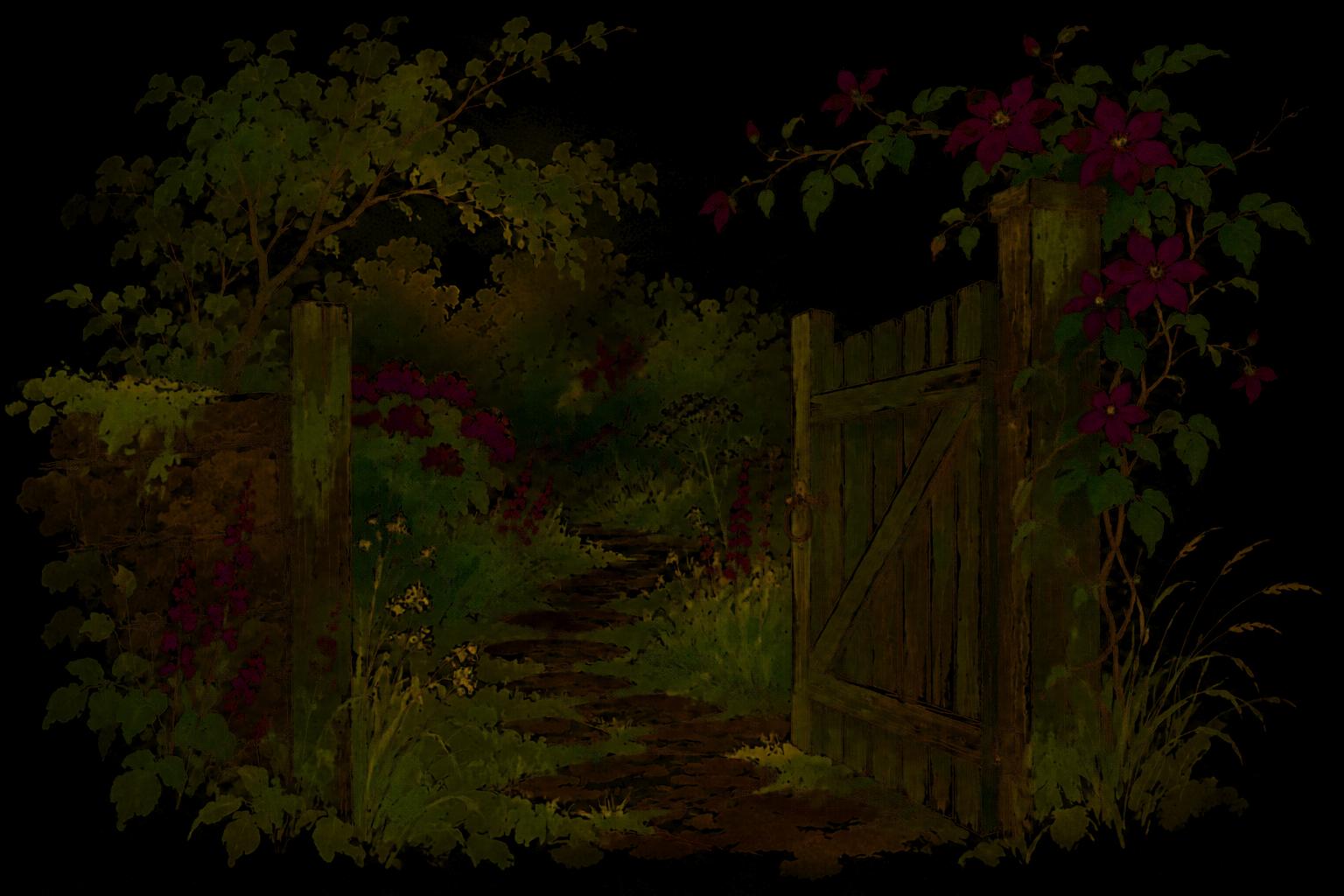
I find it more helpful to think of a garden than a building site. You do not bulldoze a garden because you want it to look different. You cut some things back, you move a few plants to where they get more light, you clear one bed and try something new in it. A year later it is a different garden, and it is still yours.
So the question is less "who do I want to become?" and more "what am I already carrying that could be put to a new use?"
What to keep
Before you change anything, make an honest list of what is worth bringing with you. Mine fell into three piles, and I suspect yours will too.
- Skills. Not only the ones on a CV. The ability to explain a thing clearly, to calm a room, to finish what you start, to cook for people, to notice when someone is struggling. These travel. Most new directions at 60 are old skills pointed somewhere else.
- People. The friends, former colleagues and neighbours who already trust you. They are your first audience, your first customers, your first honest critics. Reinvention that cuts them off starts from cold.
- Temperament. How you actually work. Whether you are a morning person, whether you need quiet, whether you do better alone or with company. You are not going to become a different person by changing your work, so build the new thing to suit the one you are.
[Carol: one sentence on which of your own skills turned out to travel furthest would go well here.]
What to put down
Editing means taking things out, and this is the harder half. Energy after 60 is a budget, and a new direction has to be paid for with something.
Some things are easy to let go of: a committee you only stayed on out of habit, a hobby you kept because you had always had it. Others are harder, because they are tied up with how other people see you. The role of the one who always says yes. The title you held for years. The version of yourself your family is used to.
A useful test is to ask of each commitment: would I take this on today, if it were offered fresh? If the answer is no, it may be time to set it down politely. Not with a speech. Just by doing a little less of it, then none.
You do not need to stop being who you were. You only need to stop doing the parts of it that are in the way.
Run a small trial before any big announcement
This is the part I would underline twice. Do not announce a reinvention. Test one.
A trial is a small, real version of the new life that you can run for a few weeks without changing anything else. It answers the questions you cannot answer by thinking: do I enjoy this on a wet Tuesday, does anyone want it, does my body cope with it.
| If the new direction is... | A small trial might be... |
|---|---|
| Teaching or coaching | Running one short session for a few people you know |
| Writing | Writing for twenty minutes a day for a month, and showing one piece to one reader |
| A small business | Selling or offering one thing to ten people before building anything else |
| A move to a new place | Renting there for a few weeks in the worst season |
| Volunteering or a new field | Giving it one morning a week before you give it your week |
Two things make a trial useful. It has an end date, so you can look back and decide without guilt. And it involves at least one real person, because the reaction of a real person tells you more than a month of planning.
If the trial goes well, run a slightly bigger one. If it goes badly, you have lost a few weeks and learned something. Either way you have not resigned from anything, sold anything or told the whole family at Sunday lunch.
The awkward middle
There is a stretch, and nobody warns you about it, when you are no longer the old thing and not yet the new one. You have stepped back from what you used to do, and the new work is still too small to explain at a party.
It is an uncomfortable place. People ask what you do and you hear yourself giving a long, uncertain answer. You miss the ease of being good at something. Some days the old life looks very attractive, mostly because you knew how it worked.
A few things have helped me through it:
- Give the middle a length. Tell yourself it will take a year or two, not a season. It usually does, and expecting it makes it easier to bear.
- Keep one steady thing. A daily walk, a morning routine, a regular meal with a friend. Something that stays the same while everything else is moving. Mine is the slow start I wrote about in my morning routine, and the breathing and gentle yoga I teach through Lifetime Body by Design.
- Measure what you did, not what you are. "I wrote three pages this week" is something you can be pleased with. "I am now a writer" is something you will argue with yourself about.
If the middle starts to feel less like uncertainty and more like a heaviness that will not lift, that is worth a conversation with your doctor. Persistent low mood is not a stage of reinvention to be pushed through.
What other people make of it
They will have opinions. Some will be delighted and say so. Some will be quietly worried, often because your change unsettles their picture of you, or of their own plans. A few will treat it as a phase.
I have found it helps to say less, earlier. Tell people what you are trying, not what you are becoming. "I am running a small trial of teaching on Thursday mornings" is hard to argue with. "I am reinventing myself" invites a debate.
And give them time. Most people come round once the new thing stops being an idea and becomes something you simply do every week. They do not need to approve of it first.
A few questions people ask me
How do you reinvent yourself at 50, and is 60 different? The method is the same: keep what works, drop what does not, test small. At 60 the runway is a little shorter and energy needs more care, so the trials matter even more. You have less time to waste on a big wrong turn.
Is it selfish to reinvent yourself at 60? Wanting your later years to fit who you are is not selfish. It does help to talk to the people most affected before the change reaches them, rather than after.
What if I do not know what I want to become? Then do not decide yet. Run two or three small trials of things you are curious about and pay attention to which one you keep thinking about afterwards.
How long does reinventing yourself after 60 take? Longer than you hope. For most people it is a year or more before the new shape feels settled, and that is normal, not a sign it is failing.
If you are wondering whether it is too late to begin at all, I wrote about that in starting over at 60. There is more under Starting again, including what to do after retirement and a piece for anyone who is simply bored in retirement.
Carol Pocock writes about living well after 60 and teaches yoga, meditation and breathwork at Lifetime Body by Design. More about Carol.