Whole food nutrition
How to cook chickpeas from dried, and what to do with them
By Carol Pocock8 minute read
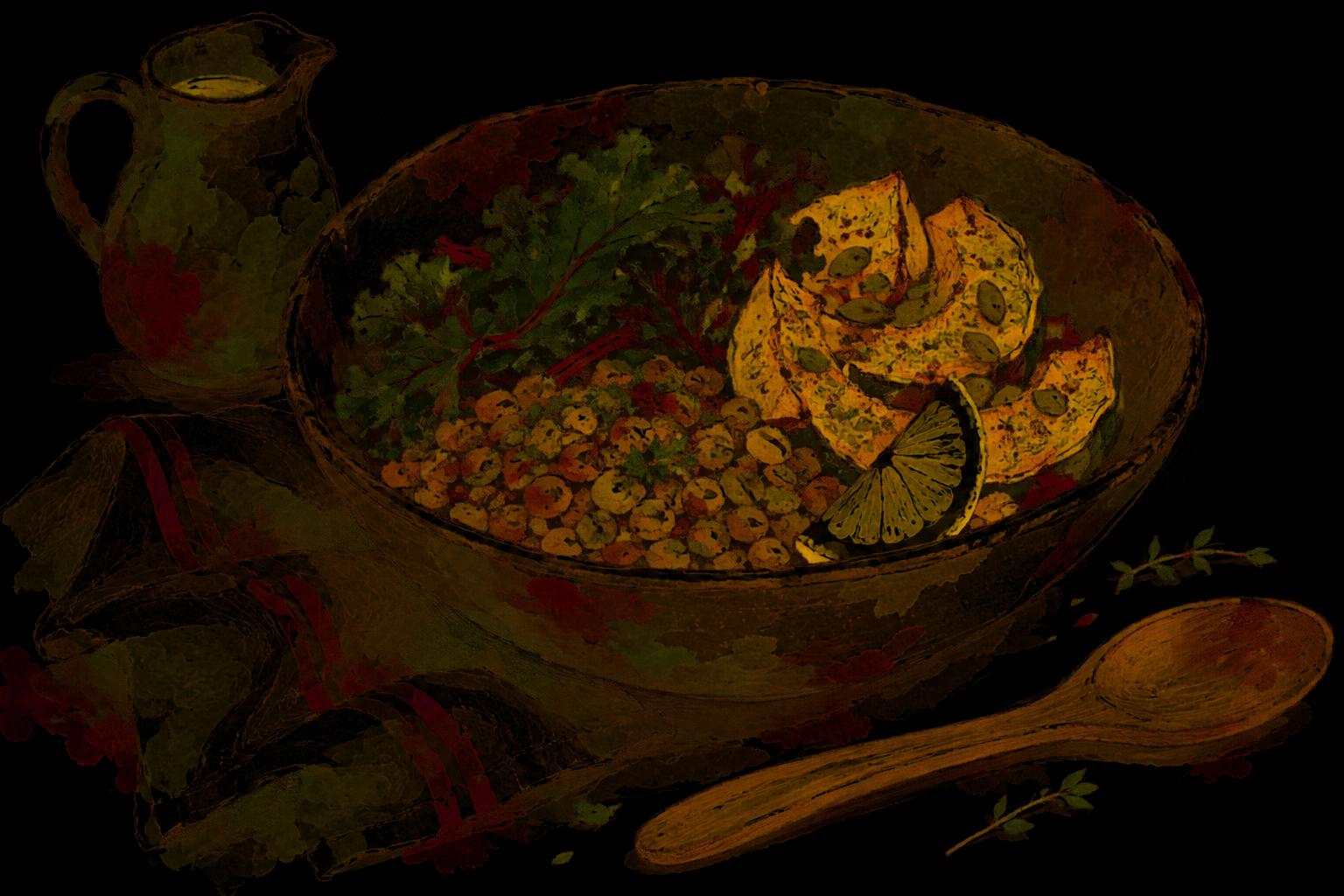
To cook chickpeas from dried, soak them overnight in plenty of cold water, drain and rinse them, cover them with about two inches (5 cm) of fresh water, and simmer gently for roughly 1½ to 2 hours, until they are soft and creamy right through. Times vary a lot with the age of the chickpeas, so judge by tasting, not the clock. A cup of dried chickpeas gives you enough for a bowl of hummus, a tray to roast and a pot of stew.
I am a wellness coach, and I have eaten whole-food, plant-based for about thirty years, with no meat or dairy. Food is Right Feeding, the second petal of the Starflower, the method in my book, Lifetime Body by Design. Each petal is a Right Action, one of the fundamentals of health made into a daily habit. I wrote a general guide on how to cook dried beans, with a table of times for every common bean and the safety step that red kidney beans need. This piece is only about chickpeas, because they behave a little differently, and because a full pot of them always raises the next question: what do I do with them now?
Chickpeas and garbanzo beans: the same thing
Chickpeas and garbanzo beans are one food under two names. "Garbanzo" is the Spanish name and tends to appear on labels in the United States. You will also see them called ceci in Italian recipes and chana in Indian ones. Whichever name is on the bag, the cooking is the same.
There are two main kinds. The large, pale ones are the usual chickpea in North American and European stores. The smaller, darker ones (often sold as kala chana or desi chickpeas) have a firmer skin and can take longer to cook. Everything below is written for the large pale kind.
How to soak chickpeas
Chickpeas are hard and dense, and soaking makes a real difference to how evenly they cook.
- Pick them over and rinse. Look for small stones or shriveled peas, then rinse them in a sieve.
- Use plenty of water. Cover them with about three times their volume of cold water. They swell to more than double their size, and a bowl that looked generous at night can be dry by morning.
- Leave them eight to twelve hours. Overnight is easiest. In a warm kitchen, soak them in the fridge.
- A pinch of baking soda is optional. Many cooks add about a quarter teaspoon to the soaking water to help soften the skins, which is useful if you want very smooth hummus. Rinse the chickpeas well afterward. I would not add it to the cooking water as well, as it can make them mushy and give a soapy taste.
- Drain and rinse. Always throw the soaking water away and cook in fresh water.
If you forgot to soak them, the quick soak works well enough: cover the chickpeas with water, boil them for two or three minutes, turn off the heat, cover the pot and leave them for an hour, then drain and cook as usual.
How long to cook chickpeas
After soaking, this is the plain stovetop method.
- Cover with fresh water. About two inches (5 cm) above the chickpeas, or roughly four cups of water per cup of dried chickpeas.
- Bring to a boil, then turn it right down. Skim off the foam that rises in the first few minutes.
- Simmer gently, lid half on. A lazy bubble, not a rolling boil, which can break the skins. Top up the water if it drops below the chickpeas.
- Add flavor if you like. A bay leaf, a halved onion and a couple of garlic cloves in the pot. Add salt in the last half hour.
- Start tasting at an hour. Most soaked chickpeas take somewhere between 1½ and 2 hours. Very old ones can take longer.
How to tell they are done: squeeze one between your finger and thumb. It should crush easily into a smooth paste with no chalky, grainy center. Taste a few, not one. For hummus, cook them a little past that point, until they are almost falling apart.
A pressure cooker or electric multicooker cuts the time to a fraction. Follow the times in its own manual for soaked or unsoaked chickpeas, and let the pressure come down naturally so they do not split.
Never eat dried chickpeas raw or half cooked. Cook them until they are fully soft.
How many cooked chickpeas you get, and how to store them
A cup of dried chickpeas (about 200 g) makes roughly two and a half to three cups cooked. A standard can holds about one and a half cups drained, so one cup dried gives you about two cans' worth.
Let them cool in their cooking liquid, which keeps them plump. Keep them covered in the fridge for a few days, or freeze them in can-sized portions with a little of the liquid. They freeze well for months, and a tub from the freezer stands in for a can in any recipe.
Keep the liquid. Chickpea cooking water is thick and savory, and it is the secret to the hummus below.
Hummus without much oil
Shop hummus often has seed oil in it, and many homemade recipes pour in a lot of olive oil. You do not need it. The cooking liquid and tahini give you all the creaminess.
- 1½ cups (about 250 g) well-cooked chickpeas, still warm if you can
- 2 tablespoons tahini
- juice of 1 lemon
- 1 small clove garlic
- ½ teaspoon ground cumin and a pinch of salt
- 4 to 6 tablespoons of the chickpea cooking liquid, or cold water
Blend everything except the liquid, then add the liquid a spoonful at a time with the motor running until it is as smooth and loose as you like. It thickens as it cools. A small drizzle of extra virgin olive oil on top is a pleasure, not a requirement. For the smoothest result, use very soft chickpeas and slip off a few skins.
Roasted chickpeas, no oil needed
Roasted chickpeas are a good snack, and I gave a quick canned version in healthy snack ideas. From dried, they are even better, because home-cooked chickpeas are firmer.
Dry the cooked chickpeas thoroughly on a clean towel: this matters more than anything else. Spread them in a single layer on a tray lined with baking paper and roast at about 400°F (200°C) for 30 to 40 minutes, shaking the tray every ten minutes, until they are crisp and rattle. Season them as soon as they come out, while they are still warm: a squeeze of lemon or a few drops of soy sauce, then smoked paprika, cumin or garlic powder. They are crunchiest the same day.
A simple chickpea and greens stew
This is the dish a pot of chickpeas most often becomes.
Soften a chopped onion in a few tablespoons of water or stock for five minutes, add two cloves of garlic, a teaspoon each of cumin and smoked paprika, and a pinch of chili. Stir in a can of chopped tomatoes, three cups of cooked chickpeas and a cup of their cooking liquid. Simmer for 20 minutes. Fold in two big handfuls of spinach or chopped kale until they wilt, then finish with lemon juice and salt. Serve it with brown rice, a baked potato or a slice of whole-grain bread.
It keeps well for several days and tastes better on the second. That is the quiet strength of cooking a pot of beans: one session on a slow afternoon, and three meals are already half made. I have written about that unhurried way of doing things in slow living, and about how small, repeated tasks become habits in how to build good habits.
Soak at night, simmer in the afternoon, eat well all week.
A few questions people ask me
Can you cook chickpeas without soaking them? Yes, but they take much longer on the stove, often 2½ to 3 hours or more, and they cook less evenly. A pressure cooker handles unsoaked chickpeas well; follow its manual.
Why are my chickpeas still hard? Usually they are old, the water is very hard, or something acidic like tomato or lemon went in too early. Keep simmering and keep them covered. Buy dried chickpeas from a shop with a quick turnover.
Are canned chickpeas just as good? For most dishes, yes. They are already cooked and ready to use. Choose cans with no added sugar, and rinse them if they are salty. Cooking from dried costs less and gives you the cooking liquid.
How do I stop chickpeas giving me gas? Raise beans slowly over a few weeks so your body gets used to the extra fiber, cook them until fully soft, and throw away the soaking water. If you have ongoing digestive trouble, talk to your doctor.
There is more from the kitchen under Whole food nutrition, and if you are new to this way of eating, begin with how to go plant-based. For guided sessions across the whole method, see Lifetime Body by Design.
This article is general information and one person's experience. It is not medical or dietary advice. Please speak to your doctor or a registered dietitian before making significant changes to how you eat.
Carol Pocock is a wellness coach, yoga teacher and the author of Lifetime Body by Design. Guided sessions are at Lifetime Body by Design. More about Carol.

