Whole food nutrition
How to go plant-based: a gentle start with whole food
By Carol Pocock10 minute read
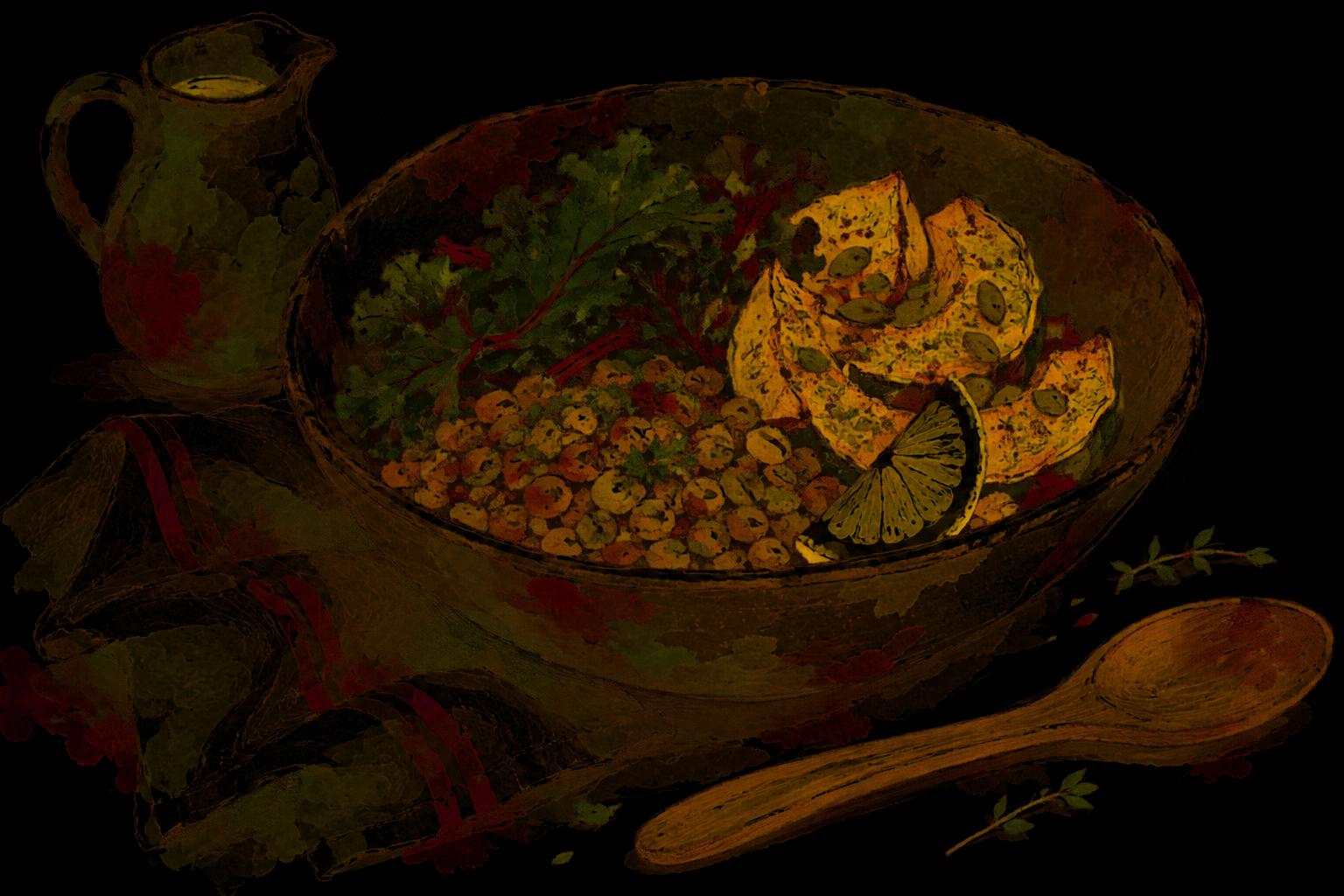
If you want to know how to go vegan or plant-based without making yourself miserable, change one meal at a time, build those meals from whole foods rather than packets, and give yourself a month or two instead of a weekend. Plan for protein at every meal and for vitamin B12 from the start, and the rest gets easier as you go. Talk to your doctor first if you take regular medication or manage a health condition.
I am a wellness coach, and I have eaten whole-food, plant-based for about thirty years, with no meat or dairy. Before that I spent years struggling with my weight and going round and round with diets that never lasted. I am not here to recruit you. What follows is what I would tell a friend who asked me over a cup of tea how to begin.
Right Feeding: the second petal of the Starflower
My method, Lifetime Body by Design, is drawn as a flower I call the Starflower. Each of its seven petals is a "Right Action", one part of a healthy life you can work on, and the stem that holds them up is Right Habits. Right Feeding is the second petal. It is simply about what we put on our plates, day after day, for the rest of our lives.
It sits after Right Thinking on the flower, and I think that order makes sense. Most of us already know roughly what we should eat. What trips us up is the thinking around it: the all-or-nothing rules, the guilt and the "starting again on Monday". So this petal is less about a perfect menu and more about building an ordinary way of eating that you can keep. The earlier you start, the better, and it is never too late.
Whole-food, plant-based is not the same as vegan
The words get used loosely, so let me be plain about what I mean.
A vegan diet leaves out all animal foods: meat, fish, dairy, eggs and usually honey. That says what is missing. It does not say what is on the plate. A vegan diet can be mostly white bread, chips, candy, sugary cereal and processed "fake meat", and plenty of them are.
A whole-food, plant-based diet is defined by what is in it. In my words, it leaves out animal-derived food and puts nutrient-dense, minimally processed whole foods first. The base is vegetables, fruit, beans, lentils, whole grains, nuts and seeds, eaten in a form you would recognize from a field or a tree.
Some people go fully vegan. Some eat a whole food plant based diet most of the week and are relaxed about the rest. Both are real, and you are allowed to find your own place on that line. I would only gently separate the food from the identity. You do not need a new label, a new set of friends or an opinion about anyone else's dinner. You need a few meals you like.
It is not what you give up that changes your health. It is what you eat, again and again.
What are whole foods?
Whole foods are foods that are still close to how they grew, with little or nothing added or taken away. An apple is a whole food. Apple juice has lost the fiber, and an apple pastry has gained sugar, white flour and oil.
A quick way to tell: if it has one ingredient, or a short list you could make in your own kitchen, it is probably a whole food. Oats, brown rice, lentils, chickpeas, frozen peas, a bag of spinach, walnuts and canned tomatoes all count. Tofu and plain soy milk are processed a little, and both are fine.
What I would leave out, or keep to a minimum, is the heavily processed end: refined sugar, white flour, sweet drinks, most packaged snacks, and the processed plant-based meats that have made "vegan" so easy and so often so poor. A little extra virgin olive oil is fine; keep added salt low.
How to eat more whole foods without trying to be perfect
The trick I come back to is crowding out. Rather than staring at the list of things you are giving up, you add so much good food that there is less room for the rest.
- Have a big salad every day. A large bowl of greens, raw and cooked vegetables, beans and a few seeds can be lunch on its own. Wash and chop the vegetables ahead so it takes minutes.
- Make soup from whatever is left. Vegetables that are starting to soften go into a pot with lentils or beans. Nothing is wasted, and lunch for three days is done.
- Count plants, not grams. Try to eat a wide range of different plants over a week: different beans, grains, greens, herbs, nuts and fruit. Variety looks after itself when you count.
- Clear the cupboards slowly. As the things you used to snack on run out, do not replace them. Keep fruit and nuts where the cookies were.
- Keep a few treats you love. A square of dark chocolate or a bowl of berries is still whole food, and it stops the plan feeling like a set of rules.
If evening grazing is your hardest moment, I wrote about it in how to stop snacking.
The nutrients worth watching
A well-planned plant-based diet can give you what you need. The NHS says much the same about a vegan diet: with good planning, you can get the nutrients your body needs. "Well-planned" is the important part. Here is the short list I keep in my own head. It is general information, not a prescription.
| Nutrient | Where it comes from on a plant-based plate | Worth knowing |
|---|---|---|
| Protein | Lentils, beans, chickpeas, tofu, tempeh, soy milk, nuts, seeds | Have some at every meal, not only at dinner |
| Vitamin B12 | A supplement, or fortified foods such as some plant milks and nutritional yeast | Not reliably found in plant foods, so treat this one as essential |
| Calcium | Calcium-set tofu, fortified plant milk, kale, tahini, almonds | Check the label on your plant milk; not all are fortified |
| Vitamin D | Sunlight, fortified foods, a supplement | Many people are advised to consider a supplement in winter, whatever they eat |
| Omega-3 | Ground flaxseed, chia, walnuts; algae oil for the long-chain kind | Ask your doctor whether an algae-based supplement makes sense for you |
| Iron | Lentils, beans, tofu, dark greens, pumpkin seeds | Vitamin C at the same meal, such as a squeeze of lemon, may help absorption |
| Iodine | Iodized salt, some fortified plant milks, a supplement | Easy to miss once dairy and fish are gone |
If that table makes you want a blood test, good. A baseline before you start and a check a few months in is a sensible, unglamorous idea.
A short aside on protein for older readers: many of us need more as we age, not less, just as appetite tends to get smaller. One international expert group, the PROT-AGE study group in 2013, suggested healthy adults over 65 aim for at least 1.0 to 1.2 grams of protein per kilogram of body weight a day. Your own number is a question for your doctor or a dietitian. For easy ideas, see my high-protein vegan breakfast ideas, and for the change of life in particular, a plant-based diet for menopause.
How to start a plant-based diet: a gentle first month
Most guides ask you to clear out the fridge on day one. I would do the opposite. One change at a time is how a habit takes root, and it is gentler on digestion, which needs a few weeks to get used to more beans and more fiber.
- Week one: change breakfast only. Oatmeal with ground flaxseed, nuts and fruit, or whole-grain toast with peanut butter and banana. Leave the rest of the day alone.
- Week two: add three plant-based lunches. A big pot of lentil soup that you make once and eat three times is the whole plan. Add the daily salad if you like it.
- Week three: two dinners a week. Choose dishes that were nearly plant-based already: a bean chili, a vegetable curry with chickpeas, or pasta with a good tomato sauce and white beans stirred through.
- Week four: look at what is left. By now you will know which animal foods you miss and which you have not thought about. Decide what stays. Start the B12 if you have not already.
Go slower if you like. Nobody is timing you. If you want the method behind this pace, I wrote about it in how to build good habits, and a vegan grocery list will make the shopping simpler.
What a day can look like
To make it concrete, here is an example day of the kind I would suggest to someone starting out. It is an example, not a plan to copy.
- Breakfast: oatmeal made with fortified soy milk, a spoon of ground flaxseed, walnuts and stewed apple.
- Lunch: a big salad of greens, roasted vegetables, chickpeas and pumpkin seeds, with a lemon and tahini dressing.
- Afternoon: a handful of almonds and a piece of fruit.
- Dinner: lentil and vegetable soup, then roasted squash and greens over brown rice.
There is protein at every meal, plenty of color and nothing that needs a specialty store.
The honest downsides
I would rather you hear these from someone who lives with them.
Eating out takes a little more planning, though far less than it used to. Family meals can need a conversation, and it helps to offer to cook. The first few weeks of more fiber can be windy. You will need to take a supplement or two, which some people dislike on principle. And there is more chopping. Some weeks the hardest part is not the food at all, but the hour in the kitchen.
None of this is a reason not to do it. For me those are small prices. They are still prices.
A few questions people ask me
Is a plant-based diet for beginners safe? For most people, a well-planned plant-based diet can meet their needs at any age. Plan for protein, B12, calcium, vitamin D, iodine and omega-3, and if you have a health condition, are pregnant or take regular medication, make the change with your doctor's knowledge. Some medicines interact with big shifts in diet; leafy greens and blood thinners is the well-known example.
Do I have to give up everything at once? Not at all. Eating mostly plants is a perfectly good place to stop, and a perfectly good place to stay. Vegan for beginners does not have to mean vegan by Friday.
Will I lose weight? Some people do when they swap processed food for whole food, and some do not. I would not make it the reason. I spent years dieting for the scale. What lasted was eating this way because of how it made me feel each day.
What is the hardest part? Usually the first month, before you have a handful of meals you can make without thinking. Once you have five or six, the whole thing becomes ordinary.
More on the second petal is under Whole food nutrition, starting with the vegan grocery list. For how food fits with the other petals, see my book, Lifetime Body by Design.
This article is general information and one person's experience. It is not medical or dietary advice. Please speak to your doctor or a registered dietitian before making significant changes to how you eat, especially if you have a health condition or take regular medication.
Carol Pocock is a wellness coach, yoga teacher and the author of Lifetime Body by Design. Guided sessions are at Lifetime Body by Design. More about Carol.

