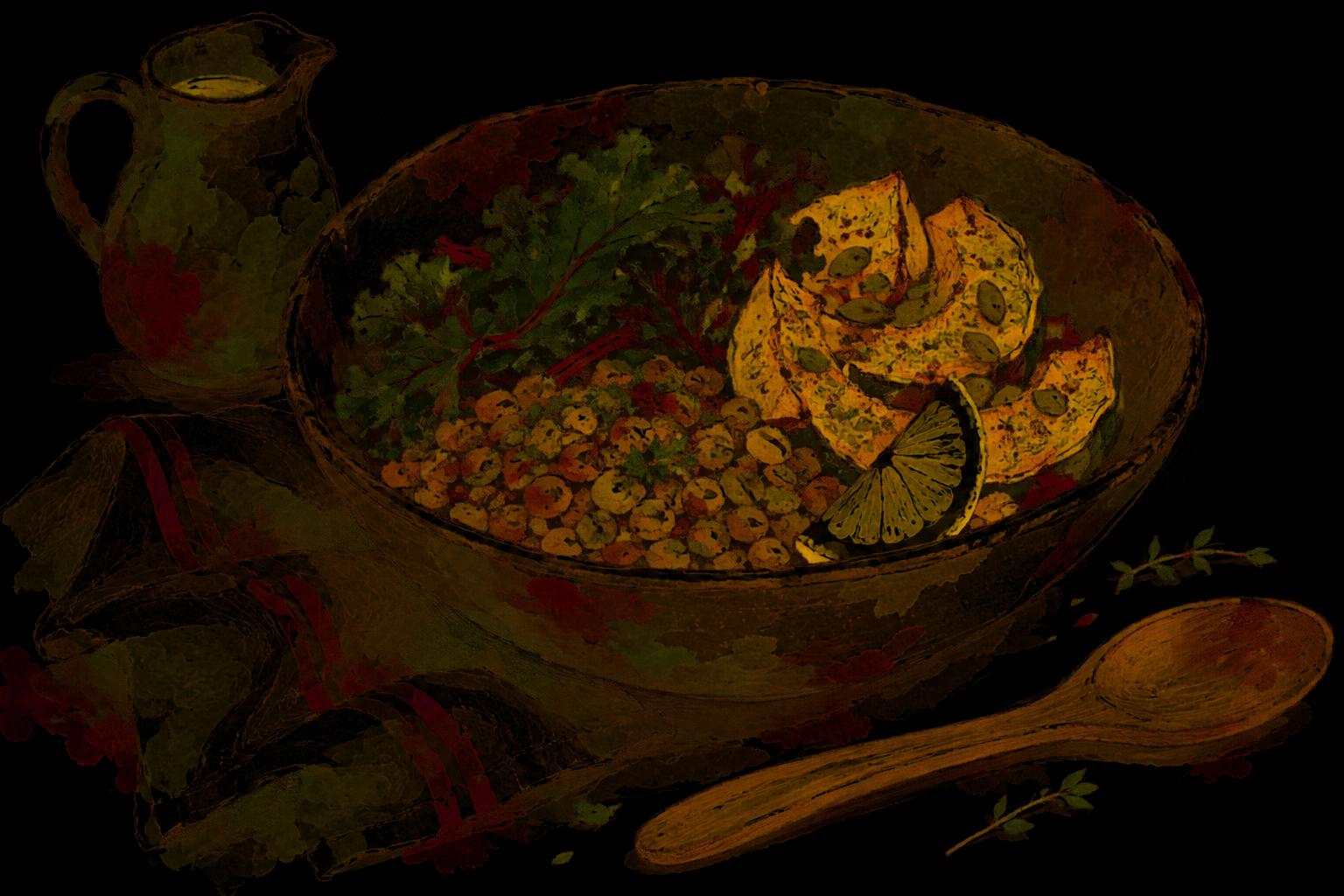
To cook pinto beans from dried, soak them overnight, drain them, cover them with about two inches (5 cm) of fresh water and simmer gently until they are creamy right through, usually about one to one and a half hours after soaking, and closer to two hours or more if you skip the soak. Season the pot with onion, garlic and cumin, add salt toward the end, and let the beans cool in their liquid. The rest of this piece is how to make them taste good.
I am a wellness coach, and I have eaten whole-food, plant-based for about thirty years, with no meat or dairy, so a pot of beans is an ordinary weeknight in my kitchen. In my book, Lifetime Body by Design, food is Right Feeding, the second petal of the Starflower, the method the whole book is built on. I have already written the general method for every kind of bean, with a table of water and times by type and the safety step for red kidney beans, in how to cook dried beans. Start there if you are new to cooking from a bag. This piece is pinto beans only.
Why pinto beans are worth a pot of their own
Pinto beans are the speckled, pinkish-beige ones, and the speckles fade to a soft brown as they cook. They are creamier than black beans and they break down more readily, which is exactly why they are the bean for mashing. Their flavor is mild, so they carry whatever you put in the pot.
They are also cheap, and good value in any shop. A one-pound bag (about 450 g) makes roughly as many beans as four cans, and it keeps in the cupboard for months. Watch the age: an old bag takes much longer to soften, so use the oldest one first.
Do you need to soak pinto beans?
No, you do not have to. Pinto beans will cook from dry. I still soak mine, and it is how I would teach it.
- Soaked overnight, they cook faster and more evenly, with fewer split skins and fewer chalky centers.
- Quick soaked, they come close. Cover them with water, bring it to a boil for two or three minutes, then take the pot off the heat, put the lid on and leave it for an hour.
- Not soaked, they need more time and more water, and you have to keep checking that they stay covered.
Whichever you choose, pour the soaking water away and cook the beans in fresh water. And whatever the bean, never eat dried beans that are undercooked. Health Canada's guidance on lectins in legumes gives its strictest advice for red kidney beans, and also says that preparing other dried legumes properly can reduce the risk of a foodborne illness. Pinto beans are not the bean it singles out, but soft right through is the rule for every pot. The same page warns that slow cookers and crock pots do not get hot enough to destroy those lectins in dry red kidney beans, so if you like to finish beans in a slow cooker, I would bring them to a full, rolling boil on the stove first.
How long to cook pinto beans
These times are approximate and they vary with the age of the beans, the hardness of your water and how gently the pot is simmering.
| Starting point | Approximate time on the stove | What to watch for |
|---|---|---|
| Soaked overnight | 1 to 1½ hours | Start tasting at about 50 minutes |
| Quick soaked | 1¼ to 1¾ hours | A few more split skins |
| Not soaked | 2 to 3 hours, sometimes longer | Top up the water so they stay covered |
Keep the water barely moving, with the lid set half on. A hard boil after the first few minutes breaks the skins. To check, taste five beans from different parts of the pot: when all five are creamy with no grain in the middle, they are done. A pressure cooker is much quicker; follow the instructions that came with yours.
A cup of dried pinto beans (about 190 g) makes roughly two and a half to three cups cooked.
How to season a pot of pinto beans
Plain beans in plain water taste of very little. For a pot made with 1 pound (about 450 g) of dried beans, this is what goes in:
- One onion, halved, or chopped if you plan to mash the beans later.
- Four or five cloves of garlic, lightly crushed.
- Two bay leaves.
- Two teaspoons of ground cumin and a teaspoon of dried oregano.
- A dried chili, left whole, or a pinch of chili flakes.
- Salt, about a teaspoon and a half, in the last half hour once the beans are starting to soften. Many cooks salt earlier and find no harm.
For more depth, soften the chopped onion and garlic in a tablespoon of extra virgin olive oil in the pot before the beans and water go in, or skip the oil and cook them in a splash of water. A spoon of smoked paprika adds a warm, smoky note. Leave tomatoes, lime and vinegar until the beans are soft, because acid added early can keep them firm.
A mild bean is a patient one. It waits for you to season it.
When they are done, let the beans cool in their liquid, then cover them and put them in the fridge. Eat them within a few days, or freeze them in can-sized portions with some of the liquid, so a tub from the freezer replaces a can in any recipe.
Three ways to use a pot of pinto beans
1. Refried beans with no lard
Traditional refried beans are often cooked in lard. You do not need it. The creaminess comes from the beans and their own cooking liquid, and that liquid is the reason to cook from dried.
For four servings:
- 3 cups (about 500 g) cooked pinto beans, drained, with 1 cup (240 ml) of their cooking liquid kept back
- 1 small onion, finely chopped
- 2 cloves of garlic, finely chopped
- 1 teaspoon ground cumin and ½ teaspoon smoked paprika
- 1 teaspoon extra virgin olive oil, or a splash of water
- Salt to taste and a squeeze of lime
Soften the onion in the oil or water in a wide pan over medium heat for about five to eight minutes, then add the garlic and spices for one more minute. Tip in the beans and half the liquid. Mash them in the pan with a potato masher or the back of a fork, adding more liquid until they are as smooth or as rough as you like. Let them bubble gently for five minutes, stirring so they do not catch, then season with salt and lime. They thicken as they cool, so loosen leftovers with a spoon of water.
2. Pinto bean tacos
Warm corn tortillas in a dry pan, spread on the refried beans or spoon on whole seasoned beans, then add shredded cabbage with lime, salsa, sliced avocado and cilantro. I wrote three other fillings, with the toppings and tortilla habits that make taco night easy, in vegan tacos.
3. A pinto bean bowl
A ladle of warm beans with some of their liquid, over brown rice, with roasted squash or sweet potato, a pile of greens and a spoon of salsa. It is a whole meal, ready in the time it takes to warm the beans.
Having beans already cooked is the whole trick. When good food is waiting in the fridge, choosing it takes no willpower, which is the idea behind most of what I teach in how to build good habits: make the right thing the easy thing. A pot of beans also asks very little of you once it is simmering. That leaves time for a walk while it cooks, and I wrote about why walking matters to me in walking for exercise.
A few questions people ask me
How long do you cook pinto beans? After an overnight soak, about one to one and a half hours at a gentle simmer. Without soaking, two hours or more. Taste five beans rather than trust the clock.
Why are my pinto beans still hard? The beans may be old, your water may be very hard, or something acidic went in too early. Keep them covered and keep simmering. Very old beans sometimes never fully soften, and that is not your fault.
Can I make refried beans from canned pinto beans? Yes. Drain and rinse two cans, and use water or a little vegetable stock in place of the cooking liquid. They are a little less creamy, and still good.
Are pinto beans and black beans interchangeable? Mostly, yes. Pinto beans mash more easily; black beans hold their shape. I wrote about those in how to cook black beans.
There is more from my kitchen under Whole food nutrition, and if you are just starting out, begin with how to go plant-based. For guided sessions across the whole method, see Lifetime Body by Design.
This article is general information and one person's experience. It is not medical or dietary advice. Please speak to your doctor or a registered dietitian before making significant changes to how you eat.
Carol Pocock is a wellness coach, yoga teacher and the author of Lifetime Body by Design. Guided sessions are at Lifetime Body by Design. More about Carol.

