Plant-based living
My vegan grocery list and pantry staples
By Carol Pocock7 minute read
Starter article: draft for Carol to read, correct and approve
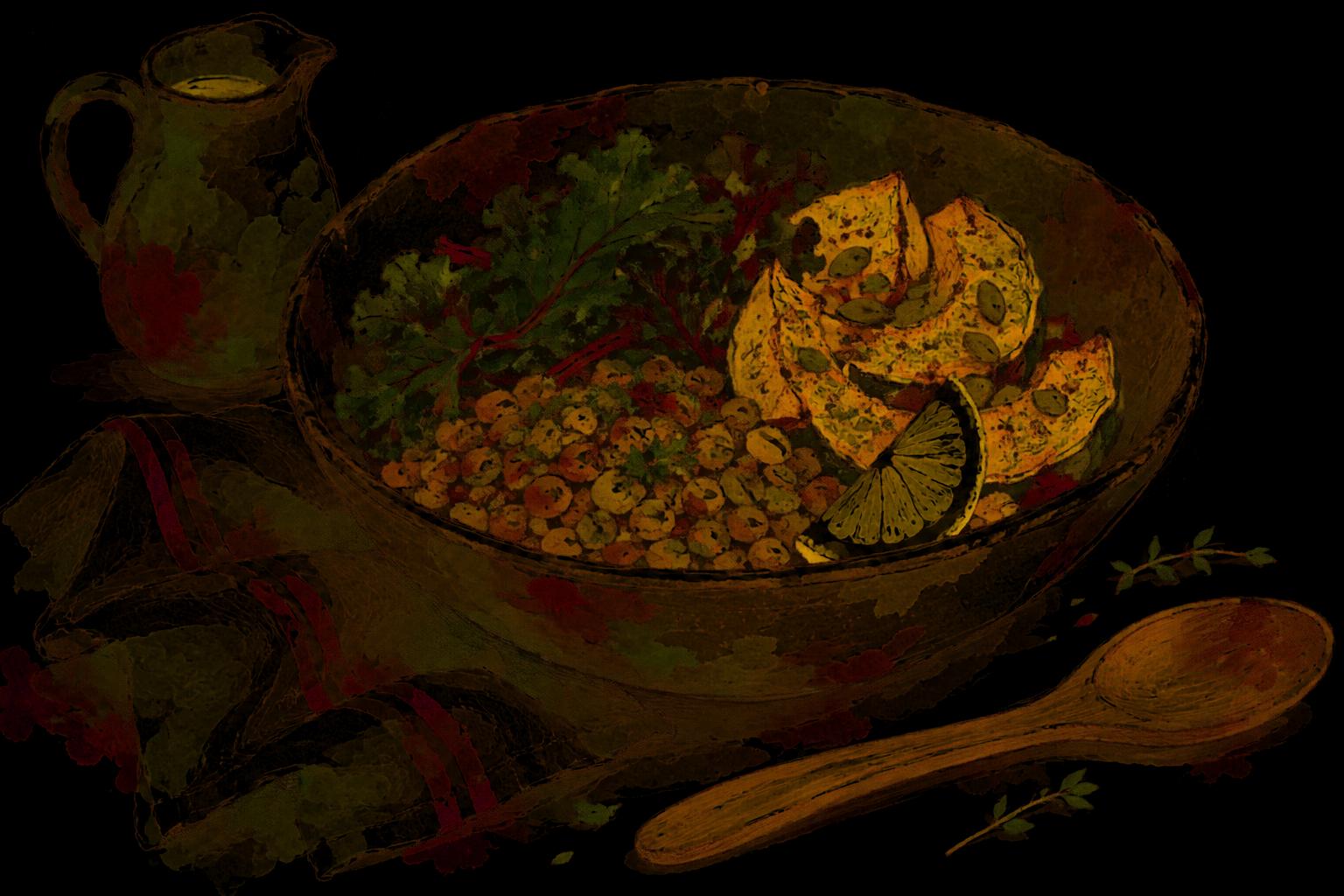
A good vegan grocery list is shorter than you think. Mine has about twenty fresh things I buy most weeks, a cupboard of dried and tinned staples that I top up once a month, and a freezer drawer that rescues me when the fridge is empty. Below is the whole list, set out in the order I walk round a shop, for someone cooking for one or two.
I am writing it because most of the lists I find online run to a hundred foods and read as if they were written for a family of six with a large kitchen. I cook plant-based meals every day, mostly simple ones, and I would rather give you the list I actually use than one designed to look complete.
How I think about a plant-based grocery list
Three ideas keep my shopping small and my meals varied.
- Fresh is for the week, the cupboard is for the month. I buy vegetables and fruit in amounts I will eat in five or six days. Everything that keeps goes on a separate, slower list.
- Protein first. Every meal I plan starts with beans, lentils, tofu or similar, and the vegetables go round it. Getting enough protein matters more as we get older, and it is the thing a plant-based shop most easily forgets.
- Buy for meals, not for virtue. If I will not cook it this week, I do not buy it, however healthy it looks.
The weekly vegan shopping list
This is what goes in the basket most weeks, in the order the shop puts it.
Fruit and vegetables
- Onions and garlic, always
- Carrots and celery, for soups and stews
- One squash or a few sweet potatoes, for roasting
- Leafy greens: a bag of spinach and one bunch of kale or cabbage
- Tomatoes, or a box of small ones in winter
- Peppers or courgettes, whichever looks better
- Mushrooms
- Lemons, two or three, because a squeeze lifts nearly everything
- Fresh ginger and a bunch of parsley or coriander
- Bananas, apples and whatever fruit is in season
Bakery
- One good wholegrain loaf, half of which goes straight into the freezer in slices
The chilled aisle
- Firm tofu, ideally calcium-set (it says so on the label)
- Fortified plant milk, soya for the protein, unsweetened
- Plant yoghurt, plain and fortified if I can find it
- Hummus, unless I am making my own that week
- Tempeh, every other week
That is the list. It fits on the back of an envelope, and it is roughly the same every week, which is the point. I change the vegetables with the season and leave the rest alone.
Vegan pantry staples: what lives in my cupboard
The cupboard is what turns a short fresh list into a week of meals. I keep these in, and buy them when they run low rather than every week.
| Staple | What I use it for |
|---|---|
| Red lentils | Soups and dal; they cook in twenty minutes without soaking |
| Green or brown lentils | Stews, salads and a quick shepherd's pie filling |
| Tinned chickpeas | Roasting, curries, hummus, stirring into soup |
| Tinned beans (black, kidney, cannellini) | Chilli, beans on toast, white beans in pasta sauce |
| Tinned tomatoes and passata | The base of half my dinners |
| Porridge oats | Breakfast most days, and thickening soup |
| Brown rice and wholewheat pasta | Something to put under everything else |
| Peanut butter and tahini | Toast, sauces and dressings |
| Nuts and seeds: walnuts, almonds, pumpkin seeds, ground flaxseed | Porridge, salads and snacks |
| Nutritional yeast | A cheesy flavour on pasta and in sauces; some is fortified with B12 |
| Vegetable stock | Soups and cooking grains |
| Soy sauce and miso | Saltiness and depth |
| Spices: cumin, smoked paprika, turmeric, chilli, curry powder | Making beans taste of something |
| Olive oil and a neutral oil | Roasting and frying |
| Vinegar (cider or red wine) | Dressings and a sharp finish to stews |
| Iodised salt | Ordinary cooking, and an easy source of iodine |
If you are starting from nothing, you do not need all of this on day one. Lentils, a few tins of beans and tomatoes, oats, rice, peanut butter and three spices will make a surprising number of meals. Add the rest as recipes ask for them.
What is in the freezer
The freezer is my insurance. When I have not shopped, or I am tired, this is dinner.
- Frozen peas and edamame beans, for protein in a hurry
- Frozen spinach, in portions, for soups and curries
- Frozen berries, for porridge
- Mixed frozen vegetables, which I am not too proud to use
- Sliced wholegrain bread
- Portions of soup, stew or chilli I made a double batch of earlier in the week
That last line does most of the work. Cooking for one or two, I almost always make four portions and freeze two. It is the single habit that has made plant-based eating easiest for me.
A word on B12 and fortified foods
Vitamin B12 is not reliably found in plant foods, so anyone eating fully plant-based needs it from a supplement or fortified foods. This is why the plant milk on my list is fortified, and why I check labels on yoghurt and nutritional yeast. Calcium, vitamin D and iodine are also worth thinking about once dairy is gone. Please speak to your doctor or a dietitian about what you personally need, especially if you take regular medication. I wrote more about the nutrients in going plant-based after 60.
Things I stopped buying
A list is shaped as much by what is missing from it. These dropped off mine over time.
- Ready-made vegan meats and cheeses, most weeks. They cost a great deal, and I found I preferred beans and lentils cooked well. I still buy one now and then as a treat.
- Large bags of fresh salad. For one or two, half of it went to the compost. A head of lettuce or a bag of spinach lasts longer.
- Specialist superfood powders. I could never tell what they were doing, and the money buys a lot of lentils.
- Snack bars. A handful of nuts and an apple do the same job.
- Too many jars of sauce. A tin of tomatoes, garlic and a spice or two is quicker than I expected and tastes better.
The shortest list is the one you will keep using.
A few questions people ask me
What should a beginner put on a vegan grocery list? Start with what you would eat anyway, then add the protein. A bag of red lentils, a few tins of chickpeas and beans, firm tofu, fortified soya milk, oats, frozen peas and your usual vegetables is a solid first shop. For morning ideas, see my high-protein vegan breakfasts.
Is a plant-based grocery list more expensive? It does not need to be. Dried lentils, tinned beans, oats and seasonal vegetables are among the cheapest foods in any shop. The costs creep in through ready-made substitutes.
How do I stop fresh food going to waste when cooking for one? Buy fresh food for five or six days, not seven, lean on the freezer and cook in double batches. Frozen vegetables are not a failure.
What are the most important vegan pantry staples? If I could keep only five: red lentils, tinned chickpeas, tinned tomatoes, oats and peanut butter.
There is more from my kitchen under Plant-based living, including a piece on a plant-based diet for menopause. If you are just starting out, begin with going plant-based after 60.
This article is general information and one person's experience. It is not medical or dietary advice. Please speak to your doctor or a registered dietitian before making significant changes to how you eat.
Carol Pocock writes about living well after 60 and teaches yoga, meditation and breathwork at Lifetime Body by Design. More about Carol.