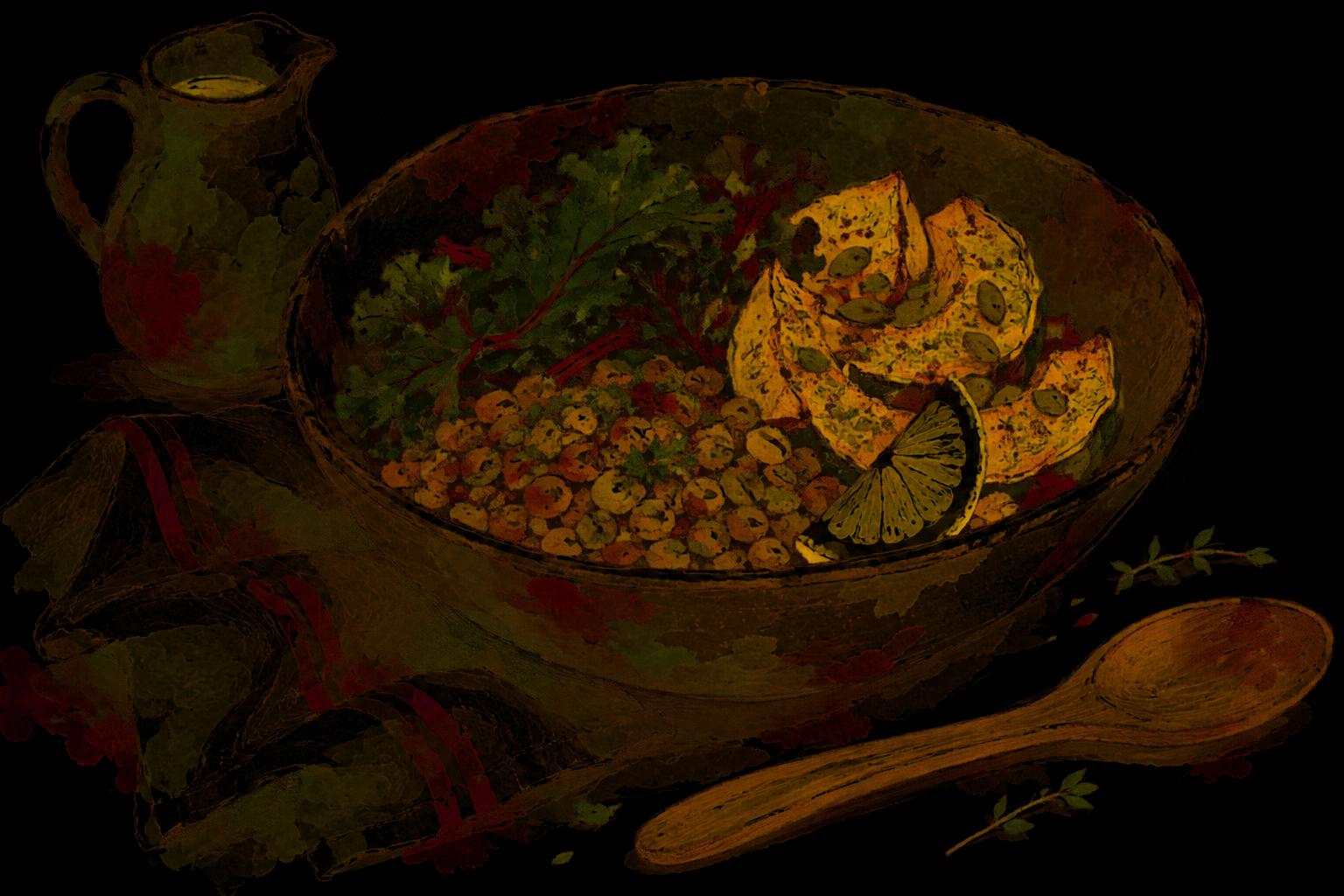
The easiest high protein vegan meals start with the protein and build the plate around it: a pot of lentils, a can of beans, a block of tofu or tempeh, then whole grains and vegetables to go with it. The eight lunches and dinners below come to somewhere between about 17 and 34 grams of protein a serving, by ordinary label values, and most of them cook in one pot and feed you more than once. The figures are approximate, as the table explains.
I am a wellness coach, and I have eaten whole-food, plant-based for about thirty years, with no meat or dairy. That means no animal foods, and also mostly whole, minimally processed food with no added sugar, so a packet of vegan sausages does not really count. Food is Right Feeding, the second petal of the Starflower, the method in my book, Lifetime Body by Design. Each petal is a "Right Action", one part of a healthy life you can practice until it becomes ordinary. I have covered mornings separately in high-protein vegan breakfasts. This piece is lunch and dinner.
Why I build every meal around protein
The plant-based meal that goes wrong is usually the one with nothing much in it: pasta with tomato sauce, a plate of roasted vegetables, a salad of leaves. It tastes fine and leaves you hungry an hour later.
So I plan in this order: the protein first, then a whole grain or a potato, then as many vegetables as will fit, then lemon, garlic, spices or tahini for flavor. Seeds go on top when there is room.
How much protein you need depends on your size, age and health, and is a question for your doctor or a dietitian. I cover the general picture, with B12 and the other nutrients worth watching, in how to go plant-based.
Eight high protein vegan meals I make
These are not formal recipes, just how I would describe them to you in my kitchen. Most make about four portions, which is the point for one or two people.
1. Red lentil dal with spinach and brown rice
Red lentils simmered with onion, garlic, ginger, turmeric and cumin until they collapse, about twenty minutes and no soaking. Spinach stirred in at the end, a squeeze of lemon, brown rice underneath. It forgives everything.
2. Chickpea and tomato curry
Onion and garlic softened in a little extra virgin olive oil, curry powder, canned tomatoes, two cans of chickpeas and whatever vegetables need using. Simmer until thick and serve over rice. Better on the second day.
3. Tofu and vegetable stir-fry with edamame
Firm tofu cubed and browned in a hot pan, then vegetables, frozen edamame, garlic, ginger and a splash of soy sauce, over brown rice. About twenty-five minutes, and the most protein of the eight.
4. Black bean chili
Onion, garlic, peppers, smoked paprika, cumin and chili, then black and kidney beans with canned tomatoes, left to bubble slowly. A spoon of pumpkin seeds on top. It freezes well.
5. The big salad with green lentils and seeds
Greens, raw and roasted vegetables, a good scoop of cooked green lentils, pumpkin seeds and a lemon and tahini dressing. With the lentils already cooked, ten minutes.
6. Tempeh and roasted vegetable tray with quinoa
Sliced tempeh tossed with soy sauce and garlic, roasted on one tray with squash, red onion and broccoli. Quinoa on the side. People who think they dislike tofu often like tempeh's firm, nutty bite.
7. Whole wheat pasta with white beans and greens
A plain tomato sauce with a can of cannellini beans stirred through and kale wilted in at the end, over whole wheat pasta, with a spoon of nutritional yeast on top. It turns the weakest plant-based dinner into a good one.
8. Split pea and vegetable soup
Dried split peas, carrots, celery, onion and a bay leaf, simmered for about an hour until thick, with a slice of whole-grain bread. Cheap, filling and better each day.
Roughly how much protein is in each one
These are rough ranges, not measurements, so please treat them as approximate. I built them from typical values on ordinary food labels: dried red lentils and split peas at roughly 22 to 24 grams of protein per 100 grams before cooking, cooked green lentils at about 8 or 9 grams per 100 grams, drained canned chickpeas and beans at about 6 to 8 grams per 100 grams, firm tofu at 12 to 15 grams per 100 grams, tempeh at 18 to 20 grams per 100 grams, edamame at about 11 grams per 100 grams, cooked brown rice at about 2.5 to 3 grams per 100 grams, cooked quinoa at about 4 grams per 100 grams, dry whole wheat pasta at 12 to 14 grams per 100 grams, and pumpkin seeds at around 30 grams per 100 grams. I allowed a couple of grams for the vegetables. Products vary, so check your own labels.
| Meal | One serving | Approximate protein |
|---|---|---|
| Red lentil dal | 75 g dry red lentils, 150 g cooked brown rice, spinach | 20 to 25 g |
| Chickpea curry | 200 g drained chickpeas, 150 g cooked rice, vegetables | 17 to 22 g |
| Tofu stir-fry | 150 g firm tofu, 50 g edamame, 150 g cooked rice, vegetables | 28 to 34 g |
| Black bean chili | 200 g drained beans, 1 tbsp pumpkin seeds, tomatoes | 17 to 21 g |
| Big salad | 150 g cooked green lentils, 2 tbsp pumpkin seeds, 1 tbsp tahini | 21 to 25 g |
| Tempeh tray | 100 g tempeh, 150 g cooked quinoa, vegetables | 24 to 28 g |
| Pasta with white beans | 75 g dry whole wheat pasta, 150 g cannellini, 1 tbsp nutritional yeast | 22 to 27 g |
| Split pea soup | 70 g dry split peas, 1 slice whole-grain bread | 19 to 23 g |
A tablespoon here means a level one. Bigger portions change the number.
Vegan meal prep: cook once, eat three times
Cooking for one or two can mean cooking every night or eating the same thing all week. I do neither. On a quiet afternoon I cook a few building blocks:
- One pot of protein. A big pan of dal, chili or soup, or simply a pot of plain lentils or chickpeas.
- One tray of grain. Brown rice or quinoa, cooled and kept in a covered box in the fridge.
- One tray of roasted vegetables. Whatever is in season, with a little extra virgin olive oil.
- One jar of dressing. Tahini, lemon, garlic and water, shaken together.
Then one pot becomes three meals. Plain lentils go into the big salad on Monday, a quick soup on Tuesday and a shepherd's pie filling on Wednesday. A chili is dinner one night, lunch over a baked potato the next, and two portions go into the freezer. This kind of vegan meal prep needs no matching containers and no whole Sunday.
Cool cooked grains and beans quickly and keep them in the fridge for no more than a few days, or freeze them in portions. Rice especially should go into the fridge soon after cooking.
Like any habit, this stuck for me by being small and repeated. I wrote about how that works in how to build good habits.
Cook the protein first, and dinner mostly makes itself.
Easy vegan meals when you have no energy to cook
Some evenings nothing gets chopped. For those, I keep a few easy vegan meals in mind:
- Canned chickpeas warmed with canned tomatoes and frozen spinach.
- Leftover dal on whole-grain toast.
- Frozen edamame and mixed vegetables, stir-fried over rice from the fridge.
- Soup or chili from the freezer.
None is a showpiece, and all of them beat takeout. If the evenings are where your eating tends to drift, my piece on how to stop snacking may help.
A few questions people ask me
Are there vegan dinner ideas with good protein but no soy? Yes. Six of the eight meals above use no soy at all. Lentils, chickpeas, beans and split peas carry the load.
Are high protein plant based meals expensive? They can be the cheapest meals you make. Dried lentils, split peas and canned beans cost very little per serving.
Do I need protein powder? I do not use it, and many people eating a varied whole-food, plant-based diet meet their needs from food. If you are older, unwell or very active, ask your doctor or a registered dietitian.
Will beans upset my stomach? For some people, at first. Start with smaller portions, rinse canned beans well and build up over a few weeks. If you have a digestive condition, check with your doctor first.
There is more from my kitchen under Whole food nutrition, including my vegan grocery list. If you are just starting out, begin with how to go plant-based.
This article is general information and one person's experience. It is not medical or dietary advice. Protein figures are approximate and vary by product. Please speak to your doctor or a registered dietitian before making significant changes to how you eat, especially if you have a health condition or take regular medication.
Carol Pocock is a wellness coach, yoga teacher and the author of Lifetime Body by Design. Guided sessions are at Lifetime Body by Design. More about Carol.

