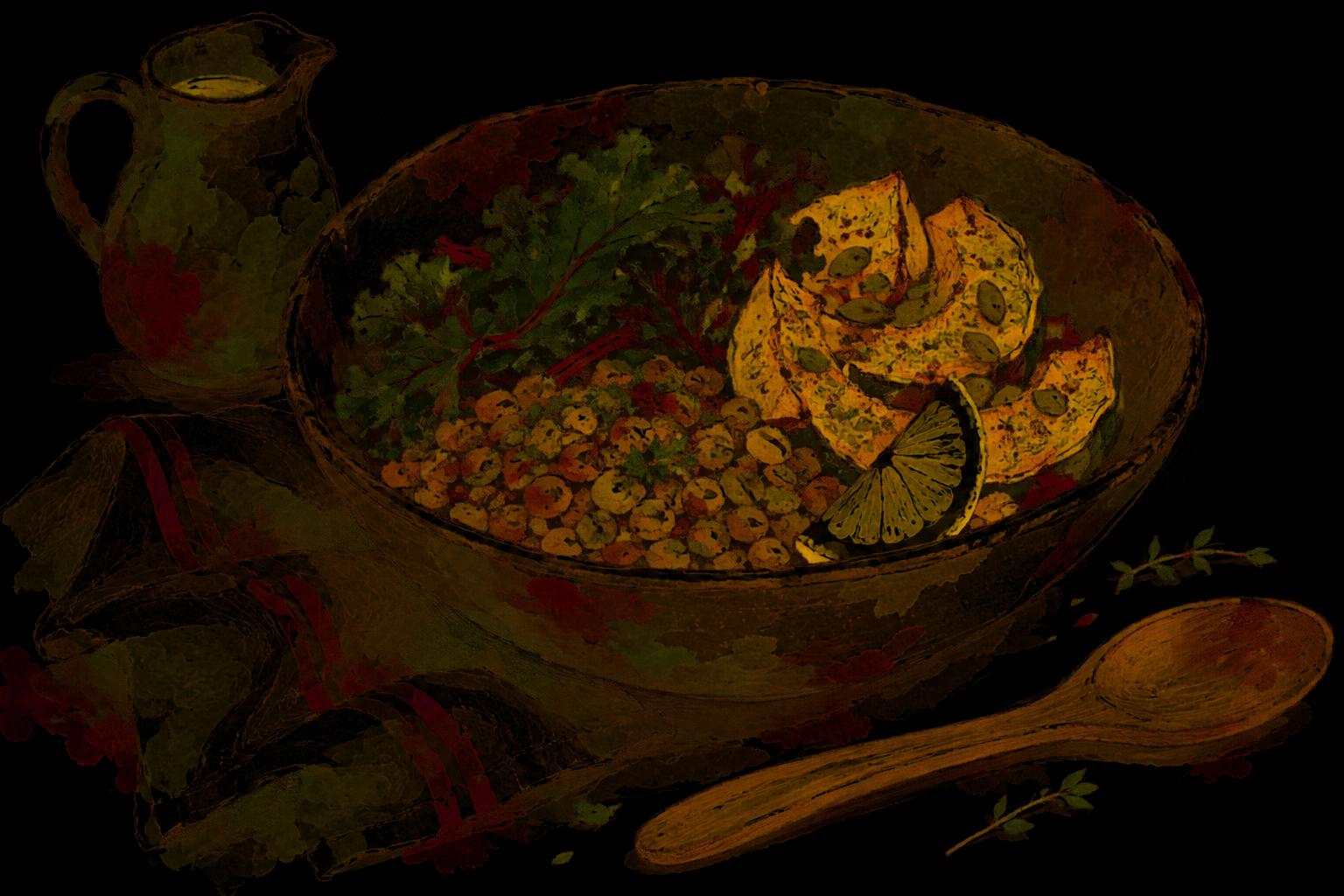
The simplest way to cook asparagus is to snap off the tough ends, toss the spears with a little extra virgin olive oil and salt, and roast them in a hot oven until they are tender at the thick end and lightly browned at the tips, usually ten to twenty minutes depending on how thick they are. Steaming, sautéing and grilling all work too, and all of them take only minutes. The one way to spoil it is to cook it too long, until it turns olive-colored and limp.
I am a wellness coach, and I have eaten whole-food, plant-based for about thirty years, with no meat or dairy, so vegetables are the center of my plate rather than the side of it. In my book, Lifetime Body by Design, this is Right Feeding, the second petal of the Starflower, the method the book is built on. If you are thinking about changing the way you eat more broadly, start with how to go plant-based. This piece is smaller and more practical: one vegetable, four ways, so you can pick the method that suits the night you are having.
How to choose and store asparagus
Good asparagus is firm and straight, with tight, closed tips and stalks that look moist at the cut end rather than dry, wrinkled or split. Avoid bunches with tips that are soft, dark or starting to smell.
Thickness is a matter of taste, not quality. Thin spears cook in moments and are lovely sautéed. Thick spears are meatier, stay juicy and are my choice for roasting and grilling. What matters most is that the spears in a bunch are roughly the same size, so they cook evenly.
To keep it for a few days, treat it like cut flowers. Trim a little off the bottoms, stand the bunch upright in a jar with an inch or so of water, cover the tops loosely with a bag and put the jar in the fridge. Even so, asparagus is best eaten soon after you buy it, so I tend to buy it the day I plan to cook it.
How to trim asparagus
The bottom of every spear is woody and stringy, and no amount of cooking makes it pleasant.
- The snap method. Hold a spear near the bottom with one hand and about halfway up with the other, then bend it gently. It will break where the tough part ends. This is the quickest way to learn where your bunch turns woody.
- The knife method. Snap one spear to see where it breaks, then line up the rest of the bunch and cut them all at the same point. Less waste, and the spears look neater.
- Peeling. For very thick spears, run a vegetable peeler over the bottom few inches to take off the outer skin. They cook more evenly and you lose less.
Rinse the spears well under cold water before cooking, paying attention to the tips, which can hold a little grit. Do not throw the woody ends away. They are full of flavor and go into a pot of vegetable stock or soup.
How to roast asparagus (the method I use most)
Roasting gives the most flavor for the least work.
- Heat the oven to about 425°F (220°C).
- Lay the trimmed spears on a baking tray in a single layer. Crowded spears steam instead of browning.
- Drizzle with a teaspoon or two of extra virgin olive oil and a pinch of salt, and roll the spears so they are lightly coated. For an oil-free version, use parchment paper and a squeeze of lemon instead; they will brown less, but they will still be good.
- Roast for roughly ten to fifteen minutes for thin spears and fifteen to twenty for thick ones, shaking the tray once halfway.
- They are done when a knife slides easily into the thickest part and the tips are just starting to crisp.
Finish with lemon juice, black pepper and a few toasted seeds or chopped nuts.
How to steam asparagus
Steaming is the gentlest method and uses no oil at all.
Put an inch or so of water in a pan and bring it to a simmer. Set a steamer basket over it, add the spears in an even layer, cover and steam for about three to six minutes, depending on thickness. Lift them out while they are still bright green and have a slight bend when you hold one by the end. If you are serving them cold, in a salad or grain bowl, rinse them under cold water straight away to stop the cooking.
If you have no steamer, lay the spears flat in a wide pan with about half an inch of simmering water, cover and cook for the same time.
How to sauté asparagus
This is the weeknight method for thin spears.
- Cut the spears into two-inch (5 cm) pieces, keeping the tips aside.
- Warm a large pan over medium-high heat with a teaspoon of olive oil, or two tablespoons of water if you are cooking without oil.
- Add the stalk pieces first and stir for two or three minutes.
- Add the tips, plus a sliced clove of garlic if you like, and cook for another one to three minutes until everything is tender but still has some bite.
- Season with salt, pepper and lemon, and serve straight away.
How to grill asparagus
On a grill or a ridged grill pan, thick spears are best, because thin ones fall through the bars or burn. Coat them very lightly with oil, lay them across the bars and cook for roughly five to eight minutes, turning a couple of times, until they are marked and tender. Threading several spears onto two skewers, like a raft, makes them much easier to turn.
How long to cook asparagus: methods and approximate times
These times are approximate. They vary with the thickness of the spears, your oven or stove, and how many you are cooking at once, so test with the tip of a knife and trust that over the clock.
| Method | Thin spears | Thick spears | Good for |
|---|---|---|---|
| Roast at about 425°F (220°C) | 10 to 15 minutes | 15 to 20 minutes | The most flavor, little effort |
| Steam | 3 to 4 minutes | 5 to 6 minutes | No oil, salads and bowls |
| Sauté in pieces | 3 to 5 minutes | 5 to 7 minutes | A quick side, thin spears |
| Grill or grill pan | Not ideal | 5 to 8 minutes | Summer meals, a smoky flavor |
| Blanch, then cold water | 1 to 2 minutes | 2 to 3 minutes | Prepping ahead for the fridge |
Asparagus is done a minute before you think it is.
What to put on asparagus instead of butter
Butter and cheese are what most recipes reach for. I do not miss them. A few things I use instead:
- Lemon juice and zest with black pepper, the everyday version
- A spoonful of tahini thinned with lemon and water, drizzled over the top
- Toasted almonds, walnuts or pumpkin seeds for crunch
- A little nutritional yeast for a savory, cheesy note
- Chopped fresh herbs such as parsley, dill or chives
- A few drops of soy sauce and sesame seeds, especially with sautéed spears
Leftover cooked asparagus keeps a couple of days in a covered container in the fridge. Chop it into a grain bowl, stir it into pasta with white beans and lemon, or fold it into a pot of lentils at the end.
Cooking one vegetable well, again and again, until you could do it half asleep is a small habit, and that is how habits last, which I wrote about in how to build good habits.
A few questions people ask me
How do I know when asparagus is done? A knife should slide into the thickest part with little resistance, and the spears should still be bright green. If they droop completely when you hold one up by the end, they have gone too far.
Do I need to peel asparagus? Only thick spears, and only the bottom few inches. Thin spears just need the woody ends snapped off.
Can I eat asparagus raw? Yes. Very thin spears, or thick ones shaved into ribbons with a vegetable peeler, are good raw in a salad with lemon and a pinch of salt.
Can I freeze asparagus? Yes, though it softens a little. Blanch the trimmed spears for a minute or two, cool them in cold water, dry them well and freeze them flat on a tray before bagging. Frozen asparagus is best in soups, stir-fries and pasta rather than served on its own.
There is more from my kitchen under Whole food nutrition, including how to cook spinach and kale and roasted vegetables. And if you want to pair your meals with a little movement, read walking for exercise. Guided sessions for the whole method are at Lifetime Body by Design.
This article is general information and one person's experience. It is not medical or dietary advice. Please speak to your doctor or a registered dietitian before making significant changes to how you eat, especially if you have a health condition or take regular medication.
Carol Pocock is a wellness coach, yoga teacher and the author of Lifetime Body by Design. Guided sessions are at Lifetime Body by Design. More about Carol.

