Whole food nutrition
Roasted vegetables: one tray, one method, any vegetable
By Carol Pocock8 minute read
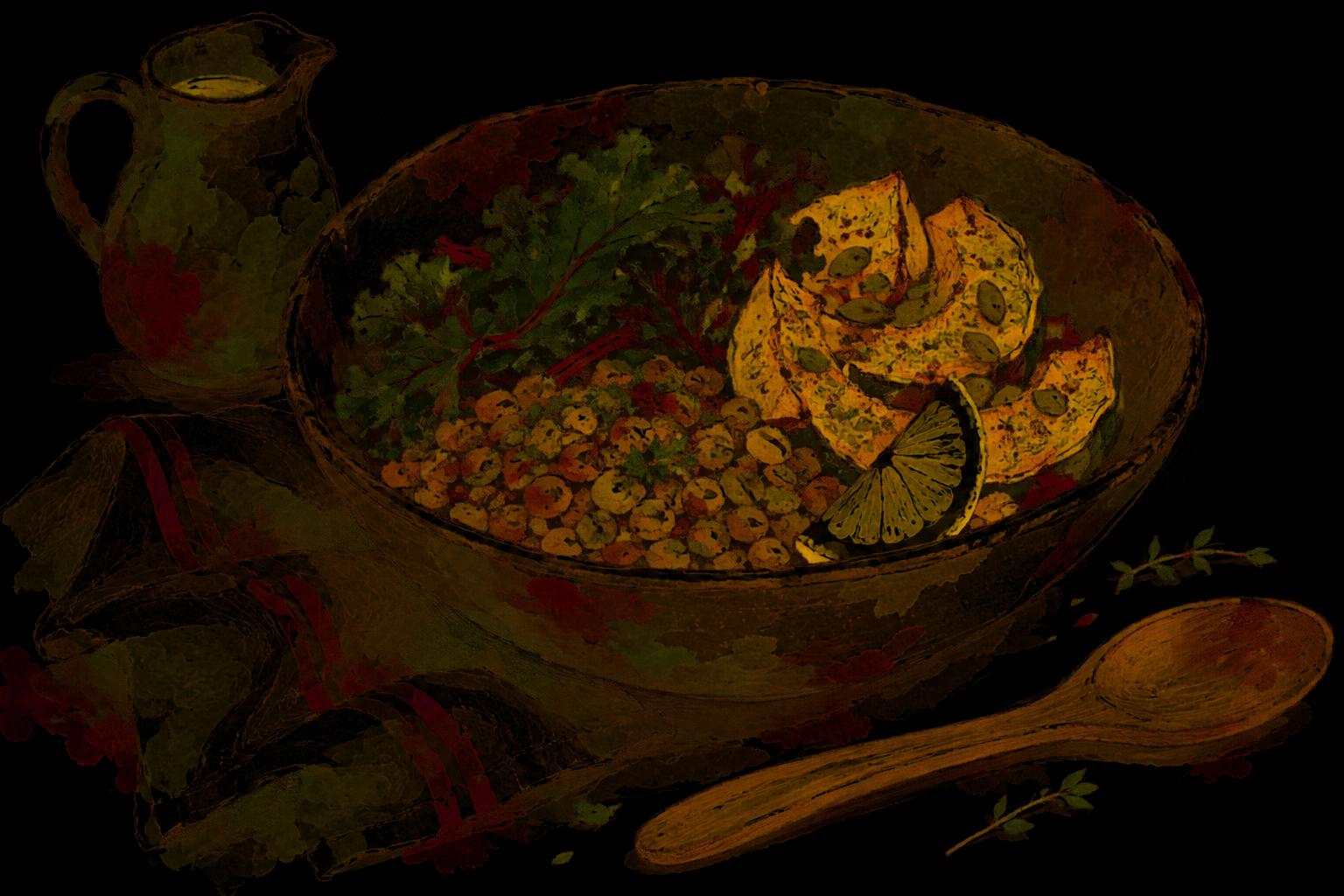
To make roasted vegetables, cut them into even pieces, spread them in a single layer on a lined tray with space between them, and roast at 425°F (220°C) until the edges are browned and a knife slides into the middle, usually somewhere between 15 and 45 minutes depending on the vegetable. A little extra virgin olive oil helps them brown, but you can use very little, or none. Below is the one method I use for every vegetable, with a table of approximate times.
I am a wellness coach, and I have eaten whole-food, plant-based for about thirty years, with no meat or dairy. A tray of roasted vegetables is the closest thing I have to a kitchen habit that never fails. It works with whatever is in the fridge, it turns tired vegetables into something you want to eat, and it asks for an oven and a knife, not a recipe. Food is Right Feeding, the second petal of the Starflower, the method in my book, Lifetime Body by Design, and the petal's main piece is how to go plant-based. If your aim is simply more vegetables on the plate, start with how to eat more vegetables. This piece is the method I lean on to make that easy.
How to roast vegetables: the one method
Every vegetable I roast goes through the same five steps. Once you know them, you will not need a roasted vegetables recipe again.
- Heat the oven to 425°F (220°C) and line a large baking tray with parchment.
- Cut everything into even pieces. About 1 inch (2.5 cm) for roots and squash, florets for broccoli and cauliflower, thick slices for zucchini and peppers. Pieces of the same size finish at the same time.
- Season lightly. For a full large tray, a teaspoon or two of extra virgin olive oil, a pinch of salt and pepper, and whatever spice or herb you like. Toss with your hands so a little goes a long way.
- Give them room. Spread them in a single layer with a small gap around each piece. Use two trays rather than one crowded one.
- Roast, turning once. Turn or shake the pieces about halfway through, and start checking at the short end of the time range.
They are done when the edges are golden to dark brown, a few tips are almost charred, and a knife goes into the thickest piece with no resistance.
What temperature to roast vegetables
For oven roasted vegetables, 425°F (220°C) is the setting I use for nearly everything. It is hot enough to brown the outside before the inside turns to mush, and gentle enough that the edges do not burn before the middle is cooked. University of Kentucky's EatWell guide works from the same temperature in a regular, non-convection oven, and warns that an overcrowded pan makes vegetables steam rather than roast.
You can go a little lower, around 400°F (200°C), for large chunks of root vegetables or a whole head of garlic that you want soft all the way through. If your oven has a fan setting, it will usually cook faster, so check sooner. Every oven runs a little differently, and you will learn yours within a few trays.
Roasting times by vegetable
These are approximate times at 425°F (220°C) for pieces cut as above, in a single layer. They vary with the size of the pieces, how full the tray is, and your oven.
| Vegetable | How to cut | Approximate time |
|---|---|---|
| Potatoes, carrots, parsnips, beets | 1-inch (2.5 cm) chunks | 30 to 45 minutes |
| Butternut and other winter squash | 1-inch cubes, or halves for a whole roast | 20 to 60 minutes, by size |
| Broccoli, cauliflower, Brussels sprouts | Florets; sprouts halved | 15 to 25 minutes |
| Zucchini, summer squash, bell peppers | Thick slices or strips | 10 to 20 minutes |
| Asparagus, green beans | Whole, ends trimmed | 10 to 20 minutes |
| Onions | Wedges, root left on | 30 to 45 minutes |
| Tomatoes | Small whole, or larger halved | 15 to 20 minutes |
| Garlic | Whole bulb, top sliced off, wrapped in parchment | 30 to 40 minutes |
University of Kentucky's EatWell guide gives the same ranges for each of these groups at 425°F, from 10 to 20 minutes for soft and thin vegetables to 30 to 45 minutes for roots and onions. For more detail on single vegetables, I have separate pieces on how to cook butternut squash, how to cook broccoli and how to cook beets.
Roasting with little or no oil
Many recipes call for far more oil than vegetables need. A pool of oil in the bottom of the tray does not make them crisper; it mostly makes them greasy. I use extra virgin olive oil only, and only a little. I never use seed oils or cooking sprays.
If you want to use less, or none, these help.
- Use parchment. It stops vegetables sticking without any oil at all.
- Dry them well. Water left on washed vegetables turns to steam in the oven. Pat them dry with a towel before seasoning.
- Toss them in something else. A splash of vegetable stock, lemon juice or a little soy sauce helps spices cling.
- Turn the heat up, not the oil. A hot oven and plenty of space do most of the browning.
- Add richness afterwards. A spoon of tahini thinned with lemon and water, drizzled over the finished tray, does more than oil ever did before it went in.
Vegetables roasted without oil come out a little drier and chewier at the edges than oiled ones. Many people find they like them that way once they are used to it.
Mixing vegetables on one tray
The table is the key to a mixed tray. Put the slow vegetables in first and add the quick ones later, so everything finishes together. Carrots and potatoes might go in for 15 minutes before the broccoli joins them. Or use two trays, one for roots and one for softer vegetables, and take each out when it is ready.
A few trays I come back to:
- Winter tray: carrots, parsnips, red onion wedges and beets, with rosemary and a few whole garlic cloves. Keep the beets at one end, because they stain everything pink.
- Summer tray: zucchini, peppers, red onion and cherry tomatoes, finished with basil and a squeeze of lemon.
- Green tray: broccoli, halved Brussels sprouts and green beans, with chili flakes and lemon zest.
A drained can of chickpeas, patted dry, can go on any tray for the last 20 to 25 minutes. It turns a side dish into a meal. I wrote more in how to cook chickpeas.
Seasoning, storing and using a tray of roasted vegetables
Before roasting, salt, pepper and one strong flavor is plenty: smoked paprika, cumin, curry powder, dried thyme or rosemary. After roasting, add something fresh: lemon or lime juice, chopped parsley or cilantro, a few toasted seeds, or the tahini sauce above.
Let a tray cool, then keep it covered in the fridge and use it within a few days. Roasted vegetables are the backbone of a grain bowl, they fill out a big salad, and the last of them, blended with stock and a can of white beans, make a thick soup in ten minutes. They reheat well in a hot oven, and many are good cold.
A full tray on Sunday makes every weekday meal a little easier.
Cooking one tray a week is the kind of small, repeated action I call a Right Action, and it is how a habit takes root, which is the stem of the Starflower. I wrote about that in how to build good habits. A container of roasted vegetables in the fridge is also a far easier answer than a packet when hunger comes between meals; I wrote more in how to stop snacking. If you would like guided sessions across the whole method, they are at Lifetime Body by Design.
A few questions people ask me
What temperature should I roast vegetables at? 425°F (220°C) works for almost everything. Go a little lower for very large chunks or a whole bulb of garlic.
Why are my roasted vegetables soggy? Usually the tray is too full, or the vegetables were still wet. Use two trays, leave space between pieces and dry them well first.
Do I need to peel vegetables before roasting? Rarely. Scrub carrots, potatoes and beets well and roast them in their skins. I peel butternut squash only when I want neat cubes.
Can I roast frozen vegetables? Yes. Spread them straight from frozen on a hot, lined tray with plenty of space, and expect them to take a little longer and brown a little less than fresh.
There is more from my kitchen under Whole food nutrition, and if you are just starting out, begin with how to go plant-based.
This article is general information and one person's experience. It is not medical or dietary advice. Please speak to your doctor or a registered dietitian before making significant changes to how you eat.
Carol Pocock is a wellness coach, yoga teacher and the author of Lifetime Body by Design. Guided sessions are at Lifetime Body by Design. More about Carol.

