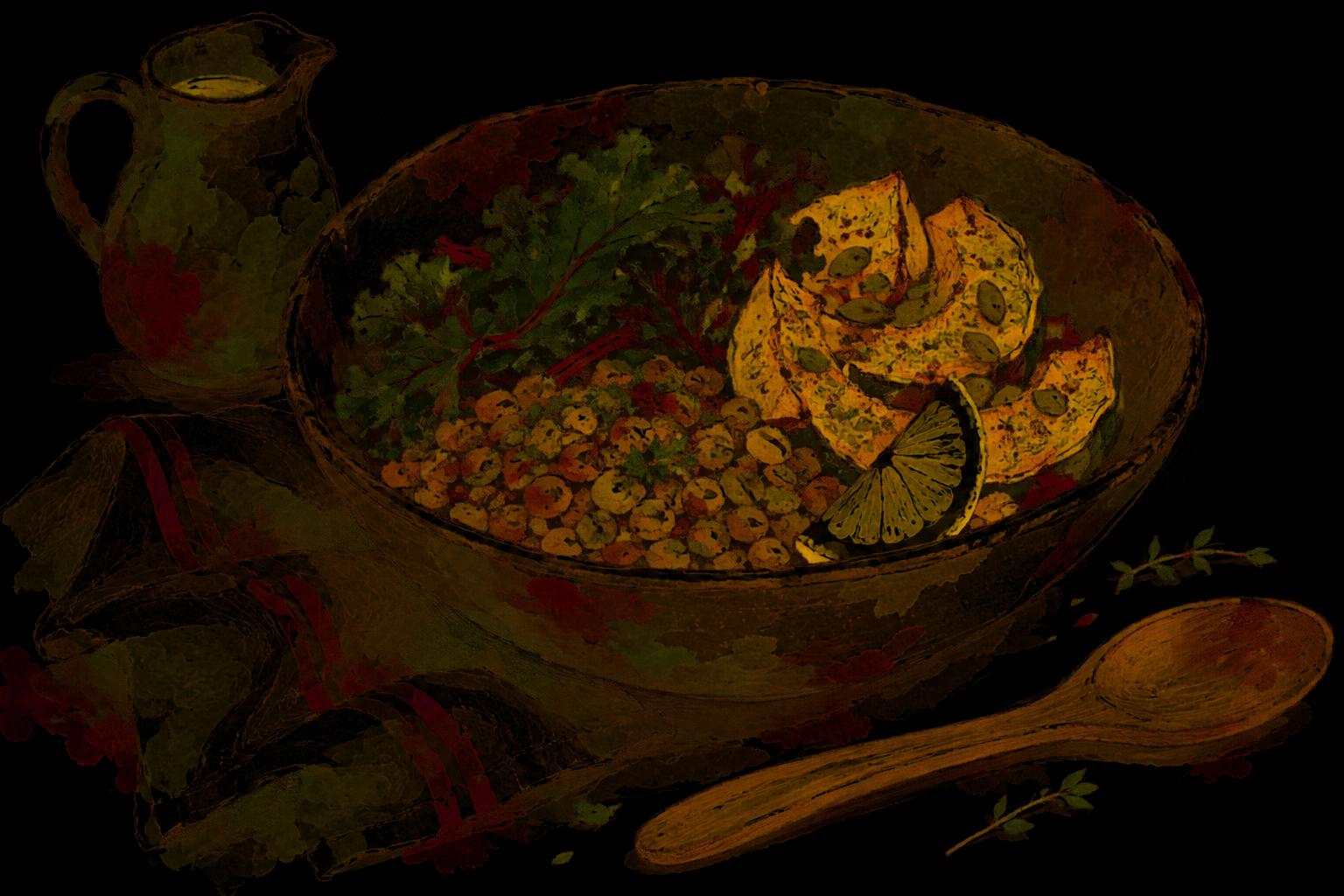
To cook brown rice, rinse it, put one cup of rice in a pot with about two cups of water and a pinch of salt, bring it to a boil, then cover it, turn the heat right down and leave it alone for 40 to 45 minutes. Take it off the heat, keep the lid on for ten minutes, then fluff it with a fork. Gluey brown rice nearly always comes from too much water, too much stirring or skipping the rest.
I am a wellness coach, and I have eaten whole-food, plant-based for about thirty years, with no meat or dairy. A pot of brown rice is under a good share of my dinners: dal, stir-fries, chili, a bowl of roasted vegetables and beans. In my book, Lifetime Body by Design, food is Right Feeding, the second petal of the Starflower, and whole grains are a plain, steady part of that petal. Brown rice has a reputation for being heavy and sticky. Cooked well, it is nutty and chewy, with every grain separate, and it is no harder than white rice. It just takes longer.
Brown rice vs white rice
Brown rice is the whole grain: only the inedible outer husk has been taken off, so the bran and the germ are still there. White rice is the same grain milled further, with the bran and germ polished away. That is why brown rice is chewier, tastes nuttier, keeps its shape better and needs roughly twice as long on the stove.
In a whole-food kitchen, brown rice is the one I reach for, for the same reason I choose whole wheat bread and oats: it is the food closer to how it grew. I set out that way of thinking in what are whole foods. If you are used to white rice, the texture can take a week or two to like. Long-grain brown rice is the easiest place to start, because it cooks up lighter and more separate than short-grain, which is softer and stickier and good for bowls and rice puddings.
Before you cook: rinse it
Put the rice in a sieve and run cold water through it, moving it around with your hand, until the water runs mostly clear. It takes a minute. Rinsing washes off loose starch and dust, and loose starch is part of what makes rice clump. Some cooks skip it and are happy; I find my rice comes out more separate when I do it.
Soaking is optional. An hour or so in cold water can shorten the cooking time a little and soften the grain. If you soak, drain it and use slightly less water. I usually do not bother.
Brown rice to water ratio and how long to cook it
These are the ratios and times I use. They are approximate: pans, stoves and rice brands all differ, and the first pot in a new kitchen is always a test.
| Method | Water per 1 cup dry rice (about 190 g) | Approximate time | What you get |
|---|---|---|---|
| Covered pot (absorption) | 2 to 2¼ cups (475 to 530 ml) | 40 to 45 minutes, plus a 10 minute rest | Tender, lightly sticky, the everyday pot |
| Pasta method | A large pot of water, drained | About 30 minutes boiling, plus a 10 minute rest | The most separate grains; hard to make gluey |
| Oven-baked | 2 cups (475 ml), boiling | About 1 hour at 375°F (190°C), covered | Even, hands-off, good for a big batch |
| Rice cooker | Follow the brown rice line on the bowl | Set by the machine | Reliable, if you cook rice often |
A cup of dry brown rice makes roughly three cups cooked, enough for three or four people as a side.
How to cook brown rice on the stove
This is the covered-pot method, and these are the habits that stopped mine turning to paste.
- Use a heavy pan with a tight lid. A thin pan scorches on the bottom before the top is cooked. If your lid lets steam out, lay a clean tea towel over the pan under the lid.
- Bring it to a boil, then turn it right down. The lowest heat that keeps a faint simmer. You should hear it rather than see it.
- Do not lift the lid and do not stir. Every peek lets steam out, and stirring breaks the grains and releases starch. That is the glue.
- Check at 40 minutes. Tilt the pan a little. If water still pools at the bottom, give it five more minutes.
- Rest it. Off the heat, lid on, for ten minutes. The grains finish cooking in their own steam and firm up. Skipping this is the most common reason rice comes out wet.
- Fluff with a fork, not a spoon. Lift and separate it gently.
If gluey rice keeps happening, try the pasta method. Boil the rinsed rice in a big pot of water, uncovered, for about 30 minutes, drain it well, then put it back in the empty pot with the lid on, off the heat, for ten minutes. Because the extra water and starch go down the sink, the grains stay separate almost every time. It is the method I recommend to anyone who has given up on brown rice.
Most of cooking rice well is leaving it alone.
How to give brown rice more flavor
Plain rice is meant to be a quiet partner, but a few small things make it worth eating on its own.
- Toast it first. Stir the drained rice in a dry pan for two or three minutes until it smells nutty, then add the water.
- Cook it in vegetable stock instead of water, or add a bay leaf, a strip of lemon peel or a few cardamom pods.
- Finish it simply. Chopped parsley or cilantro, a squeeze of lemon, toasted pumpkin seeds, or a spoon of extra virgin olive oil.
How to store cooked rice
This is the one part of cooking rice where care really matters, so I follow official food-safety guidance rather than habit. The UK's Food Standards Agency explains that uncooked rice can carry spores of a bacterium called Bacillus cereus, which can cause food poisoning, and that the spores can survive cooking. The longer cooked rice sits at room temperature, the more likely it is to become unsafe. Its advice, in plain terms:
- Cool it quickly, ideally within an hour. Spread it on a tray or divide it into small portions, and do not leave it to cool in the pan or the rice cooker.
- Keep it in the fridge for no more than a day before you eat it or reheat it.
- Freeze it if you will not use it that soon, cooling it quickly first, then defrost it in the fridge.
- Reheat it only once, until it is steaming hot all the way through.
Food-safety advice differs a little from country to country, so check the guidance where you live too. In practice this means I cook rice in smaller amounts than lentils or beans, and anything I will not eat the next day goes straight into the freezer in single portions. Frozen rice reheats well with a splash of water and a lid. I fit it into a week of cooking in vegan meal prep.
A few questions people ask me
Why is my brown rice still hard? Usually too little water, too high a heat or a lid that leaks steam. Add a few tablespoons of boiling water, cover it and give it another ten minutes on the lowest heat.
Why is my brown rice mushy? Too much water, or it was stirred. Next time use a little less water, or switch to the pasta method.
Can I cook brown rice in a pressure cooker? Yes, and it is quicker. Follow the maker's instructions for brown rice, since settings and times differ between models.
What goes well with brown rice? Almost anything wet and savory: dal, chili, a stir-fry with tofu, a bowl of roasted vegetables and beans. I wrote about the tofu side of that in how to cook tofu.
There is more from my kitchen under Whole food nutrition, and if you are just starting out, begin with how to go plant-based. A pot of rice on a low simmer is one of those small daily habits that holds a week together, which is the idea behind how to build good habits. And waiting out the ten-minute rest without lifting the lid is a small lesson in how to be present. For guided sessions across the whole method, see Lifetime Body by Design.
This article is general information and one person's experience. It is not medical or dietary advice. Please speak to your doctor or a registered dietitian before making significant changes to how you eat.
Carol Pocock is a wellness coach, yoga teacher and the author of Lifetime Body by Design. Guided sessions are at Lifetime Body by Design. More about Carol.

