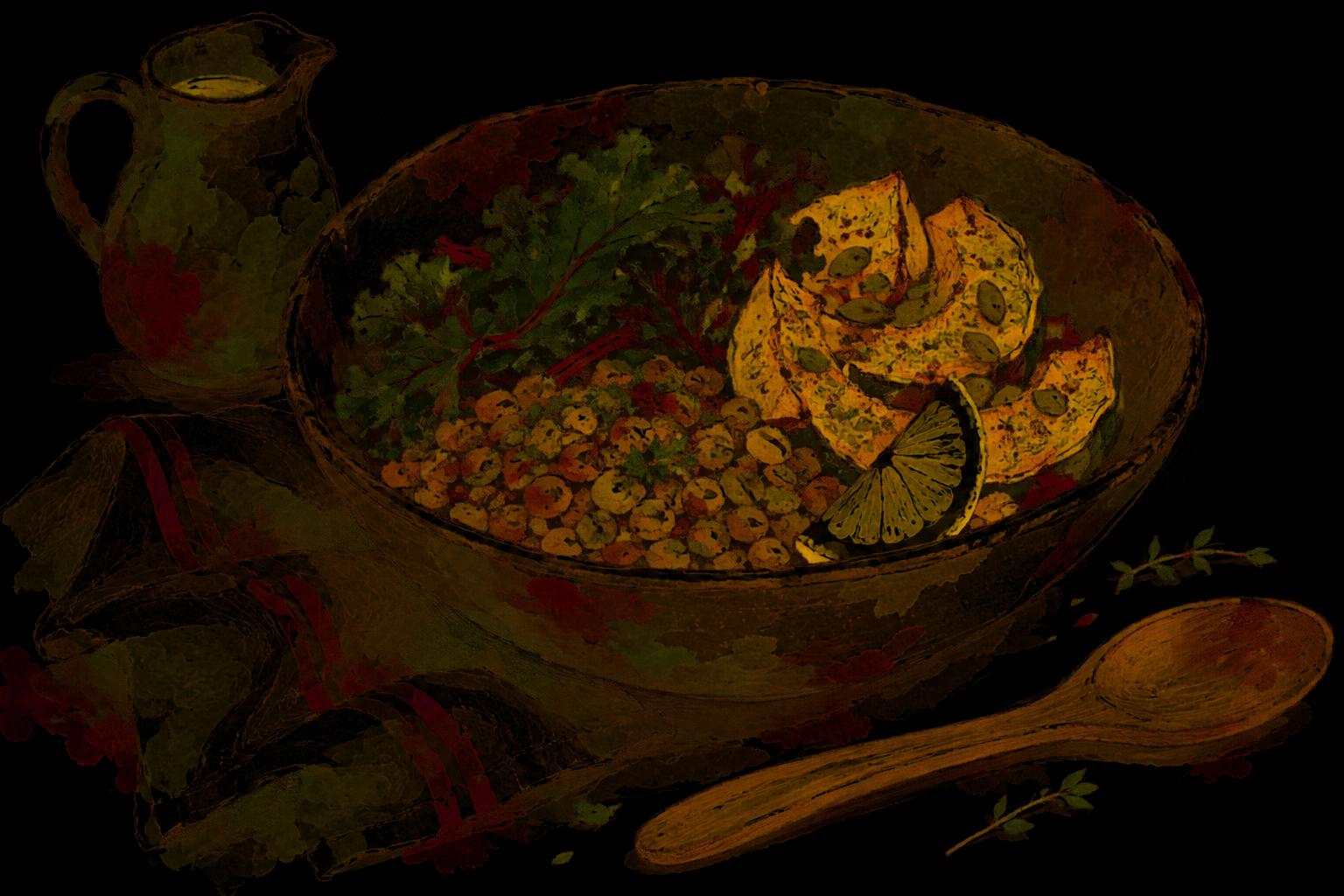
To cook lentils, rinse them, put them in a pot with about three times their volume of water, bring it to a boil, then turn it down and let them simmer gently, uncovered or half covered, until they are as soft as you want. Red lentils take around 15 to 20 minutes and fall apart into a purée; brown and green lentils take 20 to 30 minutes and mostly hold their shape. No soaking needed. The part most people miss is flavor, and that is what most of this piece is about.
I am a wellness coach, and I have eaten whole-food, plant-based for about thirty years, with no meat or dairy, so lentils have been on my stove more weeks than not. In my book, Lifetime Body by Design, food is Right Feeding, the second petal of the Starflower, the method the whole book hangs on. Lentils are close to the center of that petal for me: cheap, quick, and happy to take on whatever you cook them with.
What are lentils?
Lentils are the small, flat seeds of a legume plant, dried after harvest. They belong to the same family as beans, chickpeas and peas, the group often called pulses. Because they are small and thin, they cook quickly from dry, which is the main reason I reach for them more often than dried beans. Beans need planning; lentils need twenty minutes.
They come in several kinds, and the kind decides how you cook them and what they are good for. The simplest way to think about it: red and yellow lentils collapse, everything else holds.
How to prepare lentils before cooking
There is very little to do, but do it.
- Pick them over. Tip them onto a plate or a tray and look. Dried lentils sometimes carry a small stone or a shriveled one. It takes thirty seconds and saves a tooth.
- Rinse them. Put them in a sieve and run cold water through until it looks clear rather than dusty.
- Skip the soak. Lentils do not need soaking. Some cooks soak green or brown lentils for an hour or two to shorten the cooking a little; I never bother.
If you are buying for the first time, a bag of red lentils and a bag of green or brown ones will cover almost everything you want to make. Both are on my vegan grocery list.
Lentil types, water and cooking times
These are the ratios and times I use. They are approximate. Older lentils take longer, and so do lentils cooked at a lazy simmer, so start tasting a few minutes before the low end of the range.
| Lentil type | Water per 1 cup dry (about 200 g) | Approximate time | Best use |
|---|---|---|---|
| Red or yellow split | 3 cups (about 700 ml) | 15 to 20 minutes | Dal, soups, thickening a stew; they turn soft and creamy |
| Brown | 3 cups (about 700 ml) | 20 to 30 minutes | Everyday stews, shepherd's pie filling, a lentil pasta sauce |
| Green | 3 cups (about 700 ml) | 25 to 30 minutes | Stews and warm salads; firmer than brown |
| French green (small, dark, speckled) | 2½ to 3 cups (600 to 700 ml) | 25 to 30 minutes | Salads and side dishes; they stay whole |
| Black (sometimes sold as beluga) | 2½ to 3 cups (600 to 700 ml) | 20 to 25 minutes | Grain bowls and salads; they look good on a plate |
A cup of dry lentils makes roughly two to two and a half cups cooked.
For red lentils, use less water for a thick dal and more for a soup. The others can also be cooked like pasta, in a generous pot of water, and drained when done. That is the easiest way to get green or black lentils that stay separate for a salad.
How to cook green lentils (and brown)
Green lentils are the ones people ask about, usually because theirs came out chalky or mushy.
- Simmer, do not boil. Once the pot reaches a boil, turn it down until the surface only trembles. A hard boil splits the skins before the middles are cooked.
- Taste from the twenty-minute mark. Bite one. You want it tender all the way through with no chalky center, but still holding its shape.
- Salt toward the end. I add salt in the last five minutes or once they are drained. Some cooks salt from the start and find it makes no difference. Either way, taste before you add more.
- Add acid later. Tomatoes, vinegar and lemon juice added at the start can keep lentils firm for longer, many cooks find. I add them once the lentils are nearly tender.
- Let them sit. Off the heat, with the lid on, for five minutes. They finish softening and soak up whatever they are sitting in.
Brown lentils behave the same way but soften sooner and break down if left.
How to make lentils taste like something
Plain lentils cooked in plain water taste of very little, and that is where many people give up on them. Lentils are not bland; they are waiting. These are the habits that changed mine.
- Start with an onion. Soften a chopped onion and a couple of cloves of garlic in a spoon of extra virgin olive oil, or a splash of water, before the lentils go in. Add a carrot and a stick of celery if you have them.
- Bloom the spices. Stir cumin, turmeric, smoked paprika or curry powder into the onion for a minute before adding water. Spices warmed this way taste far stronger than spices stirred into a finished pot.
- Cook them in something. Vegetable stock instead of water, a bay leaf, a strip of lemon peel or a sprig of thyme. Even a spoon of miso stirred in at the end gives a pot real depth.
- Finish with brightness. A squeeze of lemon or a splash of vinegar just before serving lifts the whole dish. So does a handful of chopped parsley or cilantro.
- Add greens at the end. Spinach or chopped kale stirred into hot lentils wilts in a minute or two.
Lentils are not bland. They are waiting for you to give them something.
My most reliable pot is red lentils with onion, garlic, ginger, turmeric and cumin, simmered with canned tomatoes and stock until it collapses, then finished with spinach and lemon. It forgives almost everything, including forgetting it for ten minutes.
Cooking once and eating all week
Lentils keep well, and that makes them one of the easiest things to cook ahead. Cooled and covered, cooked lentils keep in the fridge for about three or four days, and they freeze well in portions for a few months. Cool them quickly, spread out on a tray if the batch is large, and get them into the fridge within a couple of hours.
One pot of green lentils on a Sunday becomes a salad on Monday, a soup on Tuesday and a quick shepherd's pie on Wednesday. I set out the whole session, grains and vegetables included, in vegan meal prep. Like every habit that has lasted for me, it stuck because it was small and repeated, which is the idea behind how to build good habits.
When I want something heartier than lentils, I cook dried beans instead. They take more planning and one important safety step, both set out in how to cook dried beans.
A few questions people ask me
Do I need to soak lentils? No. Soaking can shorten the cooking time a little for green and brown lentils, but it is not needed for any of them. Just pick them over and rinse.
How do I keep lentils from going mushy? Choose green, French green or black lentils, keep the water at a gentle simmer, and start tasting early. Red lentils are meant to go soft, so do not fight them.
Why are my lentils still hard after forty minutes? They may be old, or something acidic went in early. Keep simmering, add water if the pot is drying out, and leave the tomatoes or vinegar until they soften.
Can I eat lentils every day? Many plant-based cooks eat them most days. If you are new to beans and lentils, start with smaller portions and build up, and if you have a digestive condition, ask your doctor first.
There is more from my kitchen under Whole food nutrition, and if you are just starting out, begin with how to go plant-based. A good bowl of lentils at dinner is also one of the reasons I rarely want anything later, which I wrote about in how to stop snacking. For guided sessions across the whole method, see Lifetime Body by Design.
This article is general information and one person's experience. It is not medical or dietary advice. Please speak to your doctor or a registered dietitian before making significant changes to how you eat.
Carol Pocock is a wellness coach, yoga teacher and the author of Lifetime Body by Design. Guided sessions are at Lifetime Body by Design. More about Carol.

