Whole food nutrition
How to cook mushrooms so they brown instead of steam
By Carol Pocock8 minute read
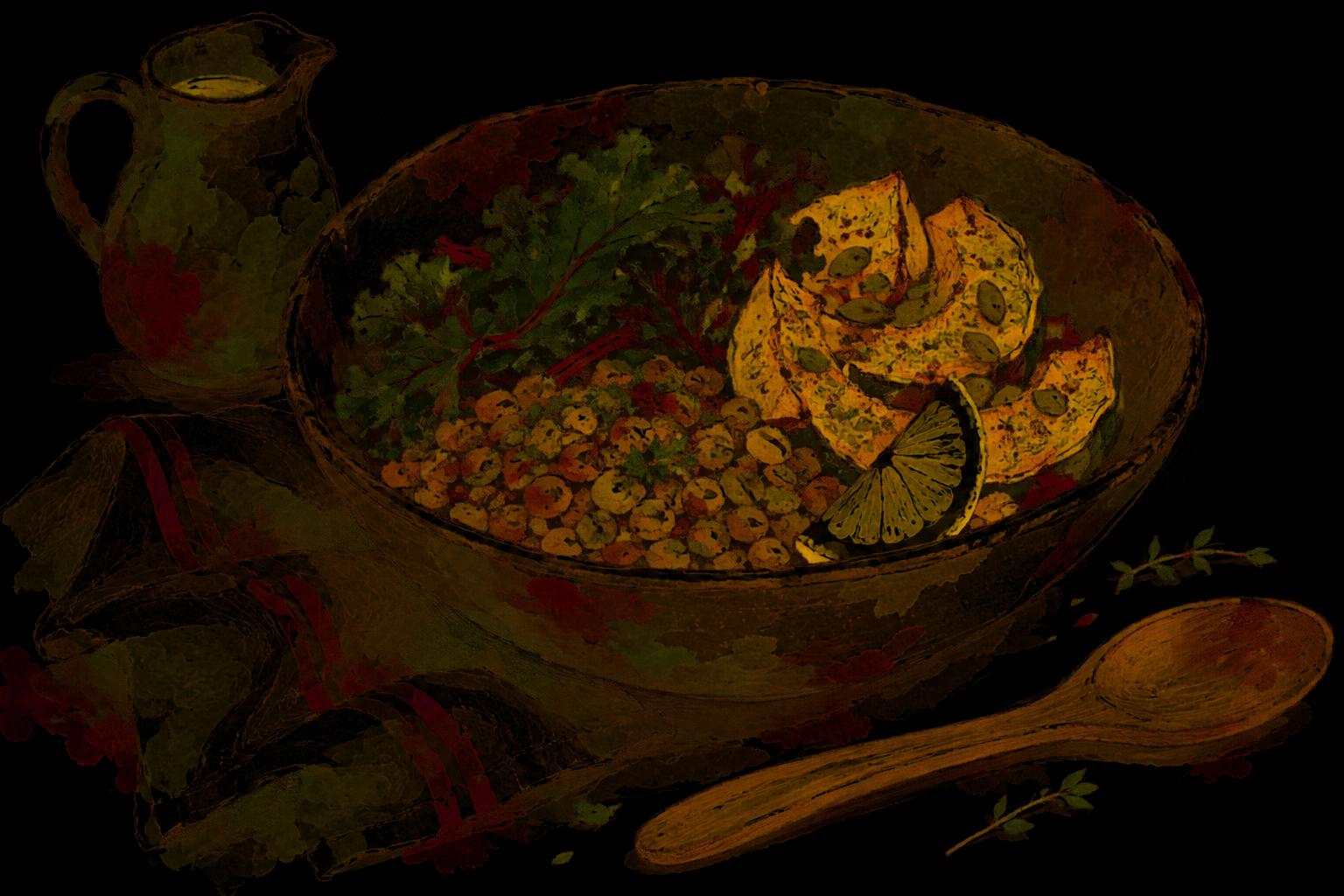
The simplest way to cook mushrooms so they brown is to put them in a hot, dry pan, leave space between them, and wait. They release their water first, the water boils away, and only then do they turn golden and start to taste of something. Add salt and a little olive oil at the end, not the beginning. Gray, rubbery mushrooms are what happens when that water has nowhere to go.
I am a wellness coach, and I have eaten whole-food, plant-based for about thirty years, with no meat or dairy, so mushrooms turn up in my kitchen most weeks. In my book, Lifetime Body by Design, food is Right Feeding, the second petal of the Starflower, the method the book is built on. Right Feeding means eating mostly whole plant foods, cooked simply, and mushrooms suit that well: they are cheap, quick and add a savory depth to beans, grains and greens that is hard to get any other way. If you are new to eating this way, the place to start is how to go plant-based.
Why mushrooms steam instead of brown
Mushrooms are mostly water. When they hit a pan, that water comes out, and if the pan is crowded or not hot enough, it pools around them. Now they are simmering, not frying, and they cannot brown until the liquid has gone.
Three habits cause nearly every soggy pan:
- Too many at once. A heaped pan traps steam. Cook in batches, or use two pans.
- Salt too early. Salt pulls water out of mushrooms quickly, so salting at the start floods the pan.
- Stirring too often. Browning needs contact with hot metal. Moving them every few seconds keeps them pale.
Fix those three and you need neither much oil nor a special pan.
How to clean mushrooms
There is a lot of fuss about whether to wash mushrooms. My view is simple: clean them the gentlest way that gets the dirt off, just before you cook them.
- Lightly dirty mushrooms (most cultivated white and brown ones): wipe them with a damp cloth or paper towel, or brush off any soil with a soft brush.
- Gritty mushrooms: rinse them quickly in a colander under cold water, a few seconds only, then spread them on a clean tea towel and pat them dry.
- Never soak them. A bowl of water is how they get waterlogged, and waterlogged mushrooms steam.
Trim the very end of each stem if it is dry or dirty. Shiitake stems are tough and woody, so pull those off altogether (they are good in a pot of stock). Then slice. For sautéing, slices about a quarter inch (6 mm) thick brown well and stay juicy inside. Small mushrooms can be halved or quartered.
Which mushrooms to buy
Every mushroom below is one you will find in an ordinary grocery store or market. They cook in much the same way, though the times shift a little.
| Mushroom | What it is like | How I cook it |
|---|---|---|
| White button | Mild, firm, the cheapest | Dry-sautéed for pasta, soups and scrambles |
| Cremini (brown) | A little deeper in flavor than white | Sautéed or roasted, the everyday choice |
| Portobello | Large, meaty caps, grown-up cremini | Roasted whole, or sliced thick into a pan |
| Shiitake | Rich, savory, chewy | Stems off, sliced into stir-fries and soups |
| Oyster | Delicate, frilly, cooks fast | Torn into pieces, browned quickly in a dry pan |
Mushrooms only taste of something once their water has gone. Give them the time.
How to sauté mushrooms in a dry pan
This is the method I use most, and it is the one I would teach a friend first. It works with almost no oil.
- Heat the pan. A large skillet, about 12 inches (30 cm) across, over medium-high heat for a minute or two. Cast iron, stainless steel and nonstick all work.
- Add the mushrooms, dry. About a pound (450 g) of sliced mushrooms fits a pan that size in a single, slightly crowded layer. They will shrink a great deal, so a full pan at the start is fine. Two pounds is not: do that in two batches.
- Leave them. For the first few minutes they will squeak, then release their liquid. Stir now and then, not constantly.
- Wait for the pan to go dry. After roughly five to eight minutes, the liquid will have boiled off and you will hear a change from a hiss to a quieter sizzle. This is the moment they start to brown.
- Brown them. Let them sit for a minute at a time between stirs, for another three to five minutes, until the edges are golden.
- Finish them. Turn the heat down. Add a teaspoon of extra virgin olive oil if you like, a clove of garlic, sliced or crushed, and cook for a minute more. Then season with a pinch of salt and black pepper.
That is usually ten to fifteen minutes, though it varies with your stove and pan, so watch and listen rather than trusting the clock. If they stick a little, a splash of water, vegetable stock or soy sauce loosens the brown bits and turns them into flavor.
Good finishes: fresh thyme, lemon and parsley, a splash of tamari, or a handful of spinach stirred through until it wilts.
How to roast mushrooms
Roasting is the easiest way to cook a lot of mushrooms at once, and it needs even less attention.
- Heat the oven to about 425°F (220°C).
- Toss the mushrooms (halved or quartered if small, thickly sliced if large) with a teaspoon or two of olive oil, or with a splash of soy sauce if you prefer no oil.
- Spread them out on a lined baking tray with space between every piece. Use two trays if you need to.
- Roast for about 20 to 30 minutes, turning once halfway, until they have shrunk, the juices have dried up and the edges are browned.
- Season at the end with salt, pepper and herbs.
Portobello caps are lovely roasted whole. Wipe them, pull out the stem, lay them gill side up and roast for roughly 15 to 20 minutes, until tender. Serve one on a bed of greens and grains, or slice it into a wrap.
Roasted mushrooms keep well in a covered container in the fridge for a few days and go straight into a grain bowl, a soup or a salad.
How long to cook mushrooms
As a rough guide: sliced mushrooms in a dry pan take about 10 to 15 minutes, oyster mushrooms a little less, a tray in a hot oven 20 to 30 minutes, and whole portobello caps 15 to 20. For a soup or stew, brown them in a dry pan first if you have time; they gain far more flavor than if they simply simmer. Stoves and ovens vary, so go by the signs: they have shrunk, the pan is dry and the edges are golden. Undercooked mushrooms are spongy; well-cooked ones are tender with a little chew.
Store-bought only, please
One plain rule. Cook only mushrooms you have bought from a grocery store or a trusted market. Never eat a wild or foraged mushroom unless an expert has identified it in person. Some poisonous mushrooms look very like edible ones, and a photo, an app or a guess is not enough.
At home, keep mushrooms in the fridge in a paper bag or in their original container, loosely covered, rather than sealed in plastic, where they sweat. Use them within a few days. If they turn slimy or smell sour, put them in the compost.
A few questions people ask me
Should you wash mushrooms? If they are gritty, yes, quickly, just before cooking, and then dry them well. If they are only lightly dirty, a damp cloth is enough. The thing to avoid is soaking.
Can you cook mushrooms without oil? Yes. The dry-pan method works without any oil at all, and a splash of water, stock or soy sauce takes care of sticking. I add a little extra virgin olive oil at the end for flavor, but it is optional.
Why are my mushrooms rubbery? They were most likely steamed rather than browned: the pan was crowded, the heat was too low, or they were salted too early. Cook fewer at a time and wait for the pan to go dry.
How do I fit mushrooms into ordinary meals? Keep it small. A pan of dry-sautéed mushrooms beside beans and greens, or a tray roasted on a Sunday for the week's lunches, is enough. Like any food habit, it lasts by being easy and repeated, which is the idea behind how to build good habits.
There is more from my kitchen under Whole food nutrition, including how to cook tofu with the same dry-pan approach and vegan dinner ideas. A good meal is also something to look forward to after a walk, which I write about in how to start exercising. For guided sessions across the whole method, see Lifetime Body by Design.
This article is general information and one person's experience. It is not medical or dietary advice. Please speak to your doctor or a registered dietitian before making significant changes to how you eat.
Carol Pocock is a wellness coach, yoga teacher and the author of Lifetime Body by Design. Guided sessions are at Lifetime Body by Design. More about Carol.

