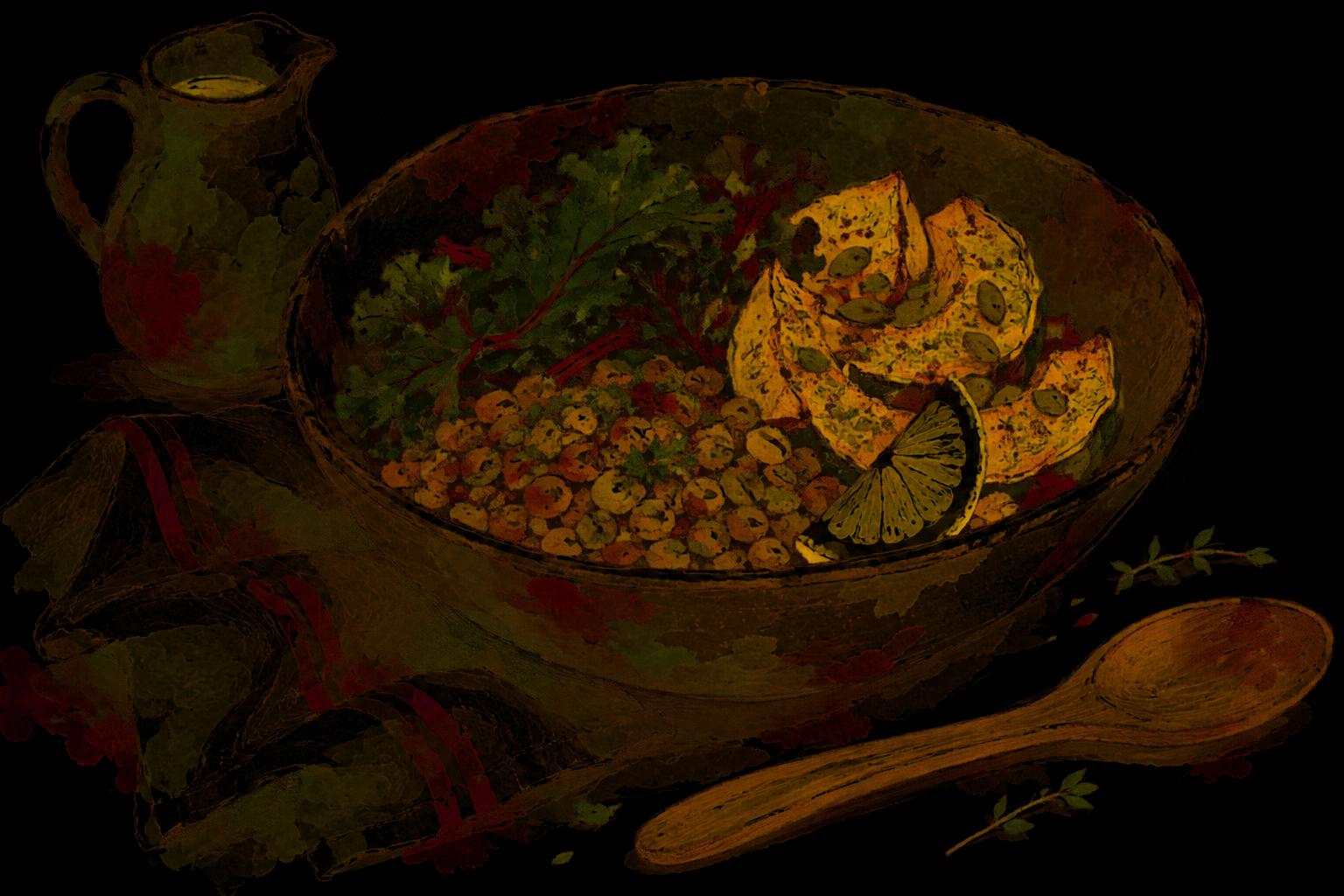
To cook quinoa, rinse it well in a fine sieve, put one cup of it in a pot with about two cups of water and a pinch of salt, bring it to a boil, then cover it and simmer on low for around 15 minutes until the water has gone. Take it off the heat, leave the lid on for five to ten minutes, and fluff it with a fork. The rinse and the rest are the two steps most people skip, and they are the difference between fluffy quinoa and a damp, bitter clump.
I am a wellness coach, and I have eaten whole-food, plant-based for about thirty years, with no meat or dairy, so a pot of some whole grain is on my stove most weeks. Food is Right Feeding, the second petal of the Starflower, the method in my book, Lifetime Body by Design. Quinoa earns its place in that petal because it is quick, it keeps, and it takes on whatever flavor you give it. If you are new to eating this way, start with how to go plant-based, and come back here when you are ready to fill the pot.
What quinoa is, and why it behaves the way it does
Quinoa is cooked and eaten like a grain, but it is the seed of a leafy plant related to spinach and beets. That is why it cooks so fast: the seeds are tiny, and each one has a little tail, the germ, that curls away from the seed when it is done. When you see those small white spirals, you are nearly there.
It also explains the bitterness some people complain about. Quinoa seeds grow with a natural coating that tastes soapy and bitter. Most of it is removed before the quinoa is sold, but not always all of it, and a little left on the seeds is enough to spoil a bowl.
It comes in three common colors:
- White is the mildest and the softest, and the one I would start with.
- Red holds its shape better and is a little chewier, good for salads.
- Black is the firmest and earthiest, and looks lovely on a plate.
Red and black usually need a few more minutes than white. Some shops sell a mix of all three, which works well if you are happy with a bit of variety in texture.
Do you rinse quinoa?
Yes. Even when the bag says it is prewashed, I rinse it anyway. It takes a minute and costs nothing.
Use a fine mesh sieve, because quinoa slips straight through an ordinary colander. Run cold water through it and rub the seeds between your fingers for thirty seconds or so. If the water looks a little cloudy or foamy at first, that is the coating coming off. Keep going until it runs clear, then shake the sieve well so you are not carrying extra water into the pot.
If you want a nuttier flavor, tip the drained quinoa into a dry pot over medium heat and stir it for two or three minutes, until it smells toasty and the seeds stop sticking together, before adding the water. It is optional, but it is the small step that makes people ask what you did.
The quinoa to water ratio, and how long to cook quinoa
These are the amounts I use. They are approximate, and stoves, pots and quinoa all vary, so treat the times as a guide and check the pot near the end.
| Quinoa | Water | Simmer, covered | Rest, off the heat | Makes about |
|---|---|---|---|---|
| ½ cup (about 85 g) | 1 cup (about 240 ml) | 12 to 15 minutes | 5 to 10 minutes | 1½ cups cooked |
| 1 cup (about 170 g) | 2 cups (about 475 ml) | 15 minutes | 5 to 10 minutes | 3 cups cooked |
| 2 cups (about 340 g) | 3½ to 4 cups (about 830 to 950 ml) | 15 to 18 minutes | 10 minutes | 6 cups cooked |
Two parts water to one part quinoa is the usual starting point. If yours keeps coming out soft and wet, drop to one and three quarter cups of water per cup of quinoa next time. For a larger pot, a little less than double the water works better, because less of it steams away.
For red or black quinoa, add two or three minutes to the simmer. You can also use vegetable stock in place of water; then go easy on the salt.
How to make quinoa fluffy, step by step
This is the part to get right, and none of it is difficult.
- Rinse and drain as above.
- Bring it to a boil with the water and a pinch of salt, uncovered.
- Turn it right down as soon as it boils, to the lowest heat that keeps a gentle bubble, and put the lid on.
- Leave it alone. Do not stir. Stirring breaks the seeds and makes them gluey.
- Check at around 15 minutes. Tilt the pot. If no water pools at the edge and the little tails have appeared, it is cooked.
- Rest it. Take it off the heat with the lid still on and walk away for five to ten minutes. The last of the steam finishes the seeds and dries them out.
- Fluff it with a fork, lifting rather than stirring.
Most soggy quinoa is quinoa that was not allowed to rest.
If it is cooked but still a little wet when you lift the lid, leave the lid off over the lowest heat for a minute or two to drive off the extra moisture, then fluff again.
How to make quinoa taste good
Plain quinoa tastes faintly nutty and not much else. It is a base, so treat it like one.
- Cook it in something. Vegetable stock, a bay leaf, a strip of lemon peel or a crushed clove of garlic in the pot all go straight into the seeds.
- Dress it while it is warm. A squeeze of lemon, a spoon of extra virgin olive oil and some salt and pepper stirred through warm quinoa soaks in far better than dressing added cold.
- Add herbs at the end. A big handful of chopped parsley, mint or cilantro turns it into a salad on its own.
- Give it a crunch. Toasted pumpkin seeds, chopped walnuts or a few almonds.
- Make it breakfast. Warm leftover quinoa with a splash of soy milk, cinnamon, grated apple and a few berries is a good change from oatmeal.
My most-used bowl is quinoa, a ladle of cooked lentils, whatever roasted vegetables are left in the fridge, a handful of greens and a spoon of tahini thinned with lemon juice.
Cooking a batch and keeping it
Quinoa is one of the best things to cook ahead. I make a double pot early in the week and use it in salads, bowls and soups for the next few days. Cooked lentils and beans keep the same way, which I wrote about in how to cook lentils.
To keep it, spread the cooked quinoa out on a tray or in a shallow container so it cools quickly, then cover it and get it into the fridge rather than leaving it on the counter. Eat it within a few days. It also freezes well in single portions, and thaws in minutes in a warm pan with a splash of water.
A pot of grains on a Sunday is a small habit, and small habits repeated are what last, which is the whole idea behind how to build good habits. I set out a full cooking session in vegan meal prep.
A few questions people ask me
Why does my quinoa taste bitter? Almost always because it was not rinsed well enough. Rinse it longer next time, rubbing the seeds as you go, until the water runs clear.
Why is my quinoa mushy? Too much water, too much stirring, or no rest at the end. Try a little less water, leave the lid on while it simmers, and give it the full rest off the heat.
Can I cook quinoa in a rice cooker? Yes. Rinse it first, use the white rice setting, and start with slightly less water than you would on the stove, because a rice cooker loses less to steam. Check your cooker's instructions.
Is quinoa gluten-free? Quinoa itself does not contain gluten. If you need to avoid gluten strictly, choose a brand labeled gluten-free, since it can be packed alongside other grains, and ask your doctor or a dietitian about anything beyond that.
There is more from my kitchen under Whole food nutrition. A filling bowl of quinoa and lentils at dinner is one reason I rarely want anything later in the evening, which I wrote about in how to stop snacking. For guided sessions across the whole method, see Lifetime Body by Design.
This article is general information and one person's experience. It is not medical or dietary advice. Please speak to your doctor or a registered dietitian before making significant changes to how you eat.
Carol Pocock is a wellness coach, yoga teacher and the author of Lifetime Body by Design. Guided sessions are at Lifetime Body by Design. More about Carol.

