Whole food nutrition
How to cook spaghetti squash without making it watery
By Carol Pocock8 minute read
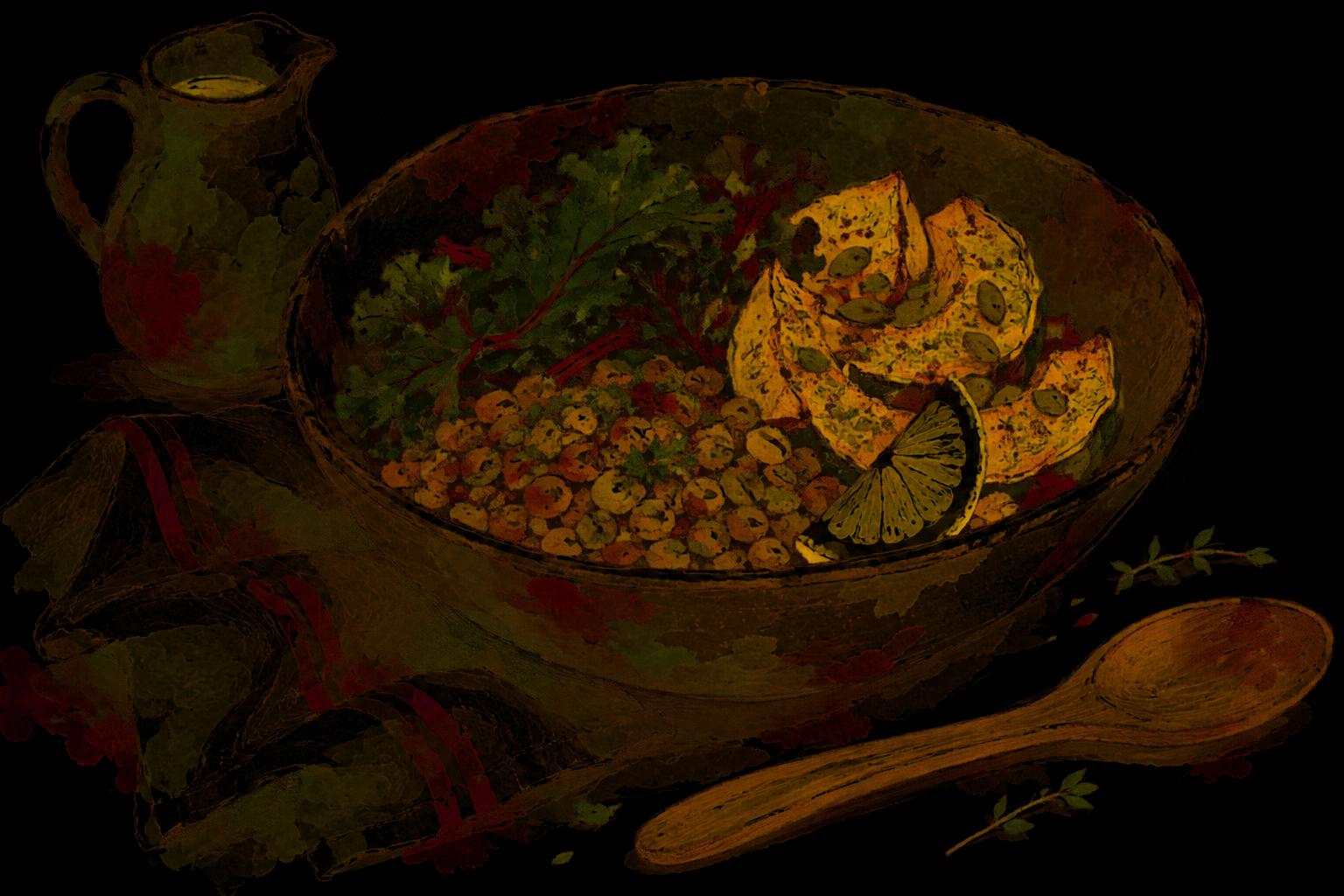
The best way to cook spaghetti squash is to halve it, scoop out the seeds and roast it cut side down at 400°F (200°C) for about 30 to 45 minutes, until the shell gives a little when pressed. Then turn it over, let the steam escape for a few minutes and pull the strands out with a fork. The two things that make it watery are overcooking it and leaving the strands to sit in their own liquid, and both are easy to avoid.
I am a wellness coach, and I have eaten whole-food, plant-based for about thirty years, with no meat or dairy. Food is Right Feeding, the second petal of the Starflower, the method in my book, Lifetime Body by Design. Squash has always been one of the vegetables I keep in the kitchen, because it sits happily on the counter for weeks and turns into dinner with almost no work. Spaghetti squash, whose flesh separates into long strands like noodles, is the one many people try once, find soggy and never buy again. It deserves a second chance.
Choosing a spaghetti squash
- Pick one that feels heavy for its size, with a firm, even, pale yellow skin and no soft spots or cracks.
- A medium squash of about 3 pounds (1.4 kg) feeds two as a main dish or four as a side.
- It keeps. A whole, uncut squash stays good in a cool, dry place for several weeks. Once cut, wrap it and keep it in the fridge for a few days.
How to cut spaghetti squash safely
This is the part people dread, and with reason. The skin is hard and the squash is round, so a knife can skid. Take it slowly.
- Steady your board. Put a damp towel under the cutting board so it cannot slide.
- Soften it first if it is very hard. Pierce the skin in several places with a sharp knife, then microwave the whole squash for 3 to 5 minutes. Let it cool enough to handle. This makes cutting much easier.
- Trim the ends. Slice a thin piece off the stem end and the base, so the squash can stand up on a flat surface.
- Cut down, not across. Stand it on one flat end and cut down through the middle with a large, sturdy chef's knife, keeping your other hand flat on top, well away from the blade. If the knife sticks, do not wiggle it free with your fingers near the edge. Tap the back of the knife gently with your palm instead.
- Scoop the seeds out with a spoon, scraping away the stringy pulp around them.
The seeds roast well, just like pumpkin seeds: rinse, dry, toss with a pinch of salt and roast on a tray for 10 to 15 minutes alongside the squash, watching that they do not burn.
How to bake spaghetti squash in the oven
Roasted spaghetti squash has more flavor than steamed or microwaved, and the dry heat of the oven is the best defense against a watery result.
- Heat the oven to 400°F (200°C) and line a tray with parchment.
- Brush the cut sides very lightly with extra virgin olive oil, or skip the oil and rely on the parchment. Season with salt and pepper.
- Lay the halves cut side down on the tray. This lets the flesh steam gently in its own moisture and cook evenly.
- Roast for 30 to 45 minutes, depending on size. Start checking at 30. It is ready when the skin gives slightly when you press it and a fork goes in easily.
- Turn the halves cut side up and leave them for five minutes so the steam can escape. This short rest is what keeps the strands dry.
- Rake the flesh from the sides toward the middle with a fork, and it comes away in strands.
For the driest result of all, roast the halves cut side up for the whole time. The edges brown a little and more of the water evaporates, though the strands are slightly less even.
How long to cook spaghetti squash
These times are approximate. Ovens, microwaves and squashes all vary, so test with a fork near the end.
| Method | How to cut it | Heat | Approximate time | Notes |
|---|---|---|---|---|
| Roasted halves | Lengthwise, seeds out | 400°F (200°C) | 30 to 45 minutes | Best flavor; cut side down or up |
| Roasted rings | Crosswise into 1 inch (2.5 cm) rings | 400°F (200°C) | 20 to 30 minutes | Longest strands, cooks fastest |
| Whole, in the oven | Pierced all over | 375°F (190°C) | 60 to 90 minutes | No cutting raw squash; scoop seeds after |
| Microwave | Halves, cut side down in a dish with a little water | High | 10 to 15 minutes | Quick, but softer and wetter |
The strands of a spaghetti squash run around the squash, not from end to end, so cutting it crosswise into rings gives longer, more noodle-like strands. The rings also cook faster.
How to keep spaghetti squash from getting watery
If you have had a soggy plate before, one of these was probably the cause.
- It was overcooked. Spaghetti squash goes from tender to mushy quickly. Take it out when a fork goes in easily and the strands still have a little bite. They soften further as they cool.
- The steam had nowhere to go. Turn the halves over and let them rest before scraping.
- The strands sat in liquid. If there is water in the bottom of the shell, scrape the strands into a colander or onto a clean towel for a few minutes.
- The sauce was too thin. Thick sauces and dressings cling to the strands. Thin ones pool at the bottom of the bowl.
- It was stirred too much. Toss it gently, the way you would a salad, rather than stirring like pasta.
Take it out a few minutes early, and let the steam go before you scrape.
Three ways to serve roasted spaghetti squash
Spaghetti squash has a mild, slightly sweet taste, so it carries strong flavors well. It is lighter than pasta, so I always give it some protein to make it a meal.
1. Tomato, garlic and white beans. Soften a sliced onion and three cloves of garlic in a little olive oil, add a can of chopped tomatoes and simmer for 15 minutes until thick. Stir in a can of rinsed white beans and a handful of spinach. Spoon it over the strands with fresh basil and a spoon of nutritional yeast.
2. Lemon, tahini and chickpeas. Whisk 2 tablespoons of tahini with the juice of half a lemon, a crushed garlic clove and enough water to make it pourable. Toss with the warm strands, a can of roasted or warmed chickpeas, chopped parsley and a few toasted pumpkin seeds.
3. Ginger, peanut and tofu. Mix 2 tablespoons of peanut butter with a little soy sauce, grated ginger, lime juice and warm water. Toss with the strands, cubes of baked tofu or a handful of edamame, sliced scallions and shredded cabbage or carrot for crunch.
Leftovers and making it a habit
Cooked spaghetti squash keeps in a covered container in the fridge for a few days. Keep the strands and the sauce separate if you can, and reheat them in a dry pan for a few minutes so any extra water cooks off. Many people find it makes a good lunch the next day, stirred into soup or a grain bowl.
Roasting a squash on a Sunday, while the oven is already on for something else, is a small habit that gives you a ready vegetable for two or three meals. Small, repeatable steps like that are the stem of my method, and I wrote about why they last in how to build good habits. While the squash roasts, there is time for a short walk, which I wrote about in walking for exercise.
A few questions people ask me
Should I roast spaghetti squash cut side up or down? Cut side down gives the most even, tender strands. Cut side up gives a drier, slightly browned result. Both work; the rest afterward matters more than which way it faces.
How do I know when spaghetti squash is done? The skin gives a little when pressed, a fork slides in easily, and the strands pull away from the shell without effort. If they resist, give it another five to ten minutes.
Can I freeze spaghetti squash? You can, though it comes out softer. Freeze the cooked strands in a bag with the air pressed out, then thaw and drain well before heating, and use it in sauces or soups rather than as noodles.
Is spaghetti squash a substitute for pasta? It is its own vegetable, lighter and softer than pasta: a vegetable that happens to twirl.
There is more from my kitchen under Whole food nutrition, and if you are just starting to eat this way, begin with how to go plant-based. For guided sessions across the whole method, see Lifetime Body by Design.
This article is general information and one person's experience. It is not medical or dietary advice. Please speak to your doctor or a registered dietitian before making significant changes to how you eat.
Carol Pocock is a wellness coach, yoga teacher and the author of Lifetime Body by Design. Guided sessions are at Lifetime Body by Design. More about Carol.

