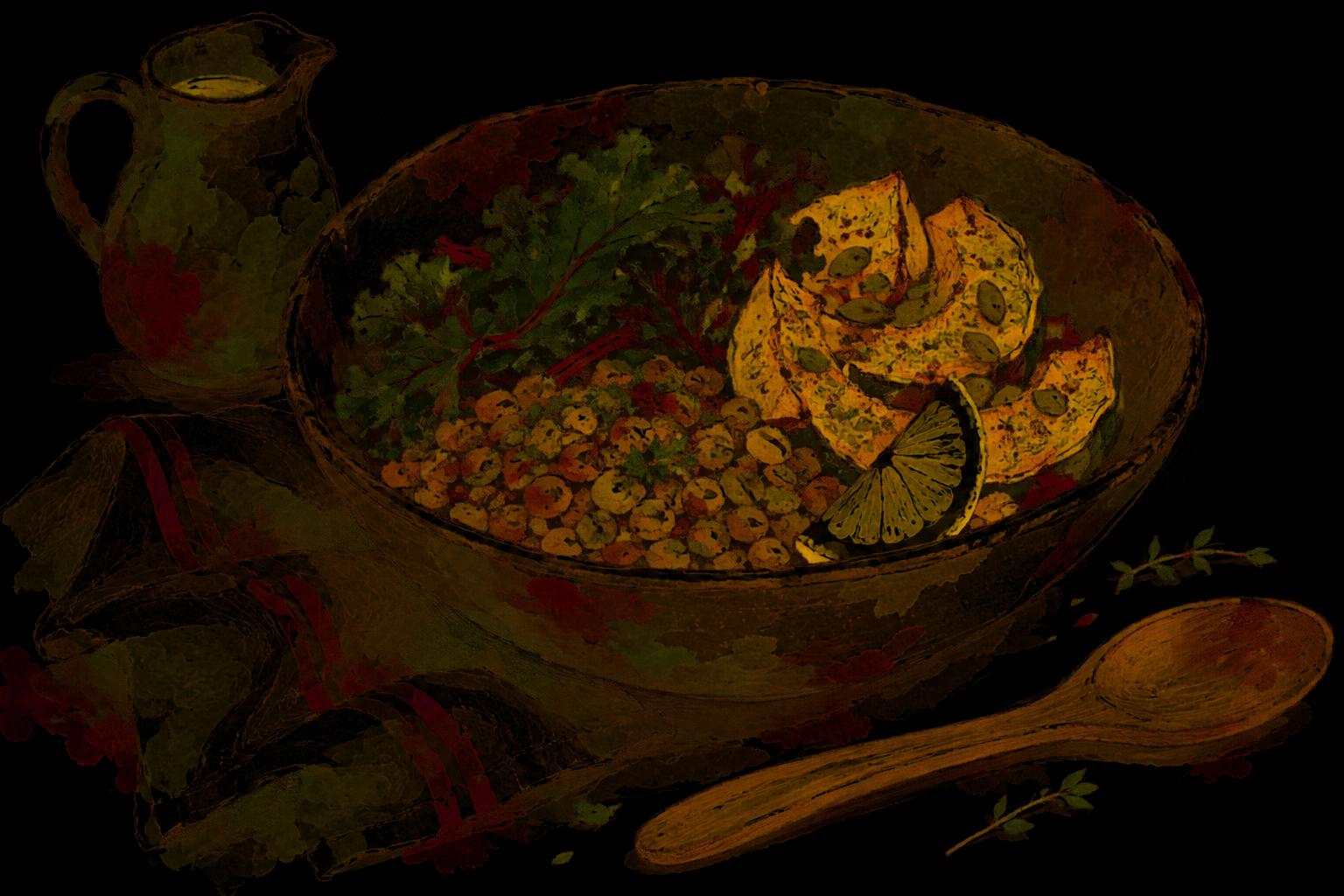
The simplest way to cook sweet potatoes is to bake them whole: scrub them, prick them with a fork and bake at 400°F (200°C) for about 45 minutes to an hour, until a knife slides in with no resistance. You can also roast them in cubes, steam them, boil them or cook one in the microwave in a few minutes. Below is how to cook sweet potatoes each of those five ways, with approximate times in one table, and what I do with them afterwards.
I am a wellness coach, and I have eaten whole-food, plant-based for about thirty years, with no meat or dairy, so sweet potatoes come through my kitchen most weeks. In my book, Lifetime Body by Design, food is Right Feeding, the second petal of the Starflower, the method the book is built on. A Right Action, in my language, is one plain thing done often enough that it becomes ordinary, and a tray of sweet potatoes in the oven is about as plain as cooking gets. They need no sauce, no sugar and almost no skill.
Sweet potatoes and yams: are they the same?
Not quite, though the labels make it confusing. True yams are a different plant altogether, from a separate botanical family, and you rarely see them outside specialist grocers. University of Illinois Extension notes that in the United States, the orange-fleshed roots many of us call yams are in fact sweet potatoes. So if your store sells "yams" with copper skin and orange flesh, everything in this piece applies.
There are several kinds of sweet potato. The orange ones are soft and moist when cooked. Varieties with purple or pale skin and white or cream flesh are drier and a little starchier, closer to an ordinary potato, and they often take a few minutes longer.
Five ways to cook sweet potatoes, with approximate times
These are the methods I use. Times are approximate and vary with the size and shape of the potato, the variety and your own oven, so test with a knife rather than trusting the clock.
| Method | How | Heat | Approximate time | Best for |
|---|---|---|---|---|
| Bake whole | Scrub, prick a few times, on a lined tray | 400°F (200°C) | 45 to 60 minutes for medium; longer for large | Stuffing, mashing, the sweetest result |
| Roast in cubes | 1-inch (2.5 cm) cubes, spread out, turned once | 425°F (220°C) | 25 to 35 minutes | Bowls, salads, side dishes |
| Steam | 1½-inch (4 cm) chunks in a steamer basket over simmering water | Medium | 15 to 20 minutes | Quick mash, soups, a gentle side |
| Boil | Chunks in boiling water, or whole | High, then a steady boil | Chunks 15 to 20 minutes; whole 30 to 45 minutes | Mash, soup, purée |
| Microwave | One medium potato, pricked, turned halfway | High | About 4 to 6 minutes, then rest 2 minutes | A fast lunch for one |
Clemson Cooperative Extension gives very similar figures: baking at 400°F for 40 to 50 minutes, boiling whole for 30 to 45 minutes depending on size, and about 4 to 6 minutes on high in the microwave for an 8-ounce (225 g) potato.
How to bake a sweet potato, and how long it takes
This is the method I would teach first. Choose potatoes of a similar size so they finish together. Scrub them well under the tap, because you will want to eat the skin, and prick each one three or four times with a fork so steam can escape.
Put them on a tray lined with parchment, because the juice that seeps out turns to a sticky caramel that welds itself to bare metal. No oil is needed. Bake at 400°F (200°C) and start checking at 45 minutes. A medium sweet potato is usually done somewhere between 45 minutes and an hour; a large one can take an hour and a quarter.
It is ready when a thin knife goes through the thickest part as easily as it goes through butter, and the skin has started to pucker and pull away. If you see dark syrup bubbling out of the holes, that is a good sign, not a burnt one. Many cooks find a long, gentle bake gives a sweeter, more custardy inside than any quicker method, and I agree.
How to roast sweet potatoes so they brown
Roasted cubes are a different food from a baked whole potato: crisp at the edges, soft in the middle and much quicker. Cut the potatoes into even 1-inch (2.5 cm) cubes; peeling is optional. Toss them with a teaspoon of extra virgin olive oil per large potato, a pinch of salt and whatever spice you like, or skip the oil entirely and roast them on parchment.
The one rule is space. Spread the cubes in a single layer with a little room between each piece. Crowd the tray and they steam instead of brown. Roast at 425°F (220°C) for 25 to 35 minutes, turning them once about halfway, until the edges are dark gold.
I make a large tray at the start of the week, and those cubes turn up in a grain bowl for lunch and in salads for days.
How to boil or steam sweet potatoes
Boiling has a poor reputation, but it is the right method when you want mash or soup. Peel the potatoes if you want a smooth mash, cut them into chunks of a similar size, and drop them into a pot of boiling salted water. Simmer for 15 to 20 minutes, until they fall apart when pressed with a fork. Drain them well and let them sit in the colander for a minute so the steam carries off extra water; wet mash is the usual complaint.
Steaming keeps a little more flavor in the potato, because it is not sitting in water. Put the chunks in a steamer basket over an inch or two of simmering water, cover, and cook for 15 to 20 minutes.
For mash I use no butter or cream. A spoon of tahini or a splash of unsweetened plant milk makes it smooth, and roasted garlic, black pepper and a squeeze of lime make it taste of something. Cinnamon and a pinch of nutmeg take it the other way, which is lovely at breakfast.
Seasoning without sugar
Sweet potatoes are sweet enough on their own, so I never add brown sugar, syrup or marshmallows. What they want is the opposite: something savory, sharp or warm to balance them.
- Smoky: smoked paprika, cumin and a little chili.
- Bright: lime juice, cilantro and a few scallions.
- Rich: a spoon of tahini thinned with lemon, or a little white miso stirred into the mash.
- Warm: cinnamon, ginger and nutmeg.
- Herby: rosemary or thyme on roasted cubes, with garlic.
A baked sweet potato split open and filled with black beans warmed with cumin, salsa and avocado is one of the easiest dinners I know; I wrote it up among my vegan dinner ideas.
A sweet potato asks for an oven and some patience, and very little else.
Storing raw and cooked sweet potatoes
Keep raw sweet potatoes out of the fridge. Clemson Cooperative Extension advises against refrigerating them, because the cold can cause dark spots and off-flavors, and suggests a dry, well-ventilated place instead. A basket in a cool corner of the kitchen is fine. Wash them only when you are about to cook them.
Cooked sweet potatoes are the opposite: let them cool, then cover them and put them in the fridge, and eat them within a few days. Baked ones reheat well in the oven, and many people like them cold.
Cooking a tray at once is the small habit that makes the rest easy. If you want to know why one repeated action matters more than a big plan, I wrote about it in how to build good habits. And while a tray of potatoes bakes for an hour, I would rather be outside; I explained why in walking for exercise.
A few questions people ask me
Do you have to peel sweet potatoes? No. Scrub them well and the skin is good to eat, especially when baked or roasted. I peel them only for a very smooth mash or soup.
Why is my baked sweet potato still hard in the middle? It usually needs more time, not more heat. Large or thick potatoes can take well over an hour. Put it back and check every ten minutes.
Can I cook sweet potatoes ahead for the week? Yes. Bake or roast a tray, cool it, keep it covered in the fridge and use it within a few days in bowls, salads, soups and mash.
Are sweet potatoes better than white potatoes? Both are whole foods, and I eat both. Choose whichever you enjoy, and keep them as plain as you can. If you have a medical condition that affects what you eat, ask your doctor or a registered dietitian.
There is more from my kitchen under Whole food nutrition, and if you are just starting out, begin with how to go plant-based. For guided sessions across the whole method, see Lifetime Body by Design.
This article is general information and one person's experience. It is not medical or dietary advice. Please speak to your doctor or a registered dietitian before making significant changes to how you eat.
Carol Pocock is a wellness coach, yoga teacher and the author of Lifetime Body by Design. Guided sessions are at Lifetime Body by Design. More about Carol.

