Whole food nutrition
How to eat more vegetables without thinking about it
By Carol Pocock8 minute read
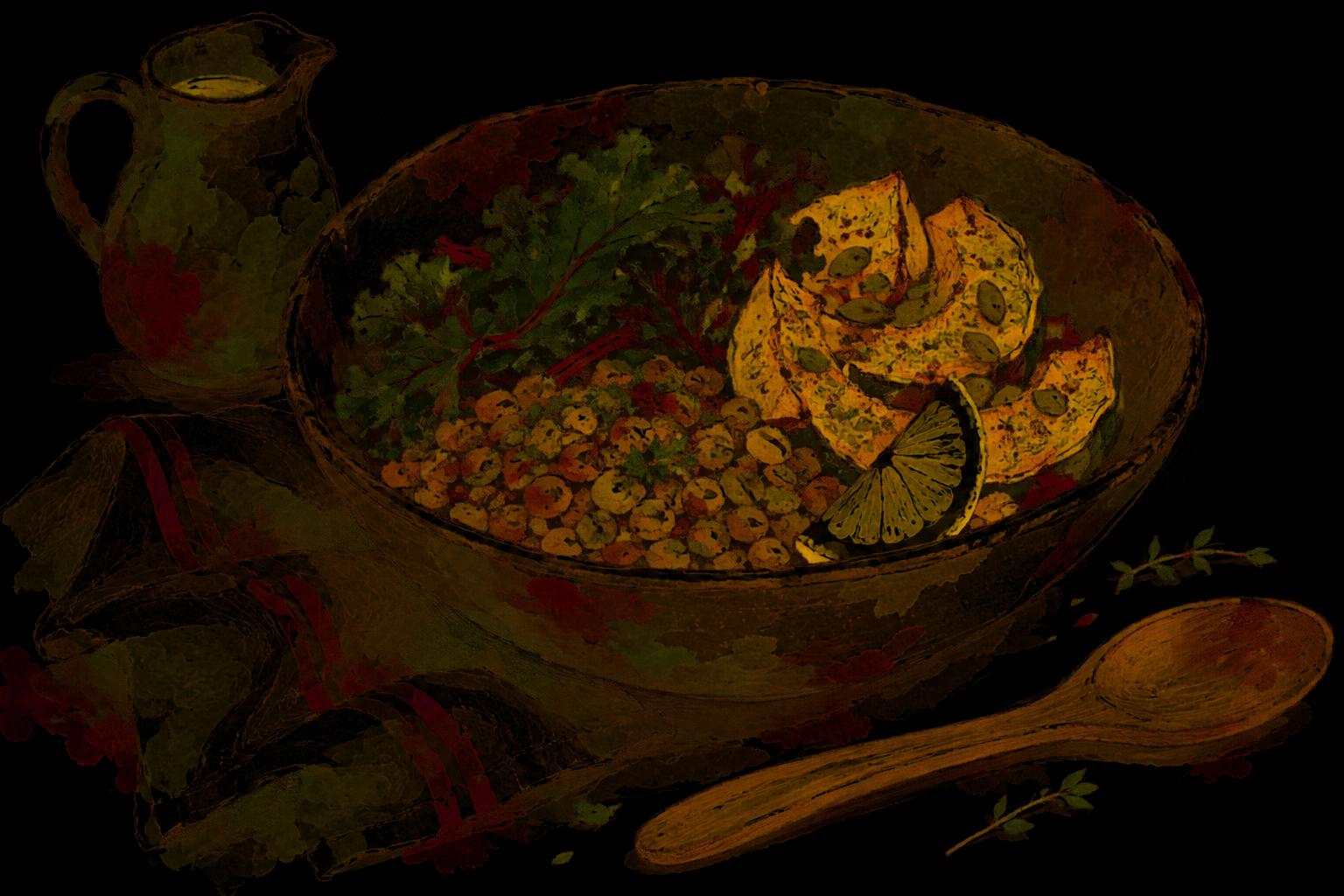
The simplest way to eat more vegetables is to add them to what you already eat, rather than starting a new way of eating. Put a handful of something green into the soup, the pasta sauce or the sandwich you were going to have anyway, keep a bag of frozen vegetables in the freezer, and try one new vegetable a week. If that means more fiber than you are used to, raise it slowly and drink water through the day.
I am a wellness coach, and I have eaten whole-food, plant-based for about thirty years, with no meat or dairy. I did not get to all those vegetables by willpower, but by making them the easy choice, one small habit at a time. Food is Right Feeding, the second petal of the Starflower, the method in my book, Lifetime Body by Design. If you are thinking about a bigger change, the petal's main piece is how to go plant-based. This one is smaller: more vegetables, whatever else you eat.
Add, don't overhaul
Most attempts to eat better start with a list of things to stop, which asks you to feel deprived several times a day. I would rather start with what to add.
When you add vegetables to a meal, two things happen. The meal gets bigger and more colorful, and there is a little less room for whatever was there before. I call this crowding out. You are not banning anything. You are simply filling the plate with better things first, and over time the balance shifts on its own.
There is a line from my book I come back to often: we can learn to "eat what we want by learning to want what we need." Tastes do change. They change faster when you are adding something you enjoy than when you are fighting something you miss.
Put vegetables into meals you already make
You do not need new recipes to start. Look at what you ate this week, pick the meals you make most often, and ask what vegetable could go in. Here are some easy places to begin.
| Meal you already make | What to add |
|---|---|
| Oats or porridge | Grated carrot or zucchini with cinnamon, stirred in while it cooks |
| Toast | Sliced tomato, cucumber or a handful of spinach on top |
| Soup | A bag of frozen peas or a few chopped greens in the last five minutes |
| Pasta with tomato sauce | Grated carrot, chopped peppers or mushrooms cooked into the sauce |
| Curry or chili | Cubed squash, cauliflower or a can of beans and a bag of spinach |
| Rice or another grain | A tray of roasted vegetables alongside, or frozen mixed vegetables stirred through |
| A sandwich or wrap | Shredded cabbage, grated carrot, sprouts or lettuce |
Aim for some vegetable at every meal, even breakfast, before you worry about how much. Bigger portions come easily once the habit is there.
Frozen and canned vegetables count
Frozen vegetables are not second best. They are usually frozen soon after picking, they do not go limp in the drawer, and they are already washed and chopped. Peas, spinach, broccoli, green beans, corn and mixed stir-fry vegetables are all in my freezer most of the time. On a tired evening, they are the difference between a vegetable and no vegetable.
Canned vegetables are fine too. Canned tomatoes are one of the most useful things in any kitchen. For other canned vegetables and beans, look for ones without added salt or sugar, and rinse them if you like. I wrote more about telling a whole food from a food product in what are whole foods?
One new vegetable a week
Most of us eat the same five or six vegetables on repeat. That is fine as a base, but it gets boring, and boredom is where habits fall apart. So once a week, buy one vegetable you do not usually eat. Fennel, kohlrabi, bok choy, celeriac, a different color of cabbage, whatever is in season and looks good.
Keep it simple the first time. Roast it with a little extra virgin olive oil, add it to a soup, or slice it thin into a salad. If you do not like it, that is useful information, not a failure. Try a different cooking method once, then move on. A few of them will become regulars.
Make vegetables the easy thing to reach
A vegetable in a bag at the back of the fridge is a vegetable you will throw away. One that is washed, chopped and at eye level is one you will eat. Most of eating more vegetables, in my experience, is about where they are when you are hungry.
- Prep ahead. Once or twice a week, wash greens, chop carrots, peppers and cucumber, and keep them in clear containers at the front of the fridge. I set out a full session in vegan meal prep.
- Have a big salad. A large bowl of greens with raw and roasted vegetables, a scoop of beans and a few seeds can be a whole lunch. With the vegetables already chopped, it takes minutes.
- Turn the ends into soup. Vegetables starting to soften, the last of the celery, a half onion: into a pot with some stock, lentils or beans, and simmer until soft. Nothing is wasted.
The vegetable you can reach is the vegetable you will eat.
How to eat more fiber without the discomfort
Vegetables, beans, lentils and whole grains bring fiber with them. That is part of why many people find meals built this way keep them satisfied for longer. But if you are used to eating very little fiber, a sudden jump can leave you bloated and windy for a while. That is common, and it is one reason people give up in the first couple of weeks.
A few things help.
- Increase it gradually. Add one or two vegetable portions a day for a week or so before adding more. The same goes for beans and lentils.
- Drink water through the day. Fiber works best with enough fluid, so as you eat more of it, drink more water too.
- Cook some, eat some raw. Many people find cooked vegetables easier to digest than large amounts of raw ones at first.
- Give it a few weeks. For most people, digestion settles as it gets used to the change.
If you have a digestive condition, such as irritable bowel syndrome or an inflammatory bowel disease, or if your doctor has ever told you to limit fiber, please ask your doctor or a registered dietitian before you change how much you eat. The same goes if you take a blood-thinning medicine, since a big change in how many leafy greens you eat can matter for some of these. Your doctor can tell you what is right for you.
How to eat more whole foods, one plate at a time
Vegetables are the easiest door into whole-food eating, because nobody argues with a carrot. Once they are a normal part of every meal, the rest tends to follow. A plate with plenty of vegetables has less room for the packet foods, and it often leads naturally to beans, lentils and whole grains alongside.
I would still go one change at a time. Pick one meal, add a vegetable to it every day for a couple of weeks, and only then pick the next. That is how a habit takes root, and it is the stem of the Starflower. I wrote more about it in how to build good habits. If you would like company while you change things, my guided sessions live at Lifetime Body by Design.
A few questions people ask me
What is the easiest way to eat more vegetables? Add one to a meal you already make. A handful of frozen peas in the soup or spinach in the sauce is a real start, and it needs no new recipes.
Are frozen vegetables as good as fresh? For everyday cooking, they are a very good choice. They keep well, waste less and are ready when you are tired. Fresh and frozen together is how most of my weeks work.
How many vegetables should I eat a day? I would not chase a number at first. Aim for some vegetable at every meal, then make the portions a little bigger. If you want specific guidance for your own health, a doctor or registered dietitian can help.
What if I do not like vegetables? Start with the ones you mind least, cook them in ways you enjoy, and hide a few in sauces and soups. Try one new one a week. Tastes change more than most people expect.
There is more from my kitchen under Whole food nutrition, starting with how to go plant-based. If you would like to pair your meals with a little more movement, read walking for exercise.
This article is general information and one person's experience. It is not medical or dietary advice. Please speak to your doctor or a registered dietitian before making significant changes to how you eat, especially if you have a digestive condition, a health condition or take regular medication.
Carol Pocock is a wellness coach, yoga teacher and the author of Lifetime Body by Design. Guided sessions are at Lifetime Body by Design. More about Carol.

