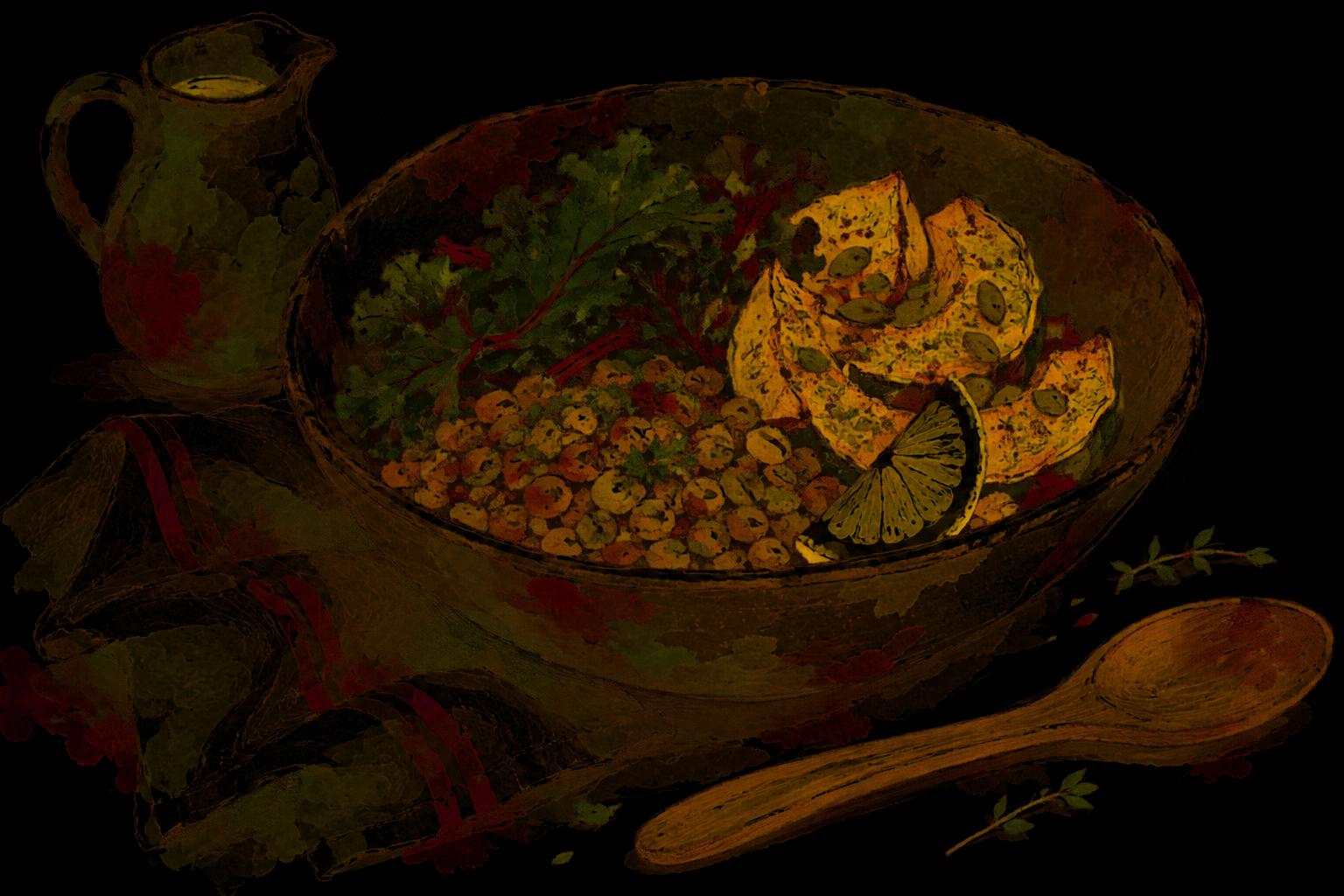
A good lentil soup needs one onion, a few vegetables, a cup and a half of lentils, a can of tomatoes and about forty minutes, most of which you spend doing something else. Below is the master recipe I come back to week after week, with quantities, followed by three variations, including a quick red lentil soup, so the same pot can carry you through the whole year. If you want the basics of cooking lentils on their own first, I set out water ratios and times by type in how to cook lentils, and I will not repeat them here.
I am a wellness coach, and I have eaten whole-food, plant-based for about thirty years, with no meat or dairy. That means no animal foods, and also food that is mostly whole and minimally processed, so this soup has no cream, no butter and no ready-made stock cubes full of things I cannot pronounce. In my book, Lifetime Body by Design, food is Right Feeding, the second petal of the Starflower, the method the book is built on. Soup is close to the heart of that petal for me, because it turns whatever is in the vegetable drawer into a meal.
What makes a good lentil soup
Three things, in my experience, and none of them is a secret ingredient.
- A proper base. The onion, carrot and celery need time to soften before anything else goes in. Ten minutes here does more for the flavor than any spice.
- Enough liquid, added in stages. Lentils drink. A soup that looks thin at the start can turn into a stew by the end, so keep the kettle warm.
- Something bright at the finish. A squeeze of lemon or a splash of vinegar just before serving is what makes people ask for the recipe.
Get those right and almost any vegetable, herb or spice you add will work.
Which lentils to use for soup
For the master recipe I use brown or green lentils. They soften but mostly keep their shape, so the soup has body without turning to purée. Red lentils collapse completely and make a smooth, golden soup in about half the time; that is the first variation below. Small dark French green or black lentils stay firm and are lovely, but they are better in salads, and they cost more.
Whichever you choose, rinse them and pick out any small stones. No soaking needed.
My master lentil soup recipe
This makes four to six bowls. Cooking for one or two, I eat it twice and freeze the rest.
Ingredients
- 1 tablespoon extra virgin olive oil, or a splash of water
- 1 large onion, chopped
- 2 carrots, diced
- 2 sticks of celery, diced
- 4 cloves garlic, chopped
- 1 teaspoon ground cumin
- 1 teaspoon smoked paprika
- ½ teaspoon ground turmeric
- 1½ cups (about 300 g) brown or green lentils, rinsed
- 1 can (14 oz, about 400 g) chopped tomatoes
- 6 cups (about 1.4 liters) vegetable stock or water, plus more as needed
- 1 bay leaf
- 2 large handfuls of spinach or chopped kale
- Juice of half a lemon
- Salt and black pepper
Method
- Warm the oil in a large, heavy pot over medium heat. Add the onion, carrot and celery with a pinch of salt and cook gently, stirring now and then, for about ten minutes, until soft and starting to color. If you are cooking without oil, add water a spoonful at a time whenever the pan looks dry.
- Add the garlic and the spices and stir for a minute, until they smell toasted.
- Tip in the lentils, the tomatoes, the stock and the bay leaf. Bring to a boil, then turn it down to a gentle simmer and half cover the pot.
- Simmer for 30 to 40 minutes, stirring now and then, until the lentils are tender all the way through. Times vary with the age of your lentils and the strength of your simmer, so start tasting at 25 minutes. Add hot water if it thickens more than you like.
- Take out the bay leaf. Stir in the greens and let them wilt for two minutes.
- Off the heat, add the lemon juice, then taste and season. Go easy on the salt if your stock already has some.
If you want it creamier without cream, ladle out two cups, blend them and stir them back in.
Soup is how a vegetable drawer becomes dinner instead of compost.
Three variations for every season
The master recipe is the frame. These are the three versions I rotate through the year, and each uses the same method with a few swaps.
| Variation | Lentils | What changes | Finish with |
|---|---|---|---|
| Golden red lentil soup | 1½ cups red lentils | Add a thumb of grated ginger with the garlic; use 5 cups liquid; simmer 20 minutes; blend smooth | Lemon and chopped cilantro |
| Winter squash and rosemary | Brown or green | Add 3 cups (about 400 g) diced squash or sweet potato with the lentils; swap paprika for a sprig of rosemary | A splash of red wine vinegar |
| Summer lemon and herb | Green | Skip the paprika; add 1 diced zucchini in the last 10 minutes; use chard for the greens | Plenty of lemon, parsley and dill |
Golden red lentil soup is the one to make when you have half an hour and nothing planned. Red lentils break down so completely that the soup thickens itself, and blending it makes it silky. It is the closest thing I know to comfort in a bowl.
Winter squash and rosemary is heartier, almost a stew. The squash softens into the broth and sweetens it without anything added. A spoon of the vinegar at the end keeps it from tasting heavy.
Summer lemon and herb is lighter and greener, and it is good served warm rather than hot on a summer evening. Lemon does more work here than in the others, so be generous.
Thick or thin, smooth or chunky
People argue about this, and there is no right answer. A few things I have learned:
- Too thick? Add hot water or stock a cup at a time. Lentil soup always thickens as it sits, and leftovers usually need loosening the next day.
- Too thin? Simmer it uncovered for ten minutes more, or blend a few ladles and stir them back in.
- Tastes flat? It almost always needs acid before it needs salt. Try more lemon first.
- Lentils still hard? Keep going. Older lentils take longer, and tomatoes can slow them a little.
Making it once and eating all week
Lentil soup is one of the easiest things to cook ahead, and that is most of why I make it. Let it cool quickly, cover it and get it into the fridge, then eat it within a few days. It freezes very well in portions; I use jars or tubs, leaving room at the top for the soup to expand. Reheat it gently until it is steaming hot all the way through, adding a splash of water as you go.
It is also where my vegetables go before they turn. A soft carrot, half a head of cauliflower, the last of the spinach: all of it goes in. As I put it in my book, "In my home, perishable foods never go to waste." Soup is the reason that is true.
A weekly pot is a small habit, which is exactly why it lasts. If you want help making it stick, I wrote about that in how to build good habits. A warm bowl at an early dinner also makes it easier to close the kitchen for the evening, which I wrote about in how to stop eating at night.
A few questions people ask me
How do I make vegan lentil soup taste rich without meat or cream? Give the onion base its full ten minutes, bloom the spices, use a good vegetable stock and finish with lemon. A spoon of miso stirred in at the end adds real depth.
Can I use canned lentils? Yes. Rinse them, add them in the last ten minutes and use about half the liquid. The soup will be quicker but a little less rich.
Is lentil soup filling enough for a meal? For me, yes, with a slice of whole-grain bread or a salad alongside. If you are new to lentils, start with a smaller bowl and build up, and if you have a digestive condition, ask your doctor first.
How do I make red lentil soup without a blender? Simmer it a few minutes longer and whisk it hard. Red lentils fall apart on their own, so it will be nearly smooth anyway.
There is more from my kitchen under Whole food nutrition, and if you are just starting out, begin with how to go plant-based. For guided sessions across the whole method, see Lifetime Body by Design.
This article is general information and one person's experience. It is not medical or dietary advice. Please speak to your doctor or a registered dietitian before making significant changes to how you eat.
Carol Pocock is a wellness coach, yoga teacher and the author of Lifetime Body by Design. Guided sessions are at Lifetime Body by Design. More about Carol.

