Whole food nutrition
Minestrone soup: a pot that uses up the whole vegetable drawer
By Carol Pocock8 minute read
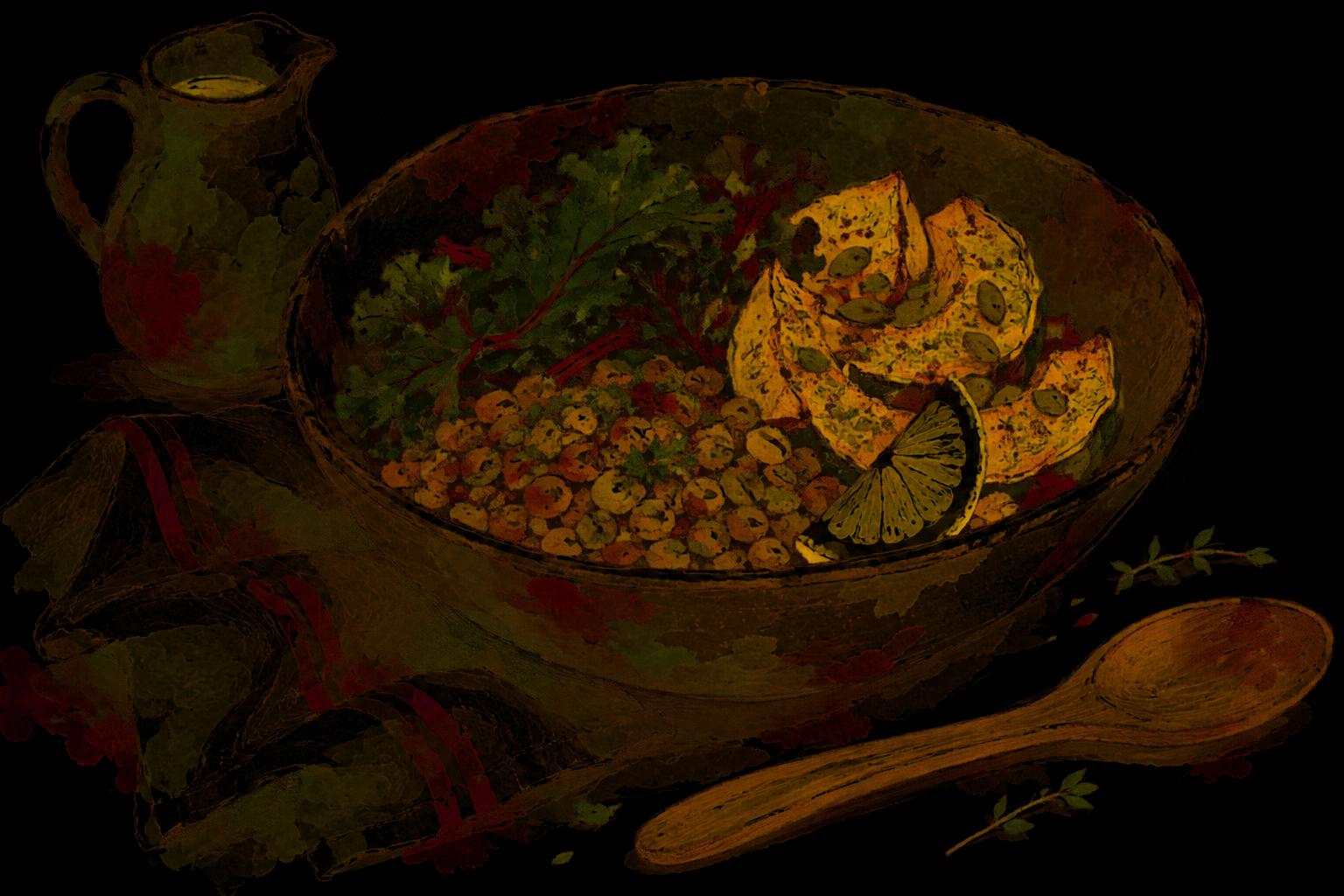
Minestrone soup is a pot of vegetables, beans, tomatoes and a little pasta, simmered in stock until everything tastes of everything else. It takes about an hour, most of it hands off, and it is less a fixed recipe than a way of turning the vegetable drawer into dinner. Below is my master version with quantities, and a table for changing it with the seasons.
I am a wellness coach, and I have eaten whole-food, plant-based for about thirty years, with no meat or dairy. In my book, Lifetime Body by Design, food is Right Feeding, the second petal of the Starflower, the method the book is built on. Whole-food, plant-based means no animal foods, and also food that is mostly whole and minimally processed. Minestrone fits that easily. The usual versions lean on a rind of cheese or a spoon of grated cheese at the end, and I will show you what I use instead, but the heart of the soup has always been vegetables and beans.
What goes into a vegan minestrone
Every minestrone I make has the same five parts, in roughly this order.
- A soft base. Onion, carrot and celery, cooked slowly until sweet. This is where most of the flavor comes from.
- Tomatoes. One can, for body and a little sharpness.
- Vegetables that need time. Potato, squash, cabbage, green beans: anything firm.
- Beans. White beans are traditional and creamy, but kidney, borlotti or chickpeas all work.
- Something small and starchy. Whole wheat pasta, brown rice or barley, in a modest amount. It is a soup, not a pasta dish.
Then greens and herbs at the end. If you keep those five parts in mind, you can make a good pot from almost anything.
My master minestrone soup recipe
This makes about six bowls. If you cook for one or two, as many people do, eat it twice and freeze the rest.
Ingredients
- 1 tablespoon extra virgin olive oil, or a splash of water
- 1 large onion, chopped
- 2 carrots, diced
- 2 sticks of celery, diced
- 4 cloves garlic, chopped
- 1 teaspoon dried oregano, or a few sprigs of fresh thyme
- 1 medium potato, diced (about 1 cup, 150 g)
- 1 zucchini or 2 handfuls of green beans, chopped
- 1 can (14 oz, about 400 g) chopped tomatoes
- 7 cups (about 1.7 liters) vegetable stock or water
- 1 bay leaf
- 1½ cups (about 250 g) cooked white beans, or one can, rinsed
- ½ cup (about 50 g) small whole wheat pasta, or ⅓ cup brown rice
- 2 large handfuls of chopped kale, chard or cabbage
- A handful of fresh basil or parsley
- A squeeze of lemon or a splash of red wine vinegar
- Salt and black pepper
Method
- Warm the oil in a large, heavy pot over medium heat. Add the onion, carrot and celery with a pinch of salt and cook gently for about ten minutes, stirring now and then, until soft and just starting to color. Without oil, add water a spoonful at a time when the pan looks dry.
- Stir in the garlic and the oregano or thyme for a minute.
- Add the potato, the tomatoes, the stock and the bay leaf. Bring to a boil, then turn down to a gentle simmer and half cover.
- After about 15 minutes, add the zucchini or green beans and the beans. Simmer another 10 minutes.
- Add the pasta or rice and cook until tender, usually 10 to 12 minutes for small pasta and closer to 30 for brown rice (add rice earlier, with the potato). Times vary with your pot and your simmer, so taste as you go.
- Stir in the greens for the last few minutes, until they wilt. Take out the bay leaf.
- Off the heat, add the herbs and the lemon or vinegar. Taste and season.
If you are cooking your own beans from dried, I explain soaking, times and the hard boil that kidney beans and cannellini need in how to cook dried beans. Canned beans are already cooked and go straight in.
Making it taste rich without cheese
People worry that a vegan minestrone will taste thin. In my kitchen it rarely does, and when it does, one of these fixes it.
- Give the base its full ten minutes. Rushing the onions is the most common reason a vegetable soup tastes flat.
- Mash some beans. Crush a ladle of beans against the side of the pot before you add them. They thicken the broth and make it silky.
- A spoon of miso or tomato paste. Stirred in near the end, either one adds depth that most people take for cheese.
- Nutritional yeast at the table. A spoonful over each bowl gives a savory, cheesy note.
- Acid last. Lemon or vinegar just before serving wakes the whole pot up. It almost always needs acid before it needs more salt.
A good minestrone is a list of whatever you have, cooked in the right order.
How to vary minestrone by season
The method stays the same all year. What changes is what goes in at step three and step four. These are the versions I rotate.
| Season | Vegetables | Beans | Herbs and finish |
|---|---|---|---|
| Spring | Leeks in the base, peas and chopped asparagus in the last 5 minutes | White beans | Lots of parsley, a little lemon zest |
| Summer | Zucchini, green beans, fresh chopped tomatoes in place of canned | White beans or borlotti | Fresh basil torn in at the end |
| Autumn | Diced winter squash or sweet potato with the potato | Chickpeas | Rosemary and a splash of red wine vinegar |
| Winter | Shredded cabbage and kale, an extra potato | Kidney beans | Thyme, black pepper, a spoon of miso |
None of these is a rule. If you have half a bag of spinach and a lonely carrot, that is your minestrone this week. A soft pepper, the stalks of a broccoli head, the outer leaves of a cabbage: all of it can go in. Many people find this is the soup that finally stops them throwing vegetables away, which is reason enough to make it.
Keeping the pasta from going soft
The one thing that spoils leftover minestrone is pasta that has sat in broth overnight and turned to mush. Two ways around it:
- Cook the pasta separately and add a spoonful to each bowl as you serve. The soup keeps its texture for days.
- Use brown rice or barley instead. They hold up better than pasta, though they still drink some of the broth.
Leftover minestrone always thickens. Loosen it with a splash of hot water or stock when you reheat it, and reheat it until it is steaming all the way through.
Making a pot every week
Cool the soup quickly, cover it and get it into the fridge, then eat it within a few days. It freezes well in portions, without the pasta, in jars or tubs with room at the top to expand.
A weekly pot of soup is the kind of small, repeatable habit that lasts, because it asks very little and pays you back all week. If you want help making a habit like this stick, I wrote about that in how to build good habits. A pot that simmers for half an hour on its own is also a good excuse for a short walk, which I wrote about in walking for exercise.
As I put it in my book, "Right Feeding is a joyful experience." A big, colorful pot on the stove on a cold evening is one of the plainest ways I know to feel that.
If you like this kind of cooking, my lentil soup uses the same base and is quicker still.
A few questions people ask me
Is minestrone soup the same as vegetable soup? It is a kind of vegetable soup, but with beans, tomatoes and something starchy, so it eats like a full meal rather than a starter.
Can I make minestrone without pasta? Yes. Leave it out, or use brown rice, barley or an extra potato. Many people prefer it that way, especially for leftovers.
Which beans are best in minestrone? White beans such as cannellini are the classic, because they turn creamy. Borlotti, kidney beans and chickpeas all work well. If you cook kidney beans or cannellini from dried, boil them hard first, as I explain in the beans piece.
Can I make it in a slow cooker? You can, using canned or fully cooked beans, never raw dried kidney beans. Add the pasta and greens at the end, on the stove or in the last half hour.
There is more from my kitchen under Whole food nutrition, and if you are just starting out, begin with how to go plant-based. For guided sessions across the whole method, see Lifetime Body by Design.
This article is general information and one person's experience. It is not medical or dietary advice. Please speak to your doctor or a registered dietitian before making significant changes to how you eat.
Carol Pocock is a wellness coach, yoga teacher and the author of Lifetime Body by Design. Guided sessions are at Lifetime Body by Design. More about Carol.

