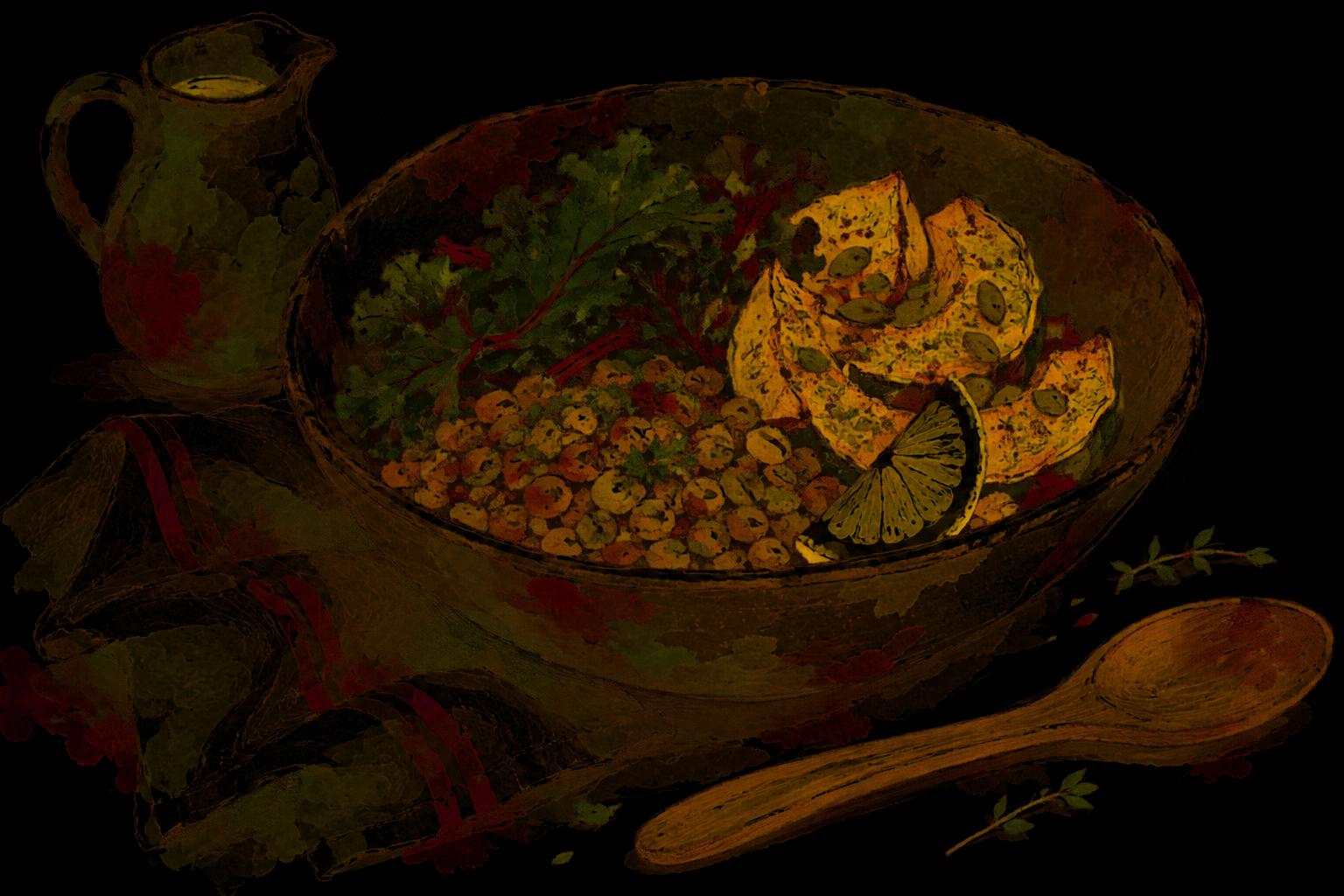
Oat groats are whole oat kernels: the oat as it comes from the field, cleaned, with only the tough outer hull taken off. To cook them, simmer one cup of groats in about four cups of water with a pinch of salt for around an hour, until they are tender and chewy, or soak them overnight so the morning simmer is shorter. They cook up more like brown rice than porridge, which is the whole point of them.
I am a wellness coach, and I have eaten whole-food, plant-based for about thirty years, with no meat or dairy and no added sugar. I have already written about the two oats most people buy: how to cook oatmeal compares every kind on the shelf, and steel cut oats covers the chopped kind and how to batch it. This piece is about the one that sits behind both of them, the whole groat, and it is a different food in the bowl: separate, chewy grains you can eat sweet at breakfast or savory at dinner.
What are oat groats?
The Whole Grains Council describes whole oat groats as what you get from "simply harvesting oats, cleaning them, and removing their inedible hulls." Nothing is cut, rolled or steamed. Every other oat starts here.
- Steel cut oats are groats chopped into a few pieces with a metal blade.
- Scottish oats are groats stone-ground into broken bits of different sizes.
- Rolled oats, also called old-fashioned oats, are groats steamed and then rolled flat.
Each step makes the oat cook faster and softer. The groat, with nothing done to it, takes longer and keeps more bite. On the bag you may see them sold as whole oat groats, oat berries or hulled oats. They look like small, pale, slightly hairy grains of brown rice.
Oat groats vs steel cut oats
They are the same grain, so the difference is in the pot and on the spoon.
| Oat groats | Steel cut oats | |
|---|---|---|
| What they are | The whole kernel | The kernel chopped into pieces |
| Water per 1 cup dry | About 4 cups | About 3 to 4 cups |
| Approximate stovetop time | About 60 minutes | About 20 to 30 minutes |
| Texture | Separate, chewy, springy grains | Thick porridge with chewy bits |
| Best for | Grain bowls, savory sides, a chewy breakfast | Porridge |
The water and times for groats and steel cut oats come from the Whole Grains Council's oat cooking guide, which gives four cups of water to one cup of oats for both, with about 60 minutes for groats and 30 for steel cut. Stoves, pots and brands vary, so treat them as a starting point and taste.
For creamy porridge, buy steel cut or rolled oats. For something to put under roasted vegetables, or eat cold in a salad, buy groats.
How to cook oat groats on the stove
This is the plain method. It makes enough for three or four servings, which is the amount worth cooking, since they keep well.
You need:
- 1 cup (about 180 g) whole oat groats
- 4 cups (about 1 liter) water
- A small pinch of salt
Method:
- Tip the groats into a sieve and rinse them under cold water. Pick out anything that is not a grain.
- If you like a deeper, nuttier flavor, toast the drained groats in the dry pot over medium heat for a few minutes, stirring, until they smell toasty. No oil needed.
- Add the water and salt and bring it to a boil.
- Turn the heat down to a gentle simmer, cover with the lid slightly open, and cook for about 50 to 60 minutes. Stir now and then, and add a splash of hot water if it looks dry before they are done.
- Start tasting at 45 minutes. They are ready when they are tender all the way through but still springy. Some will have burst open; that is fine.
- If there is water left, drain it off for separate grains, or leave it in and simmer a few minutes more for a looser, porridge-like pot.
For a breakfast bowl, cook them in half water and half unsweetened soy milk, but add the milk for the last 20 minutes only. Plant milk catches on the bottom much more easily than water.
The overnight soak method
An hour is a long time on a weekday, so this is how I would cut it down.
Soak in cold water. Put the rinsed groats in the pot with their four cups of water and leave them, covered, overnight or for most of a day. In the morning, bring them to a boil and simmer. Soaked groats soften sooner, often in something closer to half an hour, but it varies a great deal, so taste rather than watch the clock.
Boil the night before. The Whole Grains Council suggests a make-ahead trick for oats: bring the water to a boil the night before, add the oats, and leave them covered on the stove. With groats, I would boil them for a few minutes first, then turn the heat off, put the lid on and go to bed. In the morning they need a shorter simmer to finish.
Cook a batch. The simplest of all. Cook the full pot once, let it cool, and keep it covered in the fridge. The CDC advises refrigerating cooked leftovers within 2 hours, or within 1 hour if they have been somewhere above 90°F. Eat them within a few days. Cold cooked groats stay as separate grains, so a spoonful goes into a bowl, a salad or a pan without any fuss.
A slow grain is only slow once. Cook it on a quiet evening and it is fast for the rest of the week.
This is how a habit gets easier: the good choice is already made and waiting in the fridge. I wrote about that idea in how to build good habits. It belongs to Right Feeding, the second petal of the Starflower, the method in my book, Lifetime Body by Design, and like most of that petal it depends more on the stem, Right Habits, than on any recipe.
Ways to eat whole oat groats
Because they hold their shape, groats go places porridge oats cannot.
- Warm breakfast. Reheat a portion with a splash of water, stir in grated apple and cinnamon, and top with chopped walnuts. Sweetness comes from the fruit.
- Berry bowl. Warm groats with frozen berries stirred in until they burst, and a spoon of ground flaxseed on top.
- Grain bowl. A scoop of groats under roasted vegetables, a handful of greens, some cooked beans or lentils and a spoon of tahini thinned with lemon.
- Savory side. Toss warm groats with sautéed mushrooms, garlic and thyme in a little extra virgin olive oil, or in a splash of water for no oil.
- Cold salad. Cooked groats, chopped cucumber, tomato, parsley, lemon juice and a pinch of salt. It keeps its chew for days in the fridge.
If you are used to sugar or syrup on your oats, a plain bowl may taste flat for a week or two. Then the fruit starts to taste sweet on its own. I wrote more about that in how to quit sugar.
A note on buying and storing
Groats are sold in bulk bins, natural food shops and online, usually in the same aisle as other whole grains. Buy from somewhere with steady turnover, keep them in a sealed jar somewhere cool and dark, and smell them before you cook: whole grains with a bitter or stale smell are past their best.
If you need to avoid gluten, read the label. The Celiac Disease Foundation lists oats among foods that are easily contaminated through cross-contact, and advises looking for oats specifically labeled gluten-free. Ask your doctor or a dietitian what is right for you.
A few questions people ask me
How long do oat groats take to cook? About an hour on the stove from dry, with four cups of water to one cup of groats. Soaking them overnight shortens it. Times vary with the brand and your stove, so start tasting at 45 minutes.
Can I cook oat groats in a pressure cooker or rice cooker? Yes, many people do. Follow your own cooker's manual for whole grains, since models differ.
Are oat groats better than steel cut oats? Neither is more of a whole food. They are the same grain, cut or not. Groats are chewier and slower; steel cut oats make a softer porridge. Choose by how you want to eat them.
Can I eat them every day? Many people eat oats most days. If you are new to high-fiber whole grains, start with smaller bowls and plenty of water, and if you have a digestive condition, ask your doctor first.
There is more from my kitchen under Whole food nutrition, and if you are new to eating this way, start with how to go plant-based. A chewy bowl of groats at breakfast is one of the things that helps me stop snacking before lunch. For other slow whole grains, see how to cook barley. For guided sessions across the whole method, see Lifetime Body by Design.
This article is general information and one person's experience. It is not medical or dietary advice. Please speak to your doctor or a registered dietitian before making significant changes to how you eat.
Carol Pocock is a wellness coach, yoga teacher and the author of Lifetime Body by Design. Guided sessions are at Lifetime Body by Design. More about Carol.

