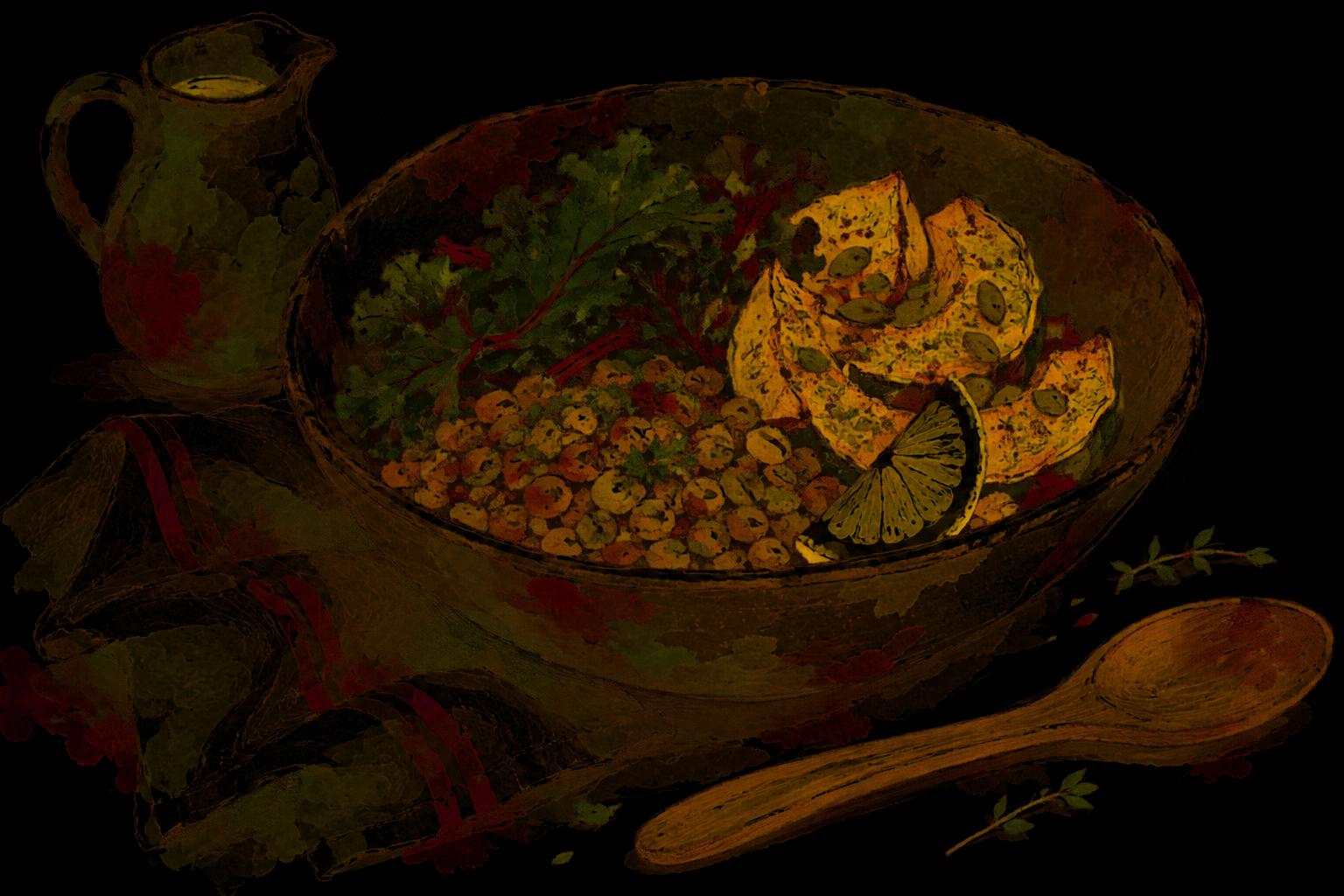
To cook barley, rinse it, then simmer it in plenty of salted water like pasta until it is tender but still chewy: about 30 minutes for pearl barley and about an hour for hulled barley. Drain it well and it is ready. If you prefer to measure, use roughly three cups of water to one cup of barley, cover the pot and simmer until the water is gone. That is how to cook barley in either form, and the rest of this piece is the detail.
I am a wellness coach, and I have eaten whole-food, plant-based for about thirty years, with no meat or dairy. Barley is one of the grains I think more people would cook if they knew how easy it is. It is cheap, it keeps for months in the cupboard, and it has a soft chew and a mild, slightly sweet taste that makes a thin soup feel like a meal.
Where barley fits in the way I eat
In my book, Lifetime Body by Design, food is Right Feeding, the second petal of the Starflower. Each petal is a "Right Action", one part of a healthy life practiced until it becomes ordinary, and Right Feeding is about whole foods eaten close to the way they grow. A grain you buy as a dry kernel and cook yourself fits that well. I set out the whole petal in how to go plant-based.
Barley also has a close cousin on this site. It looks and eats a lot like farro, and I compared the two in what is farro. In most dishes you can swap one for the other and change only the cooking time.
Pearl barley vs hulled barley
Barley grows with a tough, inedible hull, and what you buy depends on how much of the grain was taken off with it.
- Hulled barley has had only the outer hull removed, so most of the bran stays on. It is brown, very chewy and slow to cook. The Whole Grains Council counts hulled barley as a whole grain.
- Hulless barley is a type that grows without that tough hull, so it needs less processing. It cooks much like hulled barley, and the Whole Grains Council counts it as a whole grain too.
- Pearl barley (or pearled barley) has been polished to remove the bran as well. It is pale, softer and quicker to cook. The Whole Grains Council says pearl barley is not a whole grain, though it still calls even pearl barley a good choice, because barley keeps more of its fiber through polishing than many grains do.
So which should you buy? If you want the whole grain, look for "hulled" or "hulless" on the bag. Pearl barley is the one most supermarkets stock, and it is the easier place to start, especially in soup. I keep both.
How long to cook barley, with ratios
These are the amounts I use. They are approximate: barley, pots and stoves all vary, so start tasting before the time is up.
| Barley | Water, absorption method | Simmer time | Makes about |
|---|---|---|---|
| Pearl, 1 cup (about 200 g) | 3 cups (about 720 ml) | 25 to 35 minutes | 3 to 3½ cups cooked |
| Hulled or hulless, 1 cup (about 185 g) | 3 to 4 cups (720 to 950 ml) | 50 minutes to 1 hour 15 minutes | 3 to 3½ cups cooked |
| Hulled, soaked overnight | 3 cups (about 720 ml) | 35 to 45 minutes | 3 to 3½ cups cooked |
Barley is done when it is tender all the way through but still has a little spring when you bite it. Pearl barley turns plump and soft; hulled barley stays chewier, and that is how it should be.
How to cook barley on the stove
There are two ways, and I use the first most often.
The pasta method. Rinse 1 cup of barley in a sieve under cold water. Bring a large pot of water to a boil, add a good pinch of salt and the barley, and simmer, uncovered, until tender. Drain it well in a sieve. You do not need to measure, it cannot boil dry, and the extra water carries off some of the starch, so the grains come out separate rather than sticky.
The absorption method. Put 1 cup of rinsed barley in a pot with the water from the table above and a pinch of salt. Bring it to a boil, cover it, turn the heat down low and simmer until the water is absorbed. Take it off the heat and leave the lid on for ten minutes, then fluff it with a fork. If the barley is cooked and water remains, drain it off; if the pot is dry and the barley still hard, add a splash of hot water and keep going.
A few small things help:
- Toast it first. Stir the dry, drained barley in the pot over medium heat for two or three minutes until it smells nutty, then add the water.
- Flavor the water. A bay leaf, a smashed clove of garlic, a sprig of thyme or low-salt vegetable broth in place of water all go into the grain.
- Soak hulled barley. Covering it with water overnight is optional, but it shortens the cooking time.
A pot of barley on a Sunday is half of several meals already made.
Is barley gluten free?
No. Barley contains gluten. The Celiac Disease Foundation lists barley among the grains that contain gluten, and notes that many soups contain it as well. If you have celiac disease, a wheat or gluten sensitivity, or have been told to avoid gluten, barley is not for you, and your doctor or a dietitian can help you choose other grains. Brown rice, quinoa, millet and buckwheat fill the same place in a meal, and I have written about how to cook brown rice and how to cook quinoa.
Barley recipes to start from
These are combinations rather than strict recipes. Change them to suit what you have.
- In soup. This is where barley shines. Add a handful of rinsed pearl barley to a pot of vegetable soup about half an hour before the end, and it thickens the broth as it cooks. Mushrooms, carrots, celery, onion, thyme and a bay leaf make a classic pot. It is good in minestrone soup and split pea soup too, and how to cook mushrooms covers the browning.
- In a grain bowl. Cooked barley is a good base for a bowl, with a scoop of beans or lentils, a roasted vegetable, a raw one, a handful of greens and tahini thinned with lemon. My piece on the grain bowl gives the whole formula.
- In a salad. Toss cooled barley with chopped cucumber, tomato, red onion, a big handful of parsley and mint, chickpeas, lemon juice and a small spoon of extra virgin olive oil. It keeps in the fridge for lunch the next day.
- For breakfast. Warm leftover barley with a splash of soy milk, cinnamon, grated apple and a few berries, much as you would oatmeal.
Cooking a batch and keeping it
Barley takes long enough that it makes sense to cook a lot at once. Spread the cooked grain on a tray or shallow dish to cool quickly, then cover it and put it in the fridge rather than leaving it out. It keeps for about four or five days.
It freezes well, too. Pack it flat in bags in meal-sized portions, and it goes straight from the freezer into a soup or a hot pan with a splash of water. I set out a full cooking session in vegan meal prep.
Having a cooked grain ready is a small habit, and small habits repeated are what last. That is the stem of the Starflower, Right Habits, and I wrote more about it in how to build good habits. A bowl of barley soup at lunch also makes a good reason to get outside afterward, which I wrote about in walking for exercise. For guided sessions across the whole method, see Lifetime Body by Design.
A few questions people ask me
What does barley taste like? Mild, slightly sweet and nutty, with a soft chew. Pearl barley is gentler; hulled barley is earthier and firmer.
Do I need to soak barley? Not pearl barley. Soaking hulled barley overnight is optional and shortens the cooking time.
Why is my barley slimy? Barley gives off starch as it cooks, which is why it thickens soup so well. If you want separate grains, cook it the pasta way in plenty of water and rinse it briefly after draining.
Can I cook barley in a rice cooker? Yes. Use the brown rice or whole grain setting if your cooker has one, and check its instructions for the water.
There is more from my kitchen under Whole food nutrition. If you are new to eating this way, begin with how to go plant-based, and for the meal I build most often around a pot of grain, see the grain bowl.
This article is general information and one person's experience. It is not medical or dietary advice. Please speak to your doctor or a registered dietitian before making significant changes to how you eat.
Carol Pocock is a wellness coach, yoga teacher and the author of Lifetime Body by Design. Guided sessions are at Lifetime Body by Design. More about Carol.

