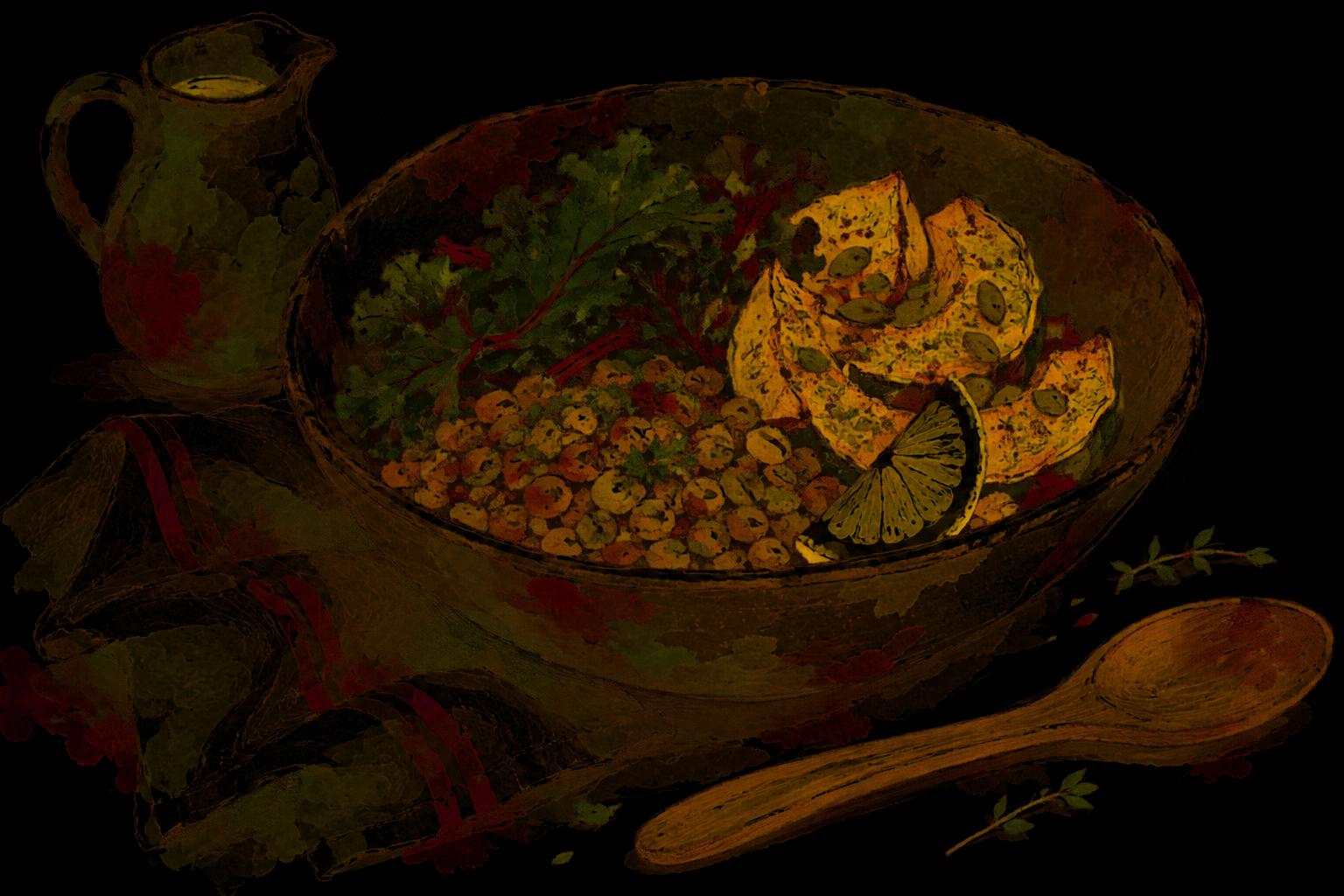
The best vegan snacks are the plainest ones: fruit, vegetables, nuts, seeds, beans and whole grains, eaten in small portions and paired so they last. An apple with peanut butter, carrots with hummus, a bowl of edamame or a handful of walnuts will carry you further than any bar with "vegan" on the wrapper. What changes is what is practical, so the list below is sorted by where you are when hunger arrives: at home, at work or on the road.
I am a wellness coach, and I have eaten whole-food, plant-based for about thirty years, with no meat or dairy. If you are newly vegan, snacks are often where the first week goes wrong, because the old standbys (cheese, yogurt, a granola bar) are suddenly off the table and the packet aisle looks like the only answer. It is not. I have written before about healthy snack ideas, sorted by the reason you need one, with recipes for roasted chickpeas and hummus, and about how to stop snacking when the habit, not hunger, is doing the asking. This piece is simpler: a list to keep on the fridge.
What makes a good vegan snack
Vegan only tells you what is left out. Potato chips and plenty of cookies are vegan, and neither is what I mean by a snack. Food belongs to Right Feeding, the second petal of the Starflower, the method in my book, Lifetime Body by Design, and the rule there is whole food first.
My short test for a snack:
- It looks like something that grew. Fruit, vegetables, nuts, seeds, beans, whole grains.
- It has fiber and a little protein or fat. Fruit alone is gone in an hour. Fruit with a few nuts lasts.
- No added sugar and no seed oils. Read the label on anything packaged; both turn up in places you would not expect.
- It is small. A handful, a piece, a cup. If you need more, you probably needed a meal.
Easy vegan snacks at home
At home you have a fridge, a stove and a few minutes, which opens up the best options.
- Vegetables and a dip. Carrots, cucumber, bell pepper, snap peas or celery with hummus or a white bean dip. Cut a container of vegetables on the weekend and this becomes a ten-second snack all week.
- Edamame. Frozen edamame in their pods, boiled for a few minutes and salted lightly. Shelling them slows you down.
- A cold baked sweet potato. Bake a few with dinner and keep one back. Eaten cold with a pinch of salt and a little tahini, it is surprisingly good.
- Baked tofu cubes. A batch from the oven keeps for a few days in the fridge. My piece on how to cook tofu explains how to get them crisp.
- Plain soy yogurt with fruit. Unsweetened, with berries and a spoon of ground flaxseed.
- A cup of soup. Lentil or bean soup from the freezer, warmed through. The most filling snack I know.
Vegan snacks for work
At work you want things that sit in a bag or a desk drawer without a fridge, or that keep well in a shared one until afternoon.
- Whole fruit. Apples, pears, oranges, bananas and clementines all travel in a bag and need no preparation.
- A small jar of nuts and seeds. Almonds, walnuts, pumpkin seeds and sunflower seeds, unsalted. Measure a quarter cup once so you know what a handful looks like.
- Nut butter and something to dip. A small jar of peanut or almond butter (nuts and perhaps salt, nothing else) in the drawer, with an apple or a few celery sticks brought from home.
- Dates and walnuts. Two pitted dates with a walnut half pressed into each. Sweet without any added sugar, and two is plenty.
- A pot of hummus and vegetable sticks. Packed in the morning, it keeps in a cool bag or the office fridge.
- Leftover grain salad. A small container of last night's quinoa or brown rice with beans and chopped vegetables, dressed with lemon. More of a mini meal, for a long afternoon.
If you share an office, keep nut allergies in mind, and keep your snacks in your own container.
Vegan snacks for travel
Travel is where newly vegan people get caught, because the airport, the gas station and the train all sell the same few packets. The answer is to pack before you leave.
- Pack a bag of homemade trail mix. Nuts, seeds and a few raisins or chopped dried apricots with nothing added. It keeps for days.
- Bring sturdy fruit. Apples and oranges survive a suitcase. Bananas are better eaten on the first day.
- Make a peanut butter sandwich on whole-grain bread. It is the oldest travel snack there is for a reason: no fridge needed for a day.
- Roast a tray of chickpeas the night before. Crunchy, salty and filling. The recipe is in my healthy snack ideas.
- When you have to buy something, look for whole fruit, plain nuts, or a salad you can add a pot of hummus to. Read the ingredients on anything in a packet.
High protein vegan snacks
People new to eating this way often worry about protein, and snacks are an easy place to add some. The plant foods with the most protein are the beans, soy and nuts, so these are the snacks to reach for:
| Snack | Where it works best | Note |
|---|---|---|
| Edamame | Home | Soy, and filling for its size |
| Roasted chickpeas | Travel, work | Make in batches; they soften after a day |
| Baked tofu cubes | Home, work | Keeps a few days in the fridge |
| Plain soy yogurt | Home, work | Unsweetened; check the label |
| Hummus with vegetables | Home, work | Make your own to skip the seed oil |
| Pumpkin seeds | Anywhere | A small handful is enough |
| Peanut butter on toast or fruit | Anywhere | Peanuts and salt only |
I have left numbers out on purpose: protein varies by brand and portion, and the nutrition panel will tell you more accurately than I can. How much protein you need overall depends on your size, age and health, and that is a question for your doctor or a dietitian. My piece on how to go plant-based covers protein, B12 and the other nutrients worth planning for.
Where animal foods hide in snacks
If you are newly vegan, a few ingredients are worth learning, because they turn up in snacks that look plant-based:
- Whey, casein and milk powder in crackers, chips, chocolate and "protein" products.
- Gelatin in gummy candy, some fruit snacks and marshmallows.
- Honey in granola, cereal bars and roasted nuts.
- Butter or cheese powder in flavored popcorn and chips.
Most of these come in packets with long labels. A bag of almonds has one ingredient. So does a pear.
A good snack is one you could have grown, or at least picked up from a market stall.
Keep the good ones within reach
The snacks you eat are mostly the ones you can see. Keep a bowl of fruit on the counter, nuts in a jar at eye level and a container of cut vegetables at the front of the fridge. Leave the cookies at the store. Then, on a busy day, the good choice is the easy one. Like any habit, this one grows by being small and repeated, which I wrote about in how to build good habits.
If you have diabetes, take medicine that affects blood sugar or needs to be taken with food, or are pregnant, underweight or recovering from disordered eating, please follow your doctor's advice on when and how often to eat. Some people genuinely need regular snacks.
A few questions people ask me
What are the healthiest vegan snacks? The ones closest to whole food: fruit, vegetables with a bean dip, nuts, seeds, edamame. Pair something with fiber and something with a little protein or fat, and keep the portion small.
Are vegan protein bars a good snack? Now and then, in a pinch, a bar with a short label is better than going hungry. Most have added sugar, though, and I would not build a habit around them. A piece of fruit and a few nuts does the same job.
What vegan snacks can I buy at a gas station or airport? Look for whole fruit, plain or lightly salted nuts, and sometimes a pot of hummus with vegetables. Read the ingredients on anything packaged for milk powder, whey and honey.
What can I snack on instead of cheese and crackers? Hummus or white bean dip with vegetables or a whole-grain cracker with a short label. Many people find the pull of cheese fades once it is no longer in the house.
There is more from my kitchen under Whole food nutrition, and if you are just starting out, what do vegans eat shows an ordinary week. For guided sessions across the whole method, see Lifetime Body by Design.
This article is general information and one person's experience. It is not medical or dietary advice. Please speak to your doctor or a registered dietitian before making significant changes to how or when you eat, especially if you have diabetes, a health condition, or take regular medication.
Carol Pocock is a wellness coach, yoga teacher and the author of Lifetime Body by Design. Guided sessions are at Lifetime Body by Design. More about Carol.

