Whole food nutrition
Kale salad for people who think they do not like kale
By Carol Pocock8 minute read
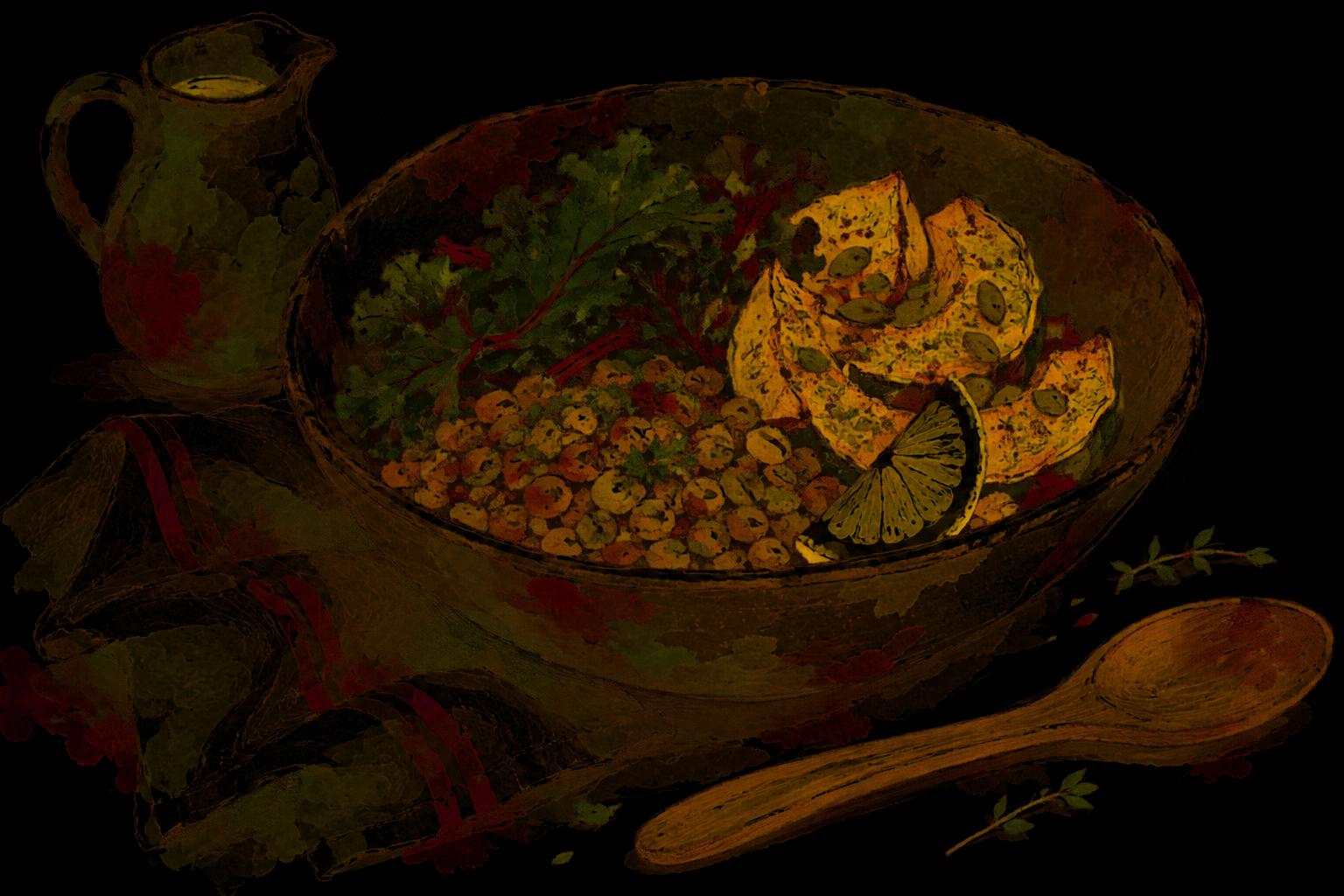
A good kale salad starts with one step most recipes skip: massaging the leaves. Strip out the stems, slice the kale thin, then rub it with a squeeze of lemon and a pinch of salt for two or three minutes until it turns dark, glossy and soft. Toss it with a lemon tahini dressing and the tough, bitter leaf that put you off becomes something you will make again.
I am a wellness coach, and I have eaten whole-food, plant-based for about thirty years, with no meat or dairy. A large salad most days is one of the habits I teach most often, and kale is the green that makes it easiest, because it holds up in the fridge where lettuce wilts. Food is Right Feeding, the second petal of the Starflower, the method in my book, Lifetime Body by Design. If you want kale cooked rather than raw, I covered that in how to cook spinach and kale. This piece is about the raw salad, and about winning over the people who swear they hate it.
Why most people think they do not like kale
Most people who dislike kale have eaten it the wrong way: big, stiff pieces with the stems still in, a thin dressing that slides off, and no time for the leaf to soften. It is like chewing a hedge, and nobody comes back for that.
Kale is a sturdy leaf. That toughness is a nuisance when it is raw and untreated, and a gift once you know what to do with it. A massaged kale salad keeps its texture for a day or more after dressing, so you can make it once and eat it twice. A lettuce salad goes limp within the hour.
Many people also find that they warm to a vegetable simply by eating it more often, prepared well. Taste changes with habit. Give kale three or four good meals before you decide.
Choosing and preparing the kale
Any kale works, but they behave a little differently.
- Curly kale is the most common. It is the toughest raw, and it softens the most when massaged.
- Lacinato kale, also sold as Tuscan or dinosaur kale, has flat, dark, bumpy leaves. It is a little tenderer and slices into neat ribbons.
- Baby kale in a bag is soft enough to eat as it is. It does not need massaging, but it will not keep as long once dressed.
To prepare a bunch, hold the bottom of each stem and pull the leaf upward with your other hand so it strips away. Wash the leaves, then dry them well. A salad spinner helps, or roll them in a clean towel. Wet leaves dilute the dressing.
Stack the leaves, roll them up and slice across into thin ribbons, about a quarter of an inch (half a centimeter) wide. Thin cuts are half the secret. The stems are food too: slice them very fine and add a few to the salad, or save them for soup.
How to make kale salad: massaging the leaves
This is the step that turns a tough leaf into a tender one.
- Put the sliced kale from one large bunch, roughly 8 ounces (225 g), into your biggest bowl.
- Add a pinch of salt and the juice of half a lemon.
- With clean hands, squeeze and rub the leaves, the way you might knead dough, for two or three minutes.
- Stop when the kale has darkened, looks slightly glossy and has shrunk to roughly half its volume.
- Let it sit for ten minutes while you make the dressing.
You can add a teaspoon of extra virgin olive oil while massaging if you like, but you do not need it. The lemon and salt do the work, and the tahini dressing brings plenty of richness.
A lemon tahini kale salad dressing
Tahini is ground sesame seeds, and it makes a creamy dressing with no dairy and no added sugar. This is enough for one large bunch of kale.
- 3 tablespoons tahini
- Juice of 1 lemon, about 3 tablespoons
- 1 small clove of garlic, grated or crushed
- 3 to 4 tablespoons of cold water
- A pinch of salt and some black pepper
- Optional: 1 teaspoon of Dijon mustard, or a pinch of cumin
Stir the tahini, lemon and garlic together first. It will seize and look thick and grainy, which is normal. Add the water a spoonful at a time, stirring, until it is smooth and pours like heavy cream. Taste, then add salt, pepper and more lemon if it needs brightening.
Pour most of it over the massaged kale and toss with your hands so every ribbon is coated. Keep a little back to add at the table. Tahini varies from brand to brand, so expect to adjust the water each time.
Massage first, dress second, and give it ten minutes before you judge it.
Three kale salad recipe variations
Once the base is right, the rest is whatever is in the kitchen. These are three I keep coming back to, each built on the massaged kale and the tahini dressing.
| Variation | What to add | Why it works |
|---|---|---|
| Apple and walnut | One crisp apple in thin slices, a handful of toasted walnuts, a little finely sliced red onion | Sweet, crunchy and sharp against the dark leaf |
| Chickpea and squash | A can of chickpeas, drained, a few cups of roasted squash or sweet potato, pumpkin seeds | Enough protein and substance to be a whole meal |
| Sesame and ginger | Shredded red cabbage, grated carrot, shelled edamame, toasted sesame seeds; add grated ginger and a splash of soy sauce to the dressing | Bright, crunchy and good for packed lunches |
The chickpea version is the one I would suggest if this salad is your main meal, because a plate of leaves alone will not keep you full for long. Beans, lentils, tofu or edamame turn a side salad into lunch. For more ideas along those lines, see high-protein vegan meals and the grain bowl.
Making it a habit, not a one-off
The hardest part of eating a big salad every day is not the eating. It is the washing, drying and chopping. Kale helps here more than any other green.
Massaged and undressed, kale keeps well in a covered container in the fridge for a few days. Dressed, it is still good the next day, and many people prefer it then. So a bunch on Sunday can become two or three lunches with no extra work beyond adding the toppings.
Keep the dressing in a jar in the fridge too. It thickens as it chills, so loosen it with a spoonful of water before using. With both ready, a kale salad takes less time than making a sandwich.
This is how most good habits start: make the healthy choice the easy one, then repeat it until you stop thinking about it. I wrote about that in how to build good habits. A salad at lunch also leaves less room for the afternoon snack, which I covered in how to stop snacking. If you would like guided sessions across the whole method, they are at Lifetime Body by Design.
A few questions people ask me
Do I have to massage kale for a salad? For curly or lacinato kale, yes, if you want it tender. It takes two or three minutes. Baby kale is soft enough to skip it.
How long does kale salad keep? Undressed and massaged, a few days in a covered container in the fridge. Dressed, it is best within a day or so. Add nuts and seeds just before eating so they stay crisp.
Can I eat a lot of kale if I take a blood thinner? Ask your doctor first. MedlinePlus, the US National Library of Medicine's health site, advises people taking warfarin to eat only small amounts of leafy greens such as spinach, kale and collards, and not to change how much they eat from day to day or week to week. Your doctor or pharmacist can tell you what is right for you.
What else goes in a kale salad dressing? Lemon and tahini are my base, but a simple mix of extra virgin olive oil, lemon or vinegar, mustard and garlic works well too. Keep the oil modest and the acid generous.
There is more from my kitchen under Whole food nutrition. If you are just starting out, begin with how to go plant-based, and for a cooked green on the side, try how to cook spinach and kale.
This article is general information and one person's experience. It is not medical or dietary advice. Please speak to your doctor or a registered dietitian before making significant changes to how you eat, especially if you have a health condition or take regular medication.
Carol Pocock is a wellness coach, yoga teacher and the author of Lifetime Body by Design. Guided sessions are at Lifetime Body by Design. More about Carol.

