Whole food nutrition
Roasted carrots: sweet, simple and hard to get wrong
By Carol Pocock7 minute read
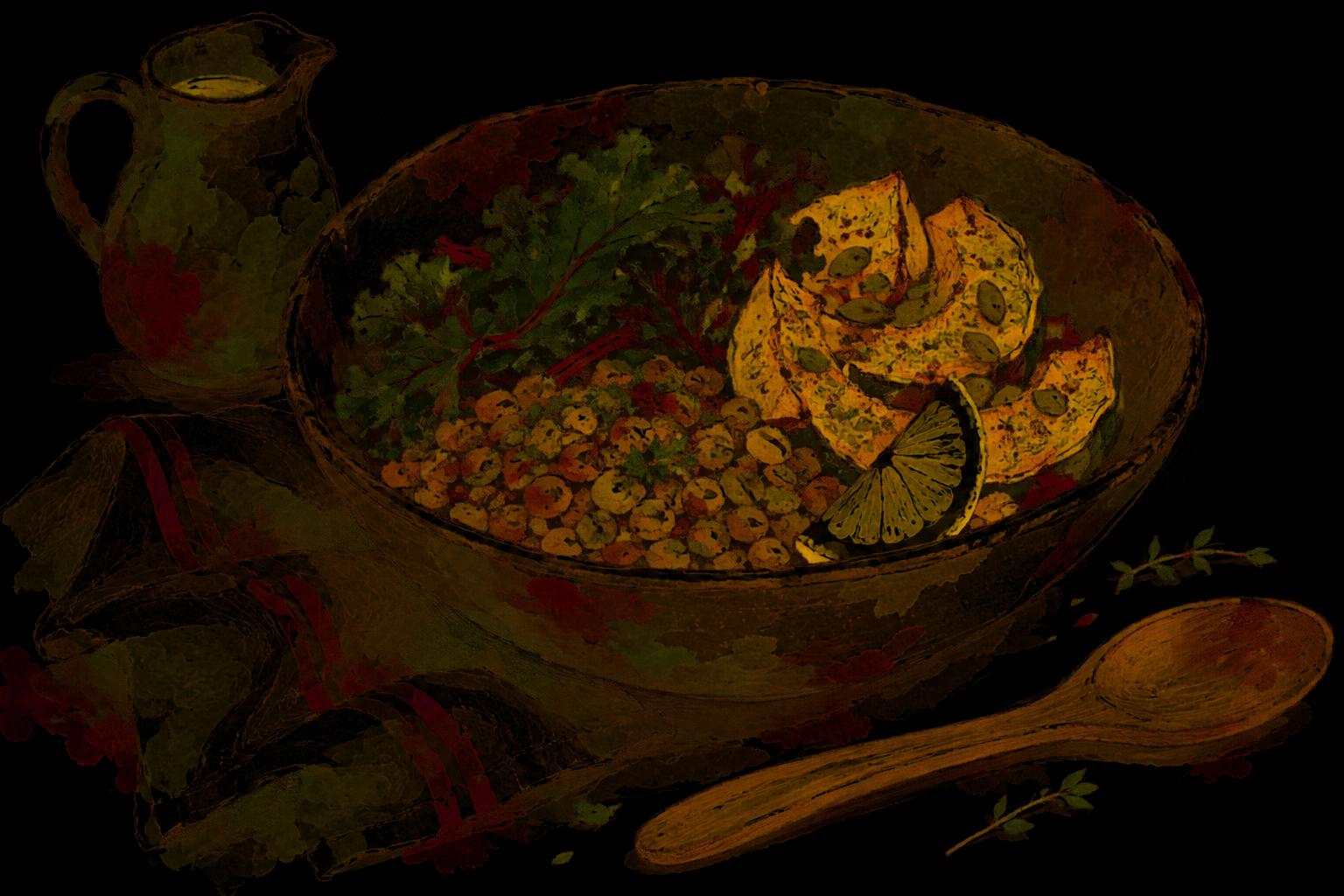
Roasted carrots need only a hot oven, a little time and enough space on the tray. Cut them into even pieces, toss them with a small amount of extra virgin olive oil, salt and one seasoning, and roast at 425°F (220°C) for about 25 to 35 minutes, turning once, until the edges are browned and a knife slides in easily. Roasting draws out their natural sweetness, so there is no need for any glaze.
I am a wellness coach, and I have eaten whole-food, plant-based for about thirty years, with no meat or dairy. Carrots are inexpensive and forgiving, and they keep for weeks in the fridge. A tray of them is often the first thing I suggest to anyone who says they do not know how to cook vegetables. If you want the general method for any vegetable, I wrote roasted vegetables. This piece is only about carrots, and how to get them just right.
Why carrots roast so well
Carrots are firm and dense, so they hold their shape in a hot oven while the outside browns. As they cook, the edges caramelize and the flavor turns rich and sweet. That is why so many roasted carrots recipes reach for honey or syrup, and why they do not need it. The oven does that job on its own.
Food is Right Feeding, the second petal of the Starflower, the method in my book, Lifetime Body by Design. Each petal is a "Right Action", one fundamental of health practiced until it becomes ordinary. The wider petal is in how to go plant-based. A vegetable you can cook without thinking is one you will actually eat, and that is the whole point.
How to roast carrots: the basic recipe
This makes enough for four people as a side, or two generous meals with a grain and beans.
| Ingredient | Amount |
|---|---|
| Carrots | 2 pounds (about 900 g), around 10 to 12 medium |
| Extra virgin olive oil | 1 to 2 teaspoons, or none |
| Salt | ½ teaspoon, then to taste |
| Black pepper | A few grinds |
| One seasoning | 1 teaspoon ground cumin, or 1 teaspoon dried thyme |
- Heat the oven to 425°F (220°C) and line a large baking tray with parchment.
- Scrub the carrots. There is no need to peel them unless the skins are tough or very dirty. Trim the tops and tips.
- Cut them evenly. Halve medium carrots lengthwise, and quarter thick ones, so the pieces are roughly the same width. Long pieces look lovely and turn easily. Chunks of about 1 inch (2.5 cm) work too.
- Season. Toss the carrots on the tray with the oil, salt, pepper and seasoning, using your hands so a little oil reaches every piece.
- Spread them out. One layer, with a little space around each piece. Use two trays if they are crowded.
- Roast, turning once. Turn them about halfway through, and start checking after 20 minutes.
They are ready when the cut sides are golden brown, the thin ends are dark and a little crisp, and a knife slides into the thickest piece with no resistance.
Oven roasted carrots: approximate times
Times vary with the size of the carrots, how full the tray is and your oven, so treat these as a guide and check early.
| How you cut them | Approximate time at 425°F (220°C) |
|---|---|
| Thin whole carrots | 20 to 30 minutes |
| Medium carrots, halved lengthwise | 25 to 35 minutes |
| Thick carrots, quartered lengthwise | 25 to 35 minutes |
| 1-inch (2.5 cm) chunks | 25 to 35 minutes |
| Baby carrots, whole | 20 to 30 minutes |
| Very large carrots, whole | 40 to 50 minutes, or cut them |
If your oven has a fan setting, it will usually cook faster, so check sooner. A darker metal tray browns more quickly than a light one.
Roasted baby carrots
Bags of baby carrots are handy, and they roast well with no cutting at all. Iowa State University Extension explains that most of them are cut from regular sized carrots, then peeled and shaped by machine. The white film that sometimes appears on them is simply the carrot drying out.
Because they are already peeled, baby carrots can dry out a little sooner and brown slightly less. Pat them dry before seasoning, give them plenty of room, and pull them out when the edges have color and the centers are tender. If you buy carrots with their green tops still on, twist the tops off when you get home so the roots stay firm longer.
Little or no oil
A pool of oil on the tray does not make carrots any better. It mostly makes them greasy. I use only extra virgin olive oil, and only a little, and I never use seed oils or cooking sprays.
If you want to use less, or none:
- Line the tray with parchment so nothing sticks.
- Dry the carrots well after washing. Water on the surface turns to steam and stops them browning.
- Toss them in lemon juice or a splash of vegetable stock instead, so the spices still cling.
- Add richness after cooking, with a spoon of tahini sauce or a handful of toasted seeds.
Carrots roasted without oil come out a little drier and chewier at the edges. Many people find they like them that way.
Simple seasonings, no glaze needed
Salt, pepper and one strong flavor is plenty. A few combinations I like:
- Cumin and lemon. Cumin before roasting, a squeeze of lemon and chopped parsley after.
- Thyme and garlic. Dried thyme before, and a few whole unpeeled garlic cloves on the tray. Squeeze out the soft garlic and toss it through at the end.
- Smoked paprika. Warm and a little smoky, and good with chickpeas on the same tray.
- Ginger and orange zest. Ground ginger before roasting, fresh orange zest grated over the hot carrots. The zest brings brightness without any added sugar.
- Chili flakes and lime. A pinch of chili before, lime juice and cilantro after.
The finish I come back to most is a drizzle of tahini dressing. Its nutty, lemony taste against the sweet, browned carrots is hard to beat.
Let the oven do the sweetening. It is better at it than any glaze.
Turning a tray of carrots into a meal
Roasted carrots are a side dish, but they can carry a meal with very little help. Spoon them over a bowl of grains with greens and tahini dressing, or add a drained, patted-dry can of chickpeas to the tray for the last 20 to 25 minutes. Leftovers keep, covered in the fridge, for a few days. They are good cold in a salad, and the last of them, blended with stock, make a fast soup. My carrot soup and carrot salad take carrots in two other directions.
Roasting one tray a week is the kind of small, repeated action that turns into a habit, which is the stem of the Starflower. I wrote about that in how to build good habits. Many people also find a short stroll after dinner a pleasant way to end the meal; I wrote about walking after eating separately.
A few questions people ask me
Do I need to peel carrots before roasting? Usually not. Scrub them well and roast them in their skins. Peel them only if the skins are tough or you want a very neat look.
Why are my roasted carrots soft and pale? The tray was probably too full, or the carrots were wet. Use two trays, leave space between pieces and dry them well first. A hotter oven helps too.
Can I roast carrots ahead of time? Yes. Roast them, cool them and keep them covered in the fridge for a few days. Reheat on a tray in a hot oven for about ten minutes so the edges crisp again.
Can I roast carrots with other vegetables? Yes. Parsnips, beets, onions and potatoes take about the same time. Softer vegetables, such as broccoli, can join the tray partway through.
There is more from my kitchen under Whole food nutrition, and if you are just starting out, begin with how to go plant-based.
This article is general information and one person's experience. It is not medical or dietary advice. Please speak to your doctor or a registered dietitian before making significant changes to how you eat.
Carol Pocock is a wellness coach, yoga teacher and the author of Lifetime Body by Design. Guided sessions are at Lifetime Body by Design. More about Carol.

