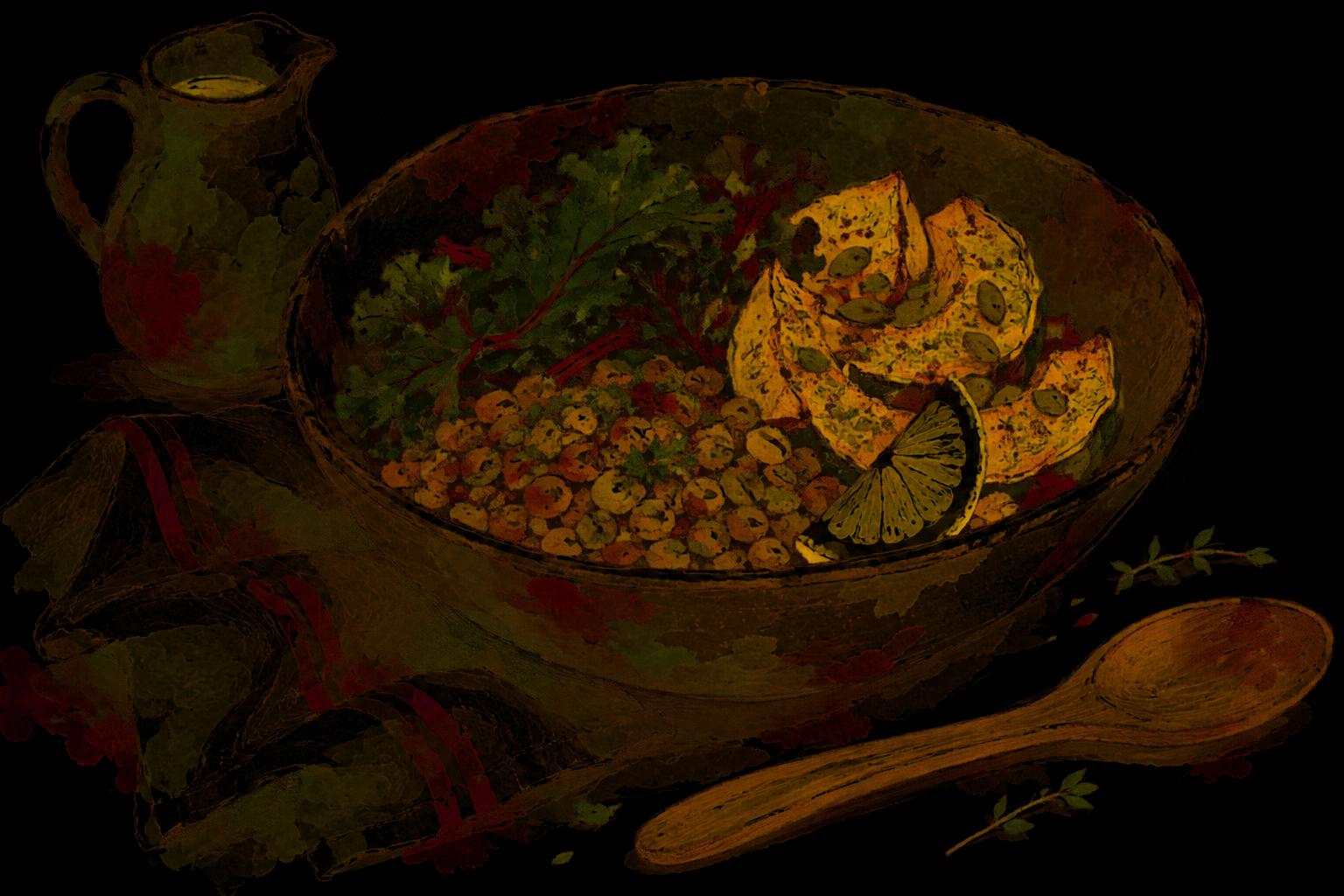
A good tahini dressing is three things stirred together: tahini, lemon juice and cold water, with garlic and salt. Make it by the jar instead of the spoonful, keep it at the front of the fridge, and it will dress salads, grain bowls, roasted vegetables and baked potatoes all week. Once you know the ratio, you never need the recipe again.
I am a wellness coach, and I have eaten whole-food, plant-based for about thirty years, with no meat or dairy. When cream, butter and cheese leave your cooking, sauces are what keep meals interesting, and this is the one I lean on most. If you are new to the ingredient itself, start with what is tahini, where I cover how it is made, how to choose a jar and a small single batch of lemon tahini sauce. This piece is the next step: a batch big enough to last, and four ways to change it so you do not tire of it.
Why a jar of sauce matters more than a recipe
Food is Right Feeding, the second petal of the Starflower, the method in my book, Lifetime Body by Design. Each petal is a "Right Action", one fundamental of health practiced until it becomes ordinary. The wider petal is in how to go plant-based.
Most people do not skip vegetables because they dislike them. They skip them because a plain plate of greens at seven in the evening is not appealing, and making a sauce from scratch feels like one job too many. A jar already made removes that job. The salad becomes the easy choice, and easy choices are the ones that last.
The master ratio for lemon tahini dressing
Think in parts rather than measures: roughly three parts tahini, two parts lemon juice, and two to three parts cold water. Here is that ratio as a jar that lasts most of a week.
| Ingredient | Amount |
|---|---|
| Tahini, well stirred | ½ cup (about 120 g) |
| Fresh lemon juice | ⅓ cup (80 ml), about 2 lemons |
| Garlic | 1 clove, finely grated |
| Salt | ½ teaspoon, then to taste |
| Cold water | ⅓ to ½ cup (80 to 120 ml) |
That makes about 1¼ cups (300 ml), enough for six to eight servings.
How to make tahini sauce that does not seize
- Stir the jar of tahini first. The oil rises to the top as it sits. Mix it back in all the way to the bottom, or your dressing will be oily one week and stiff the next.
- Steep the garlic. Grate the garlic into the lemon juice with the salt and leave it for five minutes. The lemon takes the harsh edge off the raw garlic.
- Combine tahini and lemon. Whisk them together in a bowl, or shake them in the jar with the lid on. It will turn thick, pale and lumpy, almost like wet sand. This always happens. It does not mean it has gone wrong.
- Add water slowly. A couple of tablespoons at a time, whisking or shaking hard between each. After the third or fourth addition, it suddenly loosens into a smooth, creamy sauce.
- Stop at the texture you want. Thicker for drizzling over roasted vegetables or using as a dip, thinner for tossing through leaves.
- Taste. More lemon if it is flat, more salt if it is dull, more water if it is too rich.
The whole thing takes about ten minutes. A blender is not needed, though a small one makes the herb version below easier.
A jar of sauce in the fridge is a decision you made once, so you do not have to make it every night.
Storing it, and bringing it back
Keep the dressing in a clean, covered jar in the fridge. It is good for about five days, and I would use it within a week. Times vary with how fresh your lemon and garlic were; if it smells sour or off, throw it out.
It will thicken as it sits, sometimes to a paste. That is not spoiling. Stir in a spoonful of cold water and it will come back to a pourable sauce in a few seconds.
Four variations with no added sugar
Many bottled tahini dressings add sugar, maple syrup or seed oil. You do not need any of them. Each variation below starts from the master ratio.
1. Green herb tahini. Blend the finished dressing with a large handful of parsley, cilantro or basil, a few mint leaves if you have them, and a little extra lemon. It turns bright green and tastes fresh. It keeps a little less well, about three or four days.
2. Miso and ginger. Swap half the lemon juice for rice vinegar, and add a tablespoon of white miso and a teaspoon of finely grated fresh ginger. Go easy on the salt, since miso is salty already. This is very good on noodles, cabbage slaw and steamed greens.
3. Warm cumin. Add a teaspoon of ground cumin, a quarter teaspoon of ground turmeric and a good grind of black pepper. The color deepens to gold and the flavor suits roasted cauliflower, carrots and chickpeas.
4. Smoky lime. Use lime juice in place of lemon, and add half a teaspoon of smoked paprika and a pinch of chili flakes or chipotle powder. Spoon it over black beans, roasted sweet potato or a taco bowl.
A week of meals from one jar
This is where the jar earns its keep. A few ways I would use it across a week:
- Big salad. Toss it through leaves, grated carrot, cucumber and a handful of beans. It clings to sturdy leaves especially well, as in my kale salad.
- Grain bowl. Brown rice or quinoa, lentils or tofu, two vegetables and a generous spoonful of sauce on top. My grain bowl formula shows how to build one from whatever is left.
- Roasted vegetables. Drizzle it, thick, over a tray of roasted squash, broccoli or cauliflower straight from the oven.
- Baked potato. A spoonful instead of butter or sour cream, with chopped green onions and steamed greens.
- Wraps and sandwiches. Spread it in place of mayonnaise, with sliced tomato, cucumber and shredded lettuce.
- A quick dip. Leave it thick and serve it with raw vegetables.
If you want an even thicker spread from the same jar, how to make hummus uses most of the same ingredients with chickpeas blended in.
A note on sesame allergies
Sesame is one of the nine major food allergens listed by the US Food and Drug Administration, and since January 1, 2023 it has had to be labeled as an allergen on packaged foods. If anyone you cook for has a sesame allergy, keep this dressing away from their plate, and use a separate jar and spoon. A simple lemon, mustard and garlic dressing with a little extra virgin olive oil is a safer choice for that meal.
Making it a habit
Pick one day a week and make the jar then, every week, at the same time. Sunday afternoon works for many people. After a few weeks it stops being a task you remember and becomes part of the rhythm of the kitchen, which is the whole idea behind how to build good habits. Ten unhurried minutes at the counter is also part of the gentler pace I describe in slow living. For guided sessions across the whole method, see Lifetime Body by Design.
A few questions people ask me
Why did my tahini sauce go thick when I added lemon? Acid makes tahini seize. Keep adding cold water, a little at a time, and keep whisking. It always comes back.
Why is my tahini dressing bitter? The tahini may be old, unhulled or very dark. A fresh jar of hulled tahini, a little more lemon and a pinch more salt usually fix it.
Can I make it without garlic? Yes. It is milder but still good. A little grated ginger or a pinch of cumin gives it some lift instead.
Can I freeze tahini dressing? It is possible, but the texture can turn grainy. Since a fresh jar takes ten minutes, I would make it fresh instead.
There is more from the kitchen under Whole food nutrition, and for the sauce's natural partners, see roasted vegetables and vegan meal prep.
This article is general information and one person's experience. It is not medical or dietary advice. Please speak to your doctor or a registered dietitian before making significant changes to how you eat.
Carol Pocock is a wellness coach, yoga teacher and the author of Lifetime Body by Design. Guided sessions are at Lifetime Body by Design. More about Carol.

