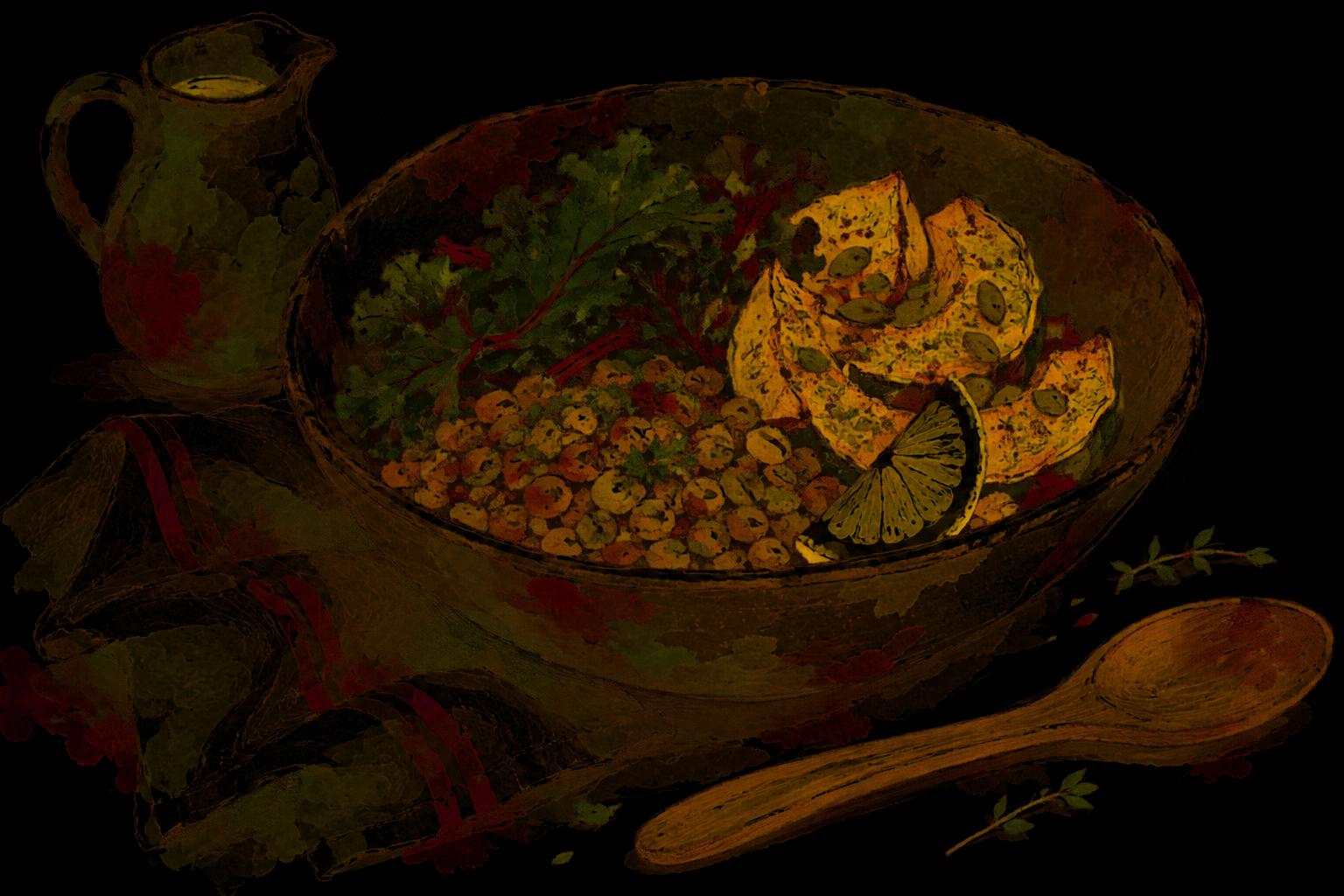
Tabbouleh is a herb salad, not a grain salad. It is mostly finely chopped parsley, with mint, tomato and green onion, a small amount of fine bulgur, and a dressing of lemon juice, olive oil and salt. If yours has always looked like a bowl of grain with green flecks in it, the fix is simple: use far more parsley and far less bulgur, and the salad changes completely.
I am a wellness coach, and I have eaten whole-food, plant-based for about thirty years, with no meat or dairy. In my book, Lifetime Body by Design, food is Right Feeding, the second petal of the Starflower, the method the book is built on, and if you are just beginning, how to go plant-based sets out the whole petal. Tabbouleh earns its place because it is one of the easiest ways I know to eat a large amount of fresh greens and actually enjoy it. As I put it in my book, "if we don't yet love vegetables, it's probably because we haven't eaten enough of them yet."
What tabbouleh is, and where it comes from
Tabbouleh is a salad from the Levant, the lands of the eastern Mediterranean, and it is usually traced to the mountains of Lebanon and Syria. In the traditional version, there are more herbs than bulgur. Many versions made elsewhere turned that around, which is why so much tabbouleh sold in shops is heavy on grain and light on green.
I am not from that part of the world, and I am not going to pretend this is a family recipe. What follows is a respectful home version that keeps to the shape of the dish: parsley in charge, bulgur in a supporting role, and sharp, fresh lemon over everything. Cooks across the region make it in many ways, and spelling varies too, so you will also see it written tabouli or tabouleh.
Bulgur, for anyone new to it, is wheat that has been hulled, partly cooked and dried before it is packed, which is why it needs so little time to soften. It comes in different grinds. Fine bulgur is the one to use here; it only needs soaking.
The tabbouleh recipe: mostly parsley
This makes four servings as a side, or two as a light lunch.
Ingredients
- ¼ cup (about 45 g) fine bulgur
- 3 large bunches flat-leaf parsley, about 4 cups (about 150 g) once chopped
- 1 small bunch mint, about ½ cup leaves once chopped
- 3 ripe tomatoes, finely diced
- 4 green onions (scallions), thinly sliced
- Juice of 2 lemons, about ¼ cup (60 ml), plus more to taste
- 2 to 3 tablespoons extra virgin olive oil
- Salt and black pepper
Look at the amounts side by side. There is roughly sixteen times as much parsley as bulgur by volume. That is the point.
How to make tabbouleh, step by step
The work here is all in the knife and the timing. None of it is difficult.
- Soak the bulgur. Rinse it in a fine sieve, tip it into a bowl and stir in half the lemon juice and a few tablespoons of water, just enough to moisten it. Leave it for 15 to 20 minutes, until it is tender with a little bite. Fine bulgur varies, so taste it, and if it is still hard, add a spoonful more water and wait another five minutes. Medium or coarse bulgur needs simmering instead; follow the packet.
- Wash and dry the herbs well. This is the step that matters most. Wash the parsley and mint, then dry them completely in a salad spinner or rolled in a clean towel. Wet herbs make a soggy, bruised salad.
- Chop by hand. Pick the parsley leaves and the thinner stems (thick stems go in a soup pot). Gather them into a tight bunch and slice finely with your sharpest knife, then run the knife through once or twice more. A food processor tends to mash rather than cut, and the herbs go dark and wet.
- Prepare the rest. Dice the tomatoes small and let them sit in a sieve for a few minutes so the extra juice drains off. Slice the green onions thinly and chop the mint.
- Combine and dress just before serving. Fold the herbs, tomatoes, onions and bulgur together. Add the rest of the lemon juice, the olive oil, salt and pepper, and toss lightly. Taste. It should be bright and sharp, with lemon you can really taste.
Chop the parsley like you mean it, and dress it at the last minute.
Quinoa tabbouleh, the gluten-free swap
Bulgur is wheat, so it contains gluten. If you need to avoid gluten, cooked quinoa makes a very good stand-in, and it has a pleasant little pop that sits well among the herbs. Cook ½ cup (about 85 g) of dry quinoa, which gives you about 1½ cups cooked, spread it out to cool completely, and use about a cup of it in place of the soaked bulgur. Keep the rest for another meal. My method for fluffy, never-bitter quinoa is in how to cook quinoa.
| Fine bulgur | Quinoa | |
|---|---|---|
| Preparation | Soak 15 to 20 minutes, no cooking | Rinse, simmer about 15 minutes, rest, cool |
| Texture | Soft and slightly chewy | Light, with a small pop |
| Gluten | Contains gluten (it is wheat) | Naturally gluten-free; buy a brand labeled gluten-free if you must be strict |
| How much in this recipe | ¼ cup dry | About 1 cup cooked |
If you would rather have a fuller grain salad where the quinoa leads and the vegetables follow, that is a different dish, and I wrote it up separately as quinoa salad.
Why tabbouleh goes soggy, and how to keep it
Most watery tabbouleh comes from one of three things: herbs that were not dried, tomatoes that brought their juice with them, or dressing added hours before serving. Salt and lemon draw water out of the herbs and tomatoes over time, so the salad slowly softens.
If you want to prepare ahead, keep the parts separate. Chopped, dry herbs keep for a day in a covered container in the fridge with a dry paper towel on top. Soaked bulgur keeps for a few days. Dice the tomatoes and dress everything when you are ready to eat. Leftover dressed tabbouleh is still good the next day, only softer, and it is lovely folded into a wrap or stirred through warm lentils.
What to serve with tabouli salad
Tabbouleh is fresh and sharp, so it goes with anything soft and earthy.
- A bowl of hummus and some whole-grain flatbread
- Falafel baked in the oven, or a simple dish of chickpeas
- Roasted eggplant or cauliflower with a spoon of tahini sauce; I explain tahini in what is tahini
- Crisp lettuce or cabbage leaves, used as scoops
Laid out together on the table, that becomes a meal people help themselves to and linger over. Sharing food like that is one of the simplest ways to bring people together, which I wrote about in how to make friends as an adult. Making a bowl of herbs part of your week is also a habit, and like any habit it sticks best when it is small and repeated, which is the idea behind how to build good habits.
A few questions people ask me
Can I use curly parsley for tabbouleh? You can, and it is a little crisper and milder. Flat-leaf parsley is more common and easier to chop finely. Either is far better than too little parsley.
Can I make tabbouleh without any grain at all? Yes. Leave the bulgur out and you have a very fresh herb salad. Some people add finely diced cucumber in its place for extra crunch.
How long does tabbouleh keep? Dressed, it is best on the day you make it and still good the next. Undressed, with the parts kept separate, a day or two.
Is tabbouleh a meal on its own? It is mostly herbs, so on its own it is light. Served with hummus, chickpeas or lentils, many people find it makes a full meal. If you have a digestive condition, ask your doctor about large portions of raw greens.
There is more from my kitchen under Whole food nutrition. For guided sessions across the whole method, see Lifetime Body by Design.
This article is general information and one person's experience. It is not medical or dietary advice. Please speak to your doctor or a registered dietitian before making significant changes to how you eat.
Carol Pocock is a wellness coach, yoga teacher and the author of Lifetime Body by Design. Guided sessions are at Lifetime Body by Design. More about Carol.

