Whole food nutrition
What is tahini, and what do you do with a jar of it?
By Carol Pocock7 minute read
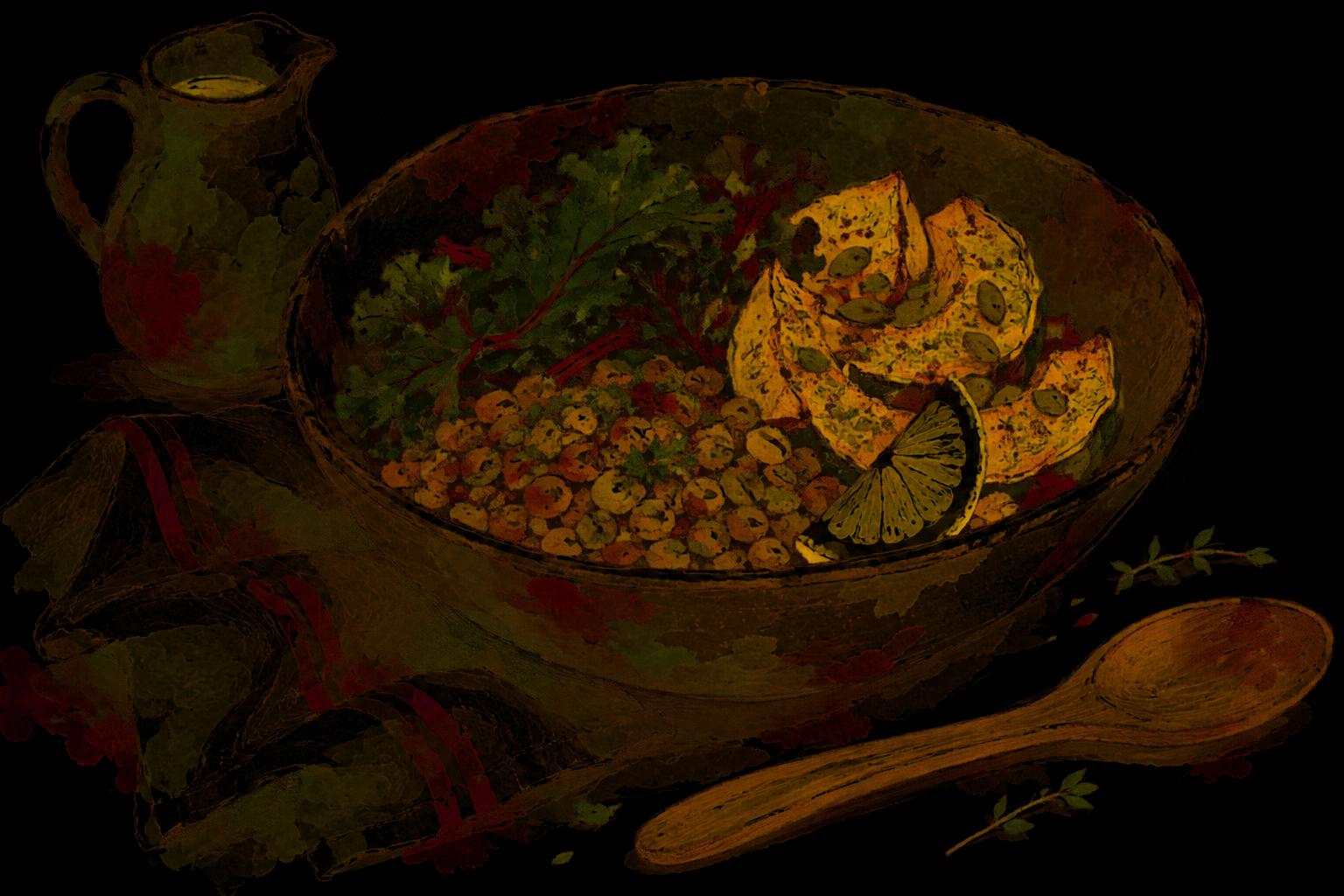
Tahini is a smooth, pourable paste made from ground sesame seeds, much like peanut butter but made from seeds instead of nuts. So if you are wondering what is tahini, think of it as sesame butter: nutty, a little bitter, and rich enough that a spoonful turns lemon juice and water into a creamy sauce. It is the ingredient that makes hummus taste like hummus.
I am a wellness coach, and I have eaten whole-food, plant-based for about thirty years, with no meat or dairy. When you take cream, butter and cheese out of your cooking, you need something else to give a meal richness, and a whole food is a better answer than a bottle of processed oil. Tahini is one of the best I know. In my book, Lifetime Body by Design, this way of eating is Right Feeding, the second petal of the Starflower, and how to go plant-based is where I would start if it is new to you.
What is tahini made of?
Usually just one thing: sesame seeds. The University of Illinois Extension describes tahini as a paste made from ground sesame seeds and compares it to a nut butter. The seeds are lightly toasted, then ground until their own oil is released and the paste turns smooth. Some makers add a little oil or salt. The best jars list sesame seeds and nothing else.
There are two main kinds:
- Hulled tahini, made from sesame seeds with their outer skins removed. It is pale, smooth and mild, and it is what most stores sell.
- Unhulled tahini, made from whole seeds. It is darker and can taste noticeably more bitter. The same extension article makes this point.
You will also see "raw" tahini, made from untoasted seeds, which is milder still. And do not confuse tahini with the dark, roasted sesame paste sold for some Asian dishes, or with "tahini sauce", which is tahini already thinned with lemon, garlic and water.
What does tahini taste like?
Straight from the jar, tahini is thick, nutty and earthy, with a light bitterness at the end, a little like the darker edge of toasted bread. It is not sweet. Many people try it on a spoon, find it too strong, and put the jar away. That is a pity, because tahini is rarely meant to be eaten alone. Like miso, it is an ingredient that shines once something else is added to it, usually lemon, garlic and salt.
How to buy and store a jar
Read the label. Look for sesame seeds as the main or only ingredient. Skip jars with added sugar or with seed oils such as canola or sunflower oil.
Choose hulled to begin. It is the most forgiving. A good jar will be runny enough to drizzle after a stir. A jar that is stiff and gritty all the way through can make a dull sauce.
Stir it well. The oil separates and rises to the top as it sits. That is normal and a good sign that nothing has been added to hold it together. Stir it back in fully with a knife or the handle of a spoon before you use it, reaching right to the bottom.
Keep it cool once opened. Because tahini is mostly fat, it can go stale and taste sharp or bitter over time. The University of Illinois Extension advises keeping opened tahini in the refrigerator, and throwing it out if it smells off. It stiffens a little in the cold, so let it sit out for a few minutes before you stir it.
Check for allergies. Sesame is one of the nine major food allergens listed by the US Food and Drug Administration, which has required sesame to be labeled as an allergen on packaged foods since January 1, 2023. If anyone at your table has a sesame allergy, keep tahini well away from their food.
Three plain ways to use tahini
1. A simple lemon tahini sauce
This is the one recipe worth knowing by heart. It is a dressing, a dip and a sauce all at once.
| Ingredient | Amount |
|---|---|
| Tahini, well stirred | ¼ cup (about 60 g) |
| Fresh lemon juice | 3 tablespoons (45 ml), about one lemon |
| Garlic | 1 small clove, finely grated or crushed |
| Salt | a pinch |
| Cold water | 3 to 5 tablespoons (45 to 75 ml) |
Put the tahini, lemon juice, garlic and salt in a bowl and stir. Do not panic when it turns thick and lumpy, almost like paste. That happens every time. Add the cold water a tablespoon at a time, stirring hard, and it will loosen into a smooth, pale, creamy sauce. Stop when it pours the way you want: thicker for a dip, thinner for a salad.
Taste it and adjust: more lemon if it is flat, more water if it is too rich, a little more salt if it needs it. A pinch of cumin, a spoonful of chopped parsley or a little white miso are all good additions. It keeps for several days in a covered jar in the fridge and thickens as it sits, so stir in a splash of water before serving.
This tahini dressing goes on almost anything: a big salad, roasted vegetables, a baked potato, steamed greens, falafel or a grain bowl.
2. Hummus and other dips
Tahini is what gives hummus its creamy, slightly nutty flavor. Blend a can of drained chickpeas with two tablespoons of tahini, the juice of a lemon, a small clove of garlic, a pinch of salt and enough water to make it smooth. You do not need a big pour of oil. My how to cook chickpeas has a fuller version using home-cooked beans and their cooking liquid. The same idea works with roasted eggplant, white beans or roasted beets in place of the chickpeas.
3. A spoonful for richness
This is where a jar of tahini earns its keep every day. Stir a spoonful into a bowl of oatmeal with cinnamon and sliced banana. Use it instead of butter in mashed potatoes or sweet potatoes. Thin it into soups and stews at the end for a creamy finish. Spread it on whole-grain toast with sliced tomato. A small spoonful goes a long way, and because it is a whole food, it brings the seed with it rather than just the oil.
Tahini turns lemon, garlic and water into something that tastes like you tried much harder than you did.
Making it a habit
The jar only helps if you open it. A simple way to make that happen is to make one jar of lemon tahini sauce at the start of the week and put it at the front of the fridge. When the sauce is ready, the salad, the bowl of greens or the plate of leftover vegetables is suddenly much easier to want. This is the same idea behind everything I write in how to build good habits: make the good choice the easy one, then repeat it until you stop having to think about it. Taking a few unhurried minutes to put a week's sauce together is also part of the gentler pace I describe in slow living. For guided sessions across the whole method, see Lifetime Body by Design.
A few questions people ask me
Is tahini the same as sesame paste? In most Western shops, yes. Asian roasted sesame paste is made from darker roasted seeds and tastes stronger, so it is not a straight swap.
Why is my tahini sauce lumpy? It always seizes when lemon meets tahini. Keep adding cold water a spoonful at a time and stirring, and it will turn smooth.
Why is my tahini bitter? It may be unhulled, over-roasted or old. Try a fresh jar of hulled tahini, and balance the sauce with more lemon and salt.
Can I make tahini at home? Yes. Lightly toast hulled sesame seeds, let them cool, then grind them in a food processor, scraping down the sides often, until smooth. It takes patience, and a strong machine helps.
There is more from the kitchen under Whole food nutrition, and the cousins of this piece cover two more staples worth keeping: what is miso and what is tempeh.
This article is general information and one person's experience. It is not medical or dietary advice. Please speak to your doctor or a registered dietitian before making significant changes to how you eat.
Carol Pocock is a wellness coach, yoga teacher and the author of Lifetime Body by Design. Guided sessions are at Lifetime Body by Design. More about Carol.

