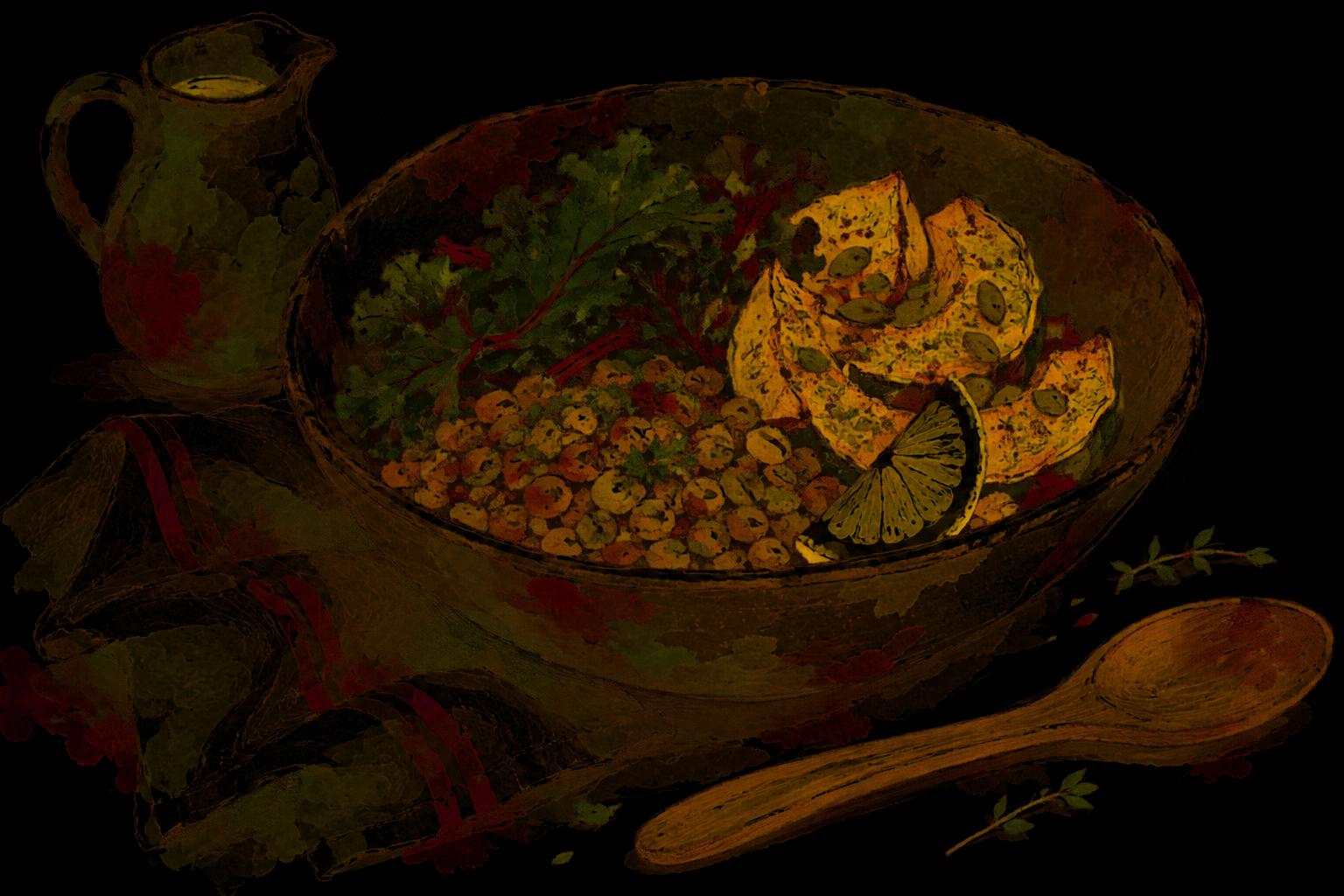
What is tempeh? It is a firm cake of cooked whole soybeans that have been fermented with a mold, which grows through the beans and binds them into a solid block you can slice, crumble or cube. It tastes nutty and earthy, a little like mushrooms, and it is chewier and denser than tofu. Steam it briefly, season it boldly and brown it, and most people who try it come back for more.
I am a wellness coach, and I have eaten whole-food, plant-based for about thirty years, with no meat or dairy. In my book, Lifetime Body by Design, food is Right Feeding, the second petal of the Starflower, the method the book is built on. Right Feeding means eating mostly whole plant foods, cooked simply. Tempeh is on my grocery list every other week, and it is one of the few packaged proteins I am happy to buy, for reasons I will explain. If you are just starting to eat this way, begin with how to go plant-based.
What is tempeh made of?
Plain tempeh is made of soybeans, water and a starter culture, and often a little vinegar. The soybeans are soaked, hulled and cooked, then mixed with the starter and left somewhere warm. Over a day or two, a white mold grows through and around the beans and knits them into a cake. A 2024 review in the journal Future Foods describes it as a fermented legume food made from soybeans, transformed by a Rhizopus mold into "a white firm cake-like product".
The same review notes that tempeh is commonly eaten in Southeast Asia, especially in Indonesia and Malaysia. It is an everyday food there, not a health-shop invention.
Some tempeh is made with other beans, or mixed with grains such as brown rice or barley. These blends are fine, but read the label so you know what you are buying, especially if you avoid gluten.
Why it fits a whole-food kitchen
The reason tempeh earns a place where ready-made vegan meats do not is simple: you can see the beans. Cut a block in half and the soybeans are there, whole, held together by the mold. Very little has been taken out or added in. A plant-based burger or sausage is built from extracted proteins, oils and flavorings, which is why I leave those on the shelf. I wrote about where that line sits in what are whole foods.
Fermentation is an old way of preparing food, and tempeh sits happily beside other fermented staples such as miso. I eat it for the same reason I eat beans and lentils: it is filling, it is simple, and it makes a meal.
What does tempeh taste like?
Plain tempeh straight from the package tastes mild, nutty and earthy, with a mushroom note from the mold. Some blocks carry a faint bitterness, which is the main thing people dislike on a first try. The texture is firm and a little grainy, because you are biting into whole beans, and it holds its shape in a pan in a way tofu often does not.
The bitterness is easy to deal with, and the next section shows how. Once it is gone, tempeh takes on a marinade beautifully and browns to a deep, savory crust.
Tempeh vs tofu
Both are made from soybeans, and both live in the refrigerated aisle, but they are quite different foods. I cover tofu in detail in how to cook tofu.
| Tempeh | Tofu | |
|---|---|---|
| How it is made | Whole cooked soybeans fermented with a mold into a cake | Soy milk curdled and pressed into a block |
| Texture | Firm, dense, chewy, a little grainy | From silken and custardy to firm and smooth |
| Flavor | Nutty, earthy, mushroomy | Very mild, almost neutral |
| Needs pressing | No | Firm tofu, yes |
| Best for | Crumbling into sauces, slicing for the pan, cubes for a tray | Scrambles, stir-fries, crisp cubes, blending into sauces |
Neither is better. I keep both in the kitchen and choose by the meal. If you want something that crumbles like mince into a sauce, tempeh does it well. If you want something soft and creamy, tofu wins.
How to buy and store tempeh
Look for a block that is firm, covered evenly in white, and smells clean, a little like mushrooms. Check the use-by date and the ingredients.
- In the fridge: keep it sealed and use it by the date on the package. Once opened, wrap it and use it within a few days.
- In the freezer: tempeh freezes well. I slice a block before freezing so I can take out what I need. Thaw it in the fridge.
- When to throw it out: if it is slimy, smells sour or sharply of ammonia, or shows mold in colors other than the usual white and gray, discard it. When in doubt, throw it out.
Most packages say to cook tempeh before eating it, and I always do.
Steam it first, season it second, brown it last.
How to cook tempeh: the plain way I make it
This is the one method to learn. It takes the bitterness away and gives you tempeh that tastes of what you put on it.
- Cut one block (about 8 ounces, 225 g) into slices, cubes or triangles.
- Steam or simmer it for about ten minutes, in a steamer basket over simmering water or in a shallow pan of gently bubbling water. This softens the bitterness and opens the tempeh up to take in flavor.
- Marinate while it is still warm: two tablespoons of soy sauce or tamari, a grated clove of garlic, a little grated ginger, and a squeeze of lime or a splash of rice vinegar. Fifteen minutes makes a difference; an hour is better.
- Brown it. Bake on a lined tray at about 400°F (200°C) for 20 to 25 minutes, turning once, or cook it in a nonstick or well-seasoned pan over medium heat for a few minutes on each side, with a teaspoon of olive oil or none. Pour any leftover marinade in at the end so it glazes.
Times are approximate and vary with your oven, your pan and how thick you cut it. You are looking for golden edges and a firm, savory outside.
Three plain ways to use tempeh
Once you have the method, these are the three I come back to.
- Crumbled into a sauce. Steam the block, crumble it with your fingers, brown it in a pan with onion and garlic, then simmer it in tomato sauce or vegan chili. It gives a hearty texture without any ready-made mince.
- Sliced on a bowl. Marinated, browned slices on brown rice or quinoa with greens, roasted vegetables and a spoonful of tahini sauce. That is a grain bowl for one in about half an hour.
- Cubed on a tray. Toss steamed cubes with soy sauce and smoked paprika, then roast them on one tray with squash, red onion and broccoli. Very little washing up.
A block of tempeh cooked on a Sunday covers two or three meals. Like most food habits, it becomes ordinary by being repeated: the first block is an experiment, the fifth is just dinner. That is the idea behind how to build good habits. A meal like this is also an easy thing to look forward to after a walk or a class, which I touch on in how to start exercising. For guided sessions across the whole method, see Lifetime Body by Design.
A few questions people ask me
Can you eat tempeh raw? I would not. Most packages say to cook it, and steaming plus browning makes it taste far better anyway.
Why does my tempeh taste bitter? It probably went straight into the pan. Steam or simmer it for about ten minutes first, then marinate it.
Is tempeh processed? Lightly. It is fermented and shaped, but it is still whole soybeans you can see, which is very different from a factory-made vegan burger.
Is tempeh good for you? That depends on you, and it is a question for your doctor or a dietitian, especially if you have a health condition, a soy allergy or take regular medicine. I simply eat it as one food among many.
There is more from my kitchen under Whole food nutrition, and if tofu is more familiar to you, start with how to cook tofu.
This article is general information and one person's experience. It is not medical or dietary advice. Please speak to your doctor or a registered dietitian before making significant changes to how you eat.
Carol Pocock is a wellness coach, yoga teacher and the author of Lifetime Body by Design. Guided sessions are at Lifetime Body by Design. More about Carol.

