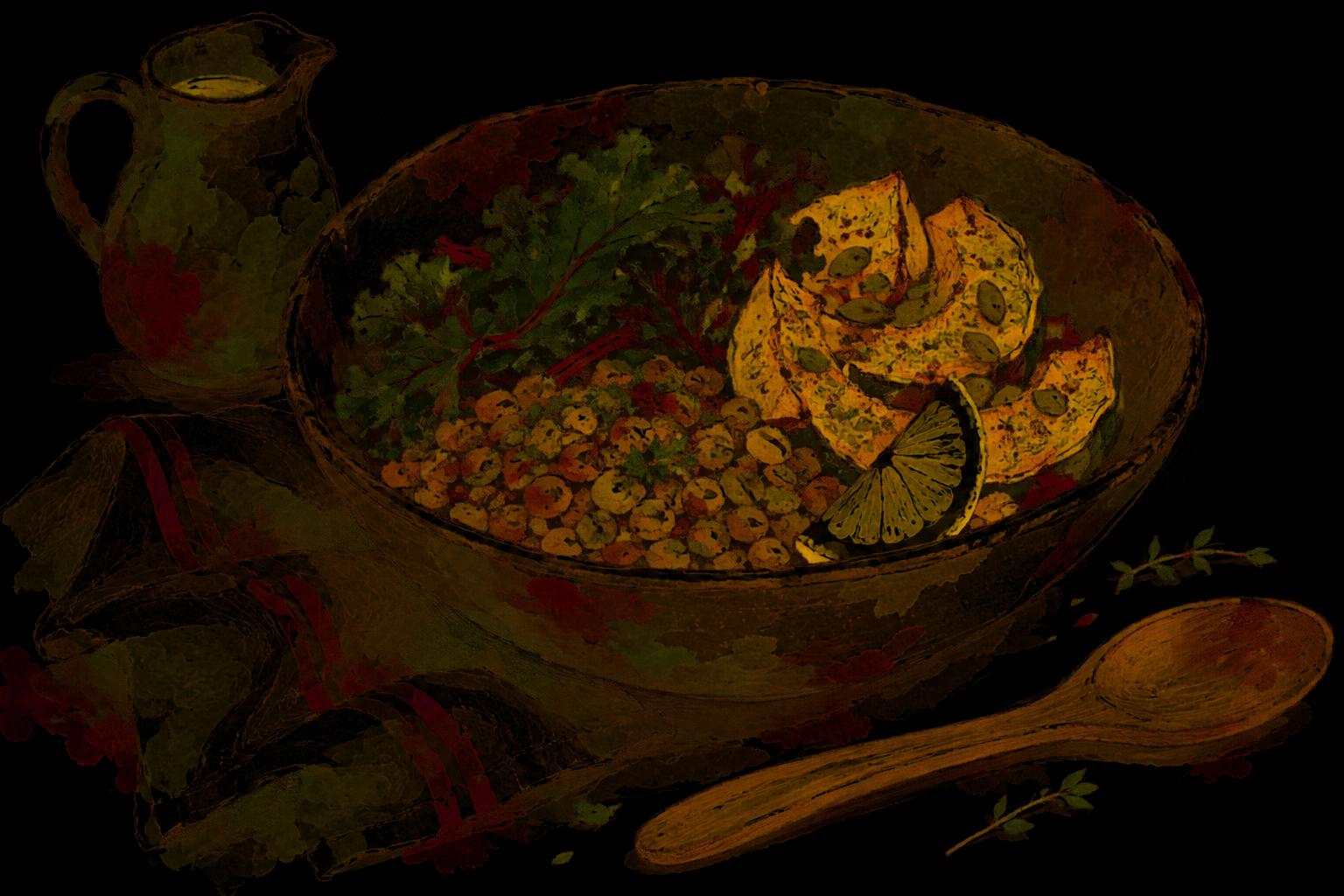
If you are wondering what to eat after fasting overnight, the answer is a real meal, not a reward. After a twelve-hour gap, break it with whole food that has some protein and some fiber in it, sit down, and eat slowly. That is most of it, and this piece is only about that first meal after the overnight gap.
One plain boundary before I go on. Longer fasts, and the way people start eating again after them (often called refeeding), are medical matters. They are outside this piece, and this site does not recommend fasting for longer than a day. If you have fasted longer, or are thinking about it, please talk to your doctor.
I am a wellness coach and a yoga teacher, and I have eaten whole-food, plant-based for about thirty years. My own eating day starts at noon, so the first meal is the one I think about most. I also spent years yo-yo dieting, and I know how easily a first meal turns into a free-for-all when you feel you have earned it. The gentle version is much calmer than that.
Before anything else: who should not fast without medical advice
Please read this part first. Some people should not try any form of fasting, even a gentle overnight gap, without their doctor's advice. That includes anyone who is:
- pregnant or breastfeeding
- under eighteen
- underweight
- living with, or recovering from, disordered eating of any kind
- living with diabetes, or taking medicine that affects blood sugar
- taking medicine that affects blood pressure
- taking any medicine that needs to be taken with food or at set times
Always take your medicine exactly as prescribed. If a medicine needs food, eat, whatever that does to your gap. Questions about how your medicines fit with the times you eat belong with your doctor or pharmacist, and a fasting window never comes before a prescription.
What breaking the fast means after a night
Right Fasting is the sixth petal of the Starflower, the method in my book, Lifetime Body by Design. Each petal is what I call a Right Action, one of seven everyday practices that together build a foundation of health. In its gentle form, this one means a regular stretch each night when you are not eating: dinner, a closed kitchen, then breakfast. If you have not started, my guide on how to start intermittent fasting gently covers the steps.
After a twelve-hour gap, most of which you slept through, your body does not need special handling. The word breakfast already says what it is: the meal that breaks the night's fast. In my book I call this moment deliberate re-entry, and after an overnight gap the deliberate part is simple. It comes down to three things: what is on the plate, how quickly you eat it, and whether it is a normal amount.
What to eat after fasting: start with whole food
By whole food I mean food that still looks roughly like where it came from: oats rather than a breakfast bar, beans rather than a processed patty. There is more on that in my piece on what whole foods are.
For the first meal of the day, I look for three things on the plate:
- Some protein. Tofu, tempeh, beans, lentils, chickpeas, soy milk or soy yogurt, nuts and seeds.
- Plenty of fiber. Oats, whole grains, vegetables, fruit, and the beans and lentils again.
- A little fat. Some avocado, a few nuts, a spoonful of nut butter or ground seeds.
Many people find a meal like this keeps them comfortable until lunch. A pastry and a sweet coffee, on the other hand, leaves most people hungry again soon after, and that makes the next gap harder than it needs to be.
A few first meals that fit, all plant-based:
| First meal | Where the protein is | Where the fiber is |
|---|---|---|
| Oats cooked in soy milk with berries and ground flax | Soy milk, flax | Oats, berries, flax |
| Tofu scrambled with spinach, on whole-grain toast | Tofu | Spinach, toast |
| A bowl of leftover lentil soup | Lentils | Lentils, vegetables |
| Chickpeas mashed with avocado on rye, with tomatoes | Chickpeas | Chickpeas, rye, tomatoes |
| A big salad with beans, greens and seeds | Beans, seeds | Greens, beans |
Since I eat at noon, my own first meal is closer to the last one. It does not have to look like breakfast, only like a proper meal. For more morning ideas, see my high-protein vegan breakfasts.
Vegetables and protein first, bread after
One small habit from my book: start the meal with the vegetables and the protein, and leave the bread, rice or sweet things until the end. There is nothing to count or measure.
Many people find that eating this way leaves them feeling steadier and fuller for longer. It also slows the meal down a little, which brings me to the part that matters most.
Eat slowly, and eat a normal amount
The biggest mistake I see with any kind of fasting is not what people eat when they break the fast. It is how much, and how fast. There is a voice that says you have been good, so now you can have everything. That voice turns a calm practice into a cycle of holding back and then overdoing it, and I lived in that cycle for years.
So when the gap ends, eat the way you would on any ordinary day:
- Sit down. Not standing at the counter, not in the car.
- Put your fork down between mouthfuls. It sounds fussy, and it works.
- Eat a normal portion. Not as much as possible, and not less than you need.
- Stop when you are comfortably full, and wait a few minutes before deciding on more.
Break the fast with a meal, not a reward.
If you find yourself eating in a hurry, feeling out of control around food once the window opens, or thinking about food far more than you used to, please stop the fasting and speak to your doctor. That is not a failure. It is useful information, and it matters more than any eating window.
What I would leave until later in the day
None of this is forbidden. It just makes a poor first meal on its own:
- pastries, sweet cereals and white toast with jam
- juice or a smoothie in place of a meal
- sweet coffee drinks
- anything eaten standing up straight from the packet
If you love fruit, have it alongside the protein rather than as the whole meal. If coffee on an empty stomach upsets you, have it with your food instead of before it. For what does and does not end the overnight gap, see what breaks a fast.
If you are not hungry in the morning
Some people wake with no appetite at all, and that is fine. You do not have to force a large meal. But you also do not have to stretch the gap because you are not hungry yet. If you are on the list at the top of this page, or your medicine needs food, eat at your usual time.
If an empty morning follows a lot of eating late at night, my piece on how to stop eating at night may help.
The habit side of this is the same as any other petal: settle on one or two first meals you like, keep the ingredients in the house, and make it easy. There is more on that in how to build good habits. If you would like guided sessions to start the morning before you eat, such as gentle yoga, you can find them on Lifetime Body by Design.
A few questions people ask me
Is fruit a good way to break a fast? Fruit is lovely, but on its own it is a light start. Have it with something that carries some protein, such as soy yogurt, oats cooked in soy milk or a handful of nuts.
Should I break my fast with coffee? Black coffee does not end an overnight gap for most people. When you do eat, make it a real meal, and if coffee unsettles your stomach, drink it with the food.
What should I eat after a longer fast? That is a question for your doctor, not this site. Longer fasts and refeeding afterward are medical matters, and I do not recommend fasting for longer than a day.
Does it matter what time I have my first meal? Consistency matters more than the exact hour. My piece on time-restricted eating looks at eating windows in a gentle way.
There is more on this petal under Right Fasting. To begin with the overnight gap itself, read how to start intermittent fasting gently, and for more on choosing food, see what whole foods are.
This article is general information and one person's experience. It is not medical or dietary advice. Please speak to your doctor, pharmacist or a registered dietitian before making significant changes to how or when you eat, especially if you have a health condition or take regular medication.
Carol Pocock is a wellness coach, yoga teacher and the author of Lifetime Body by Design. Guided sessions are at Lifetime Body by Design. More about Carol.

