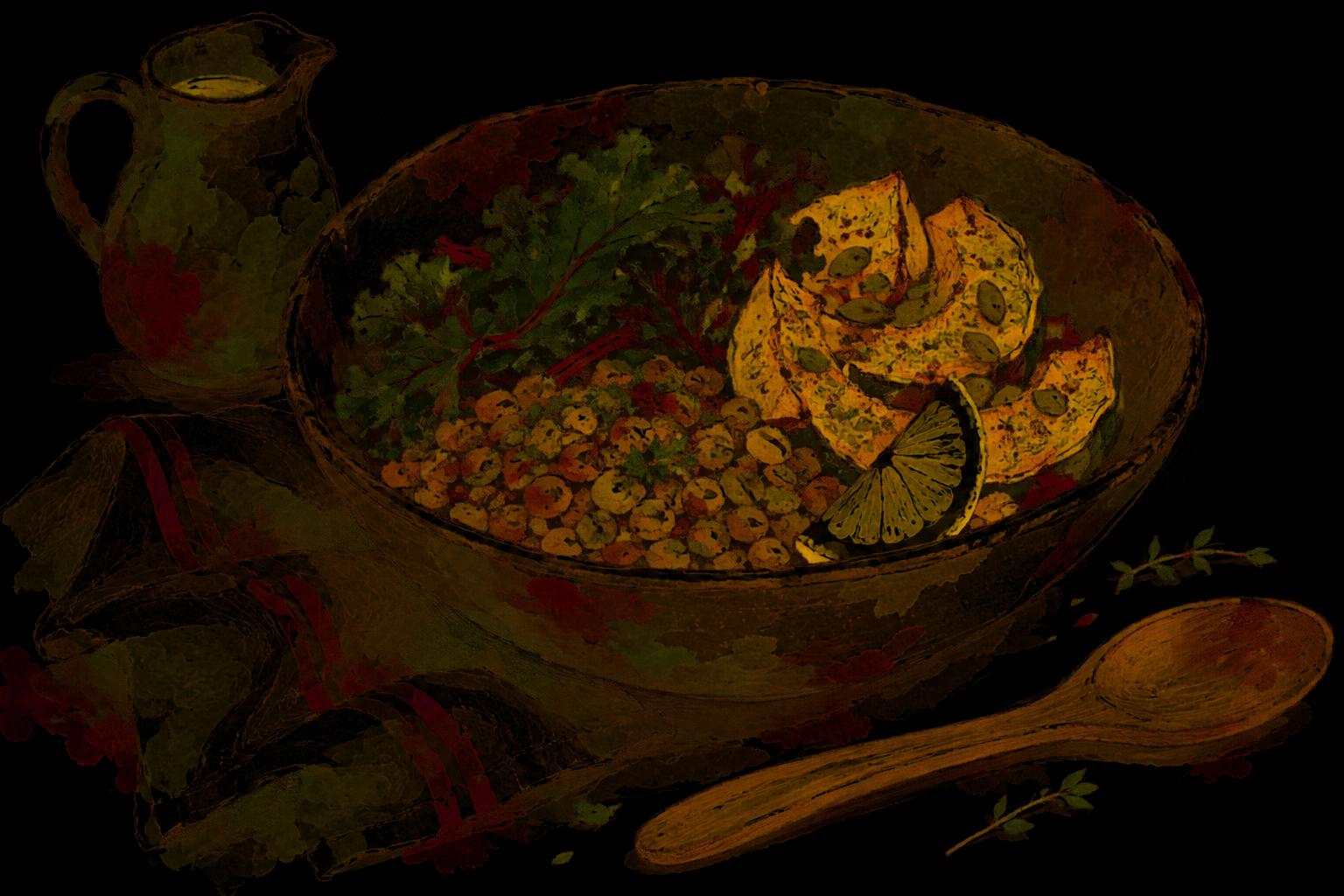
White bean soup is one of the simplest soups there is: white beans simmered with onion, garlic and herbs until they turn soft and creamy, then a few handfuls of greens and a squeeze of lemon at the end. From canned beans it takes about forty minutes. Below is my master recipe, how to make it from dried beans, and a few ways to change it.
I am a wellness coach, and I have eaten whole-food, plant-based for about thirty years, with no meat or dairy. In my book, Lifetime Body by Design, food is Right Feeding, the second petal of the Starflower, the method the book is built on. Whole-food, plant-based means no animal foods, and also food that is mostly whole and minimally processed. This soup fits that without any effort at all. Many white bean soup recipes start with bacon or finish with a rind of cheese, and you do not need either. The beans make their own creaminess.
What makes a good white bean soup
There are only four parts to get right.
- The beans. Cannellini are the classic choice, large and creamy. Great Northern and navy beans work too, and cook down a little softer.
- A slow, gentle base. Onion, celery and plenty of garlic, softened without rushing.
- One woody herb. Rosemary is my first choice, with thyme or sage close behind. One herb, used well, is better than five.
- Greens and acid at the end. Kale, chard, spinach or cabbage stirred in for the last few minutes, then lemon juice off the heat.
What sets it apart from minestrone, its busier cousin, is restraint. Minestrone is the whole vegetable drawer. White bean soup is mostly beans, so the beans have to taste of something.
My master white bean soup recipe
This makes four generous bowls.
Ingredients
- 1 tablespoon extra virgin olive oil, or a splash of water
- 1 large onion, finely chopped
- 2 sticks of celery, finely chopped
- 1 carrot, finely chopped (optional, for a little sweetness)
- 5 cloves garlic, sliced
- 1 sprig of fresh rosemary, or 1 teaspoon dried
- A pinch of chili flakes (optional)
- 3 cups (about 500 g) cooked cannellini beans, or two 15 oz (about 425 g) cans, drained and rinsed
- 4 cups (about 1 liter) vegetable stock or water
- 1 bay leaf
- 4 large handfuls of chopped greens: kale, chard, spinach or cabbage
- 1 lemon, zest and juice
- Salt and black pepper
- A small handful of chopped parsley, to finish
Method
- Warm the oil in a heavy pot over medium heat. Add the onion, celery and carrot with a pinch of salt and cook gently for about ten minutes, stirring now and then, until soft and translucent. Without oil, add water a spoonful at a time whenever the pan looks dry.
- Add the garlic, the rosemary and the chili flakes and stir for a minute, until the garlic smells sweet. Do not let it brown.
- Add the beans, the stock and the bay leaf. Bring to a boil, then turn down to a gentle simmer and half cover. Cook for about 20 minutes, so the beans soften further and flavor the broth.
- Take out the rosemary stalk and the bay leaf. Scoop out about a third of the soup, blend it smooth and stir it back in, or mash some of the beans against the side of the pot with a potato masher.
- Add the greens. Kale and cabbage need five minutes or so, chard about three, spinach only a minute.
- Off the heat, stir in the lemon zest and most of the juice. Taste, season with salt and plenty of black pepper, and add the rest of the lemon if it needs it.
- Serve with parsley on top and a few drops of good olive oil if you like.
Times are approximate. They change with your pot, your stove and your beans, so taste rather than watch the clock.
Making it from dried beans
Dried beans cost less and taste better, and they give you the cooking liquid, which is worth keeping. About 1¼ cups (around 250 g) of dried cannellini will give you roughly the 3 cups of cooked beans in the recipe.
Soak them overnight, drain them, then cook them in fresh water until they are soft all the way through. Cannellini are a white kidney bean, and from dried I treat them as carefully as red kidney beans: a hard, rolling boil first, then a gentle simmer. I explain the soaking, the boil and the approximate times in how to cook dried beans. Once they are tender, use some of their cooking liquid in place of part of the stock. It makes the soup silkier than stock alone.
Canned beans are already cooked and are perfectly good here. Rinse them well and go straight to step three.
Tuscan white bean soup and other variations
The base recipe takes well to small changes. These are the versions worth knowing.
| Version | What changes | Finish |
|---|---|---|
| Tuscan style | Kale (lacinato if you can find it) as the green, more rosemary, a can of chopped tomatoes with the stock | A little olive oil and black pepper |
| Spring | Leeks in place of onion, peas and spinach as the greens | Lots of parsley and lemon zest |
| Smoky winter | A teaspoon of smoked paprika with the garlic, cabbage as the green | A splash of red wine vinegar instead of lemon |
| With squash | A cup of diced butternut squash with the beans | Sage in place of rosemary |
| Creamier | Blend half the pot rather than a third | A spoon of tahini stirred into each bowl |
When people say Tuscan white bean soup, they usually mean something close to the first row: cannellini, garlic, rosemary and dark greens. It is plain food, and that is its charm.
Keeping a vegan white bean soup from tasting flat
Bean soups can taste dull, and when they do, the fix is nearly always one of these.
- Season in stages. A pinch of salt with the onions and another at the end does more than a big pinch at either point.
- Be generous with garlic. Five cloves is not too many for four bowls.
- Use the acid. Lemon is not decoration. A soup that tastes heavy usually needs lemon before it needs salt.
- Add depth with miso. A teaspoon of white miso stirred into a ladle of hot broth, then back into the pot off the heat, gives a savory note that many people take for cheese.
- Nutritional yeast at the table. A spoonful over each bowl for anyone who misses a cheesy finish.
Beans, garlic and lemon. Get those three right and the rest is detail.
Storing and reheating
The soup thickens as it sits, because the beans keep drinking the broth. Loosen it with a splash of water or stock when you reheat it, and bring it back until it is steaming hot all the way through. Cool any leftovers quickly, keep them covered in the fridge and eat them within a few days.
It freezes well in portions, ideally before you add the greens, which go a little dull when frozen. Stir fresh greens and lemon into each portion as you reheat it.
A pot like this on the stove once a week is one of the easiest habits I know for eating well, because it asks so little. If you want help making a habit like this stick, I wrote about that in how to build good habits. And if a quiet half hour while the soup simmers sounds like a luxury, I wrote about slow living too.
A few questions people ask me
What are the best beans for white bean soup? Cannellini, for their size and creaminess. Great Northern and navy beans are good too, and break down a little more, which makes a thicker soup.
Is cannellini bean soup the same as white bean soup? Usually, yes. Cannellini are the most common white bean in it, so most recipes use the names for the same soup.
How do I make white bean soup creamy without cream? Blend part of the pot, or mash some of the beans in it. The starch from the beans thickens the broth on its own.
Can I make it in a slow cooker? Yes, with canned beans or beans you have already fully cooked on the stove. Never put raw dried kidney beans or cannellini into a slow cooker. Add the greens and lemon at the end.
There is more from my kitchen under Whole food nutrition, and if you are just starting out, begin with how to go plant-based. For a quicker pot from the same pantry, try my lentil soup.
This article is general information and one person's experience. It is not medical or dietary advice. Please speak to your doctor or a registered dietitian before making significant changes to how you eat.
Carol Pocock is a wellness coach, yoga teacher and the author of Lifetime Body by Design. Guided sessions are at Lifetime Body by Design. More about Carol.

