Whole food nutrition
Whole-food, plant-based eating: what it means and how I eat
By Carol Pocock8 minute read
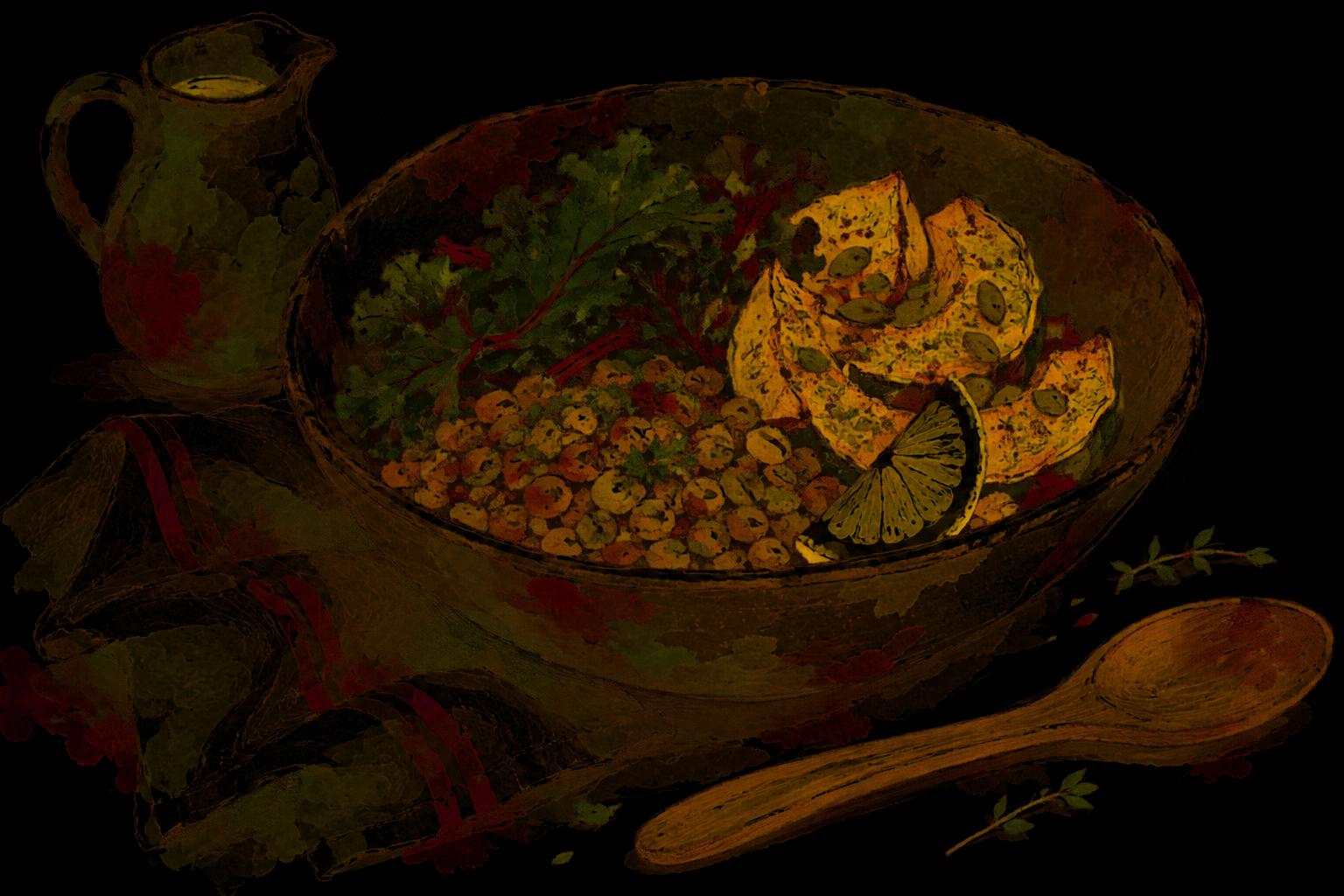
A whole food plant based diet is built from plants eaten close to how they grew: vegetables, fruit, beans, lentils, whole grains, nuts and seeds, with little added and little taken away. "Plant-based" says where the food comes from. "Whole-food" says what state it is in when it reaches your plate. In my own version there is no meat or dairy, no added sugar and no seed oils, and a little extra virgin olive oil.
I am a wellness coach, and I have eaten whole-food, plant-based for about thirty years. It is the term I use in my book, Lifetime Body by Design, and the heart of Right Feeding, the second petal of the Starflower. If you are looking for how to make the change, start with how to go plant-based, which walks through a gentle first month. If you want help telling a whole food from a food product, read what are whole foods? This piece sits between them: what the term means, how I eat, and what an ordinary week looks like.
What "whole-food, plant-based" means
In my book I describe it as eating that "omits animal derived food and prioritizes nutrient dense, minimally processed whole foods." Each part of that is doing a job.
- Plant-based means the base of every meal is plants. In my case there is no meat or dairy at all.
- Whole-food means those plants are mostly eaten as they grew, or close to it: an apple rather than apple juice, brown rice rather than rice crackers, beans rather than a bean-flavored snack.
- Nutrient dense means choosing foods that bring a lot with them: fiber, protein, vitamins and minerals, rather than calories alone.
That is why the term is narrower than "vegan". A vegan diet says what is left out. A whole-food, plant-based diet also says what goes in, and a plate of vegan cookies, white bread and processed burgers does not meet it. The difference is set out more fully in how to go plant-based.
People use "plant based diet" loosely. For some it means mostly plants with a little fish, egg or dairy; for me it means no meat or dairy. Where you sit on that line is yours to decide.
How I eat, in four lines
When people ask what I actually eat, this is my answer.
| My line | What it means in practice |
|---|---|
| No meat or dairy | No meat, fish, milk, cheese or butter; protein comes from beans, lentils, tofu, tempeh, nuts and seeds |
| No added sugar | Fruit is welcome; sugar, syrups and sweetened sauces, cereals and drinks are not |
| No seed oils | No sunflower, canola, corn or soybean oil, which also means very little packaged food |
| Extra virgin olive oil, in moderation | A little for roasting and dressings, not poured freely |
Processed plant-based meats and cheeses mostly stay out too, because they are vegan but not whole food, and white flour is kept to a minimum.
The seed oil line is my choice, and I would not press it on anyone. Those oils are usually refined and are common in packaged food, so leaving them out was the simplest way I found to keep processed food out of my cupboards. The research on them is debated, so treat that line as my practice, not a rule.
How I build a plate
There is no need to count calories or weigh food. I build each meal from the same few parts, and the variety comes from changing what fills each one.
| Part of the plate | Examples |
|---|---|
| Protein first | Lentils, chickpeas, black beans, tofu, tempeh, edamame |
| Plenty of vegetables | Greens, squash, carrots, peppers, mushrooms, cabbage, whatever is in season |
| A whole grain or starchy vegetable | Brown rice, oats, whole wheat pasta, potatoes, sweet potatoes |
| Something for flavor and richness | Seeds, nuts, tahini, a little olive oil, lemon, garlic, herbs, spices |
A plate built that way tends to be satisfying, and it looks after itself without a list of rules.
A whole food plant based meal plan: what a week looks like
Here is an ordinary week of the kind I eat. It is an example, not a plan to copy, and most of it comes from one cooking session and a few repeats.
| Day | Breakfast | Lunch | Dinner |
|---|---|---|---|
| Monday | Oats with ground flaxseed, walnuts and berries | Big salad with chickpeas and pumpkin seeds | Red lentil and vegetable soup, whole-grain toast |
| Tuesday | Peanut butter on whole-grain toast, a banana | Leftover lentil soup | Tofu and vegetable tray bake over brown rice |
| Wednesday | Oats with stewed apple and cinnamon | Big salad with leftover tofu and tahini dressing | Three-bean chili with a baked potato |
| Thursday | Tofu scrambled with spinach on toast | Leftover chili | Whole wheat pasta, tomato sauce, white beans and kale |
| Friday | Oats with soy yogurt and seeds | Big salad with black beans and avocado | Chickpea and vegetable curry with brown rice |
| Saturday | Something slower: a big tofu and mushroom scramble | Leftover curry | Roasted squash, lentils and greens with lemon |
| Sunday | Oats, fruit and nuts | Soup from whatever vegetables are left | Whatever is in the freezer from the week before |
Oats most mornings, a big salad most lunches, a pot of something that does two meals: the repetition is what makes it easy. For the cooking session that sets up a week like this, see my piece on vegan meal prep.
Whole food plant based recipes I come back to
Most weeks rest on the same five dishes.
- Red lentil soup. Onion, carrot, garlic, red lentils, canned tomatoes and stock, simmered for twenty minutes. It makes lunch for three days.
- Three-bean chili. Canned beans, tomatoes, peppers and spices. Better on the second day.
- The big salad. Greens, raw and roasted vegetables, a can of beans and a handful of seeds, with lemon and tahini.
- A tofu tray bake. Cubed firm tofu and chopped vegetables, roasted with a little olive oil, soy sauce and garlic.
- Oats. Cooked with fortified soy milk, with fruit, nuts and ground flaxseed on top.
The nutrients worth watching
Vitamin B12 is not reliably found in plant foods, so anyone eating fully plant-based needs it from a supplement or fortified foods. Calcium, vitamin D, iodine, omega-3 fats, iron and protein are also worth planning for, and the pillar piece on how to go plant-based has a table of where each comes from. Please speak to your doctor or a registered dietitian about what you personally need, especially if you are pregnant, have a health condition or take regular medication.
Whole food plant based diet for beginners: what to expect
A few honest notes.
- More fiber takes getting used to. Add beans and whole grains gradually, and expect a few windy weeks.
- There is more chopping. Cooking in batches is what makes it manageable.
- It can be cheap. Dried lentils, canned beans, oats and seasonal vegetables are among the least expensive foods in any store.
- Tastes change. Many people find that foods they once could not imagine giving up stop calling to them after a while.
Change one meal at a time rather than everything at once. That is how any habit takes root, and I wrote about it in how to build good habits. Food is also only one petal: a short walk after a meal, for example, belongs to Right Movement, and I wrote about building that kind of daily movement in how to start exercising. For guided sessions on the other petals, such as movement and breath, visit Lifetime Body by Design.
Build the plate from what goes on it, not from what you have given up.
A few questions people ask me
Is a whole food plant based diet the same as vegan? Not quite. Vegan means no animal foods. Whole-food, plant-based also means the food is mostly whole and minimally processed, so it leaves out a lot of vegan junk food too.
Can I eat bread and pasta? Yes, if they are whole grain and have a short list of ingredients with no added sugar. I eat both most weeks.
Do I have to give up oil completely? Not in my version. I leave out seed oils and use extra virgin olive oil in moderation.
Do I have to be strict about it? No. Eating mostly whole plant foods, most of the time, is a perfectly good place to be. I have simply found my four lines easier to keep than a list of exceptions.
There is more on the second petal under Whole food nutrition. If you are ready to begin, start with how to go plant-based, and for the shopping, my vegan grocery list.
This article is general information and one person's experience. It is not medical or dietary advice. Please speak to your doctor or a registered dietitian before making significant changes to how you eat, especially if you have a health condition, are pregnant or take regular medication.
Carol Pocock is a wellness coach, yoga teacher and the author of Lifetime Body by Design. Guided sessions are at Lifetime Body by Design. More about Carol.

