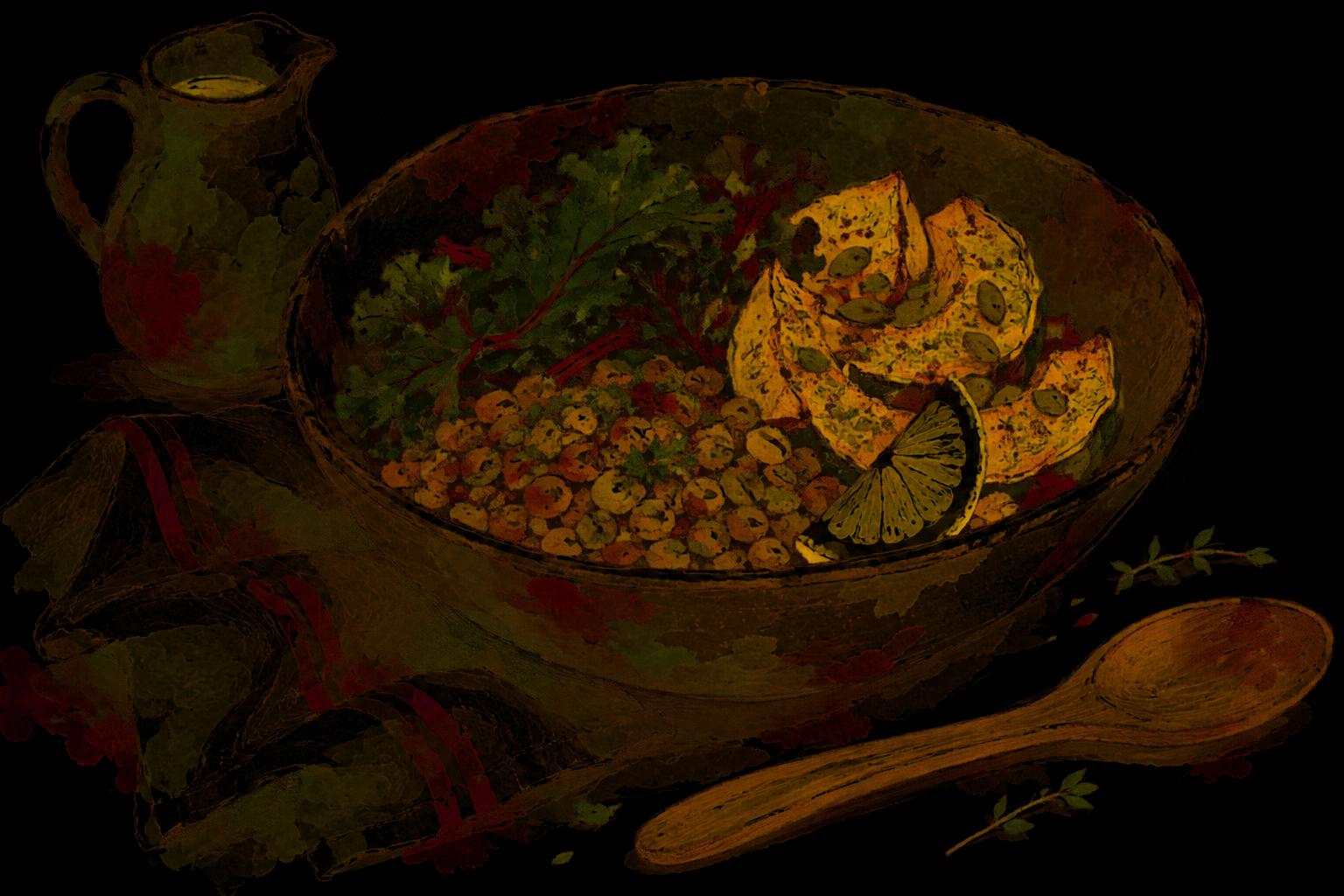
The secret to how to cook cabbage is either high heat for a short time or low heat for a long time, and never the middle road of boiling it until it is grey. Shredded cabbage in a hot pan turns sweet and golden in about ten minutes, and wedges roasted in a hot oven go crisp at the edges in about half an hour. Slowly braised, it becomes soft and mellow. Each method is below, with a table of approximate times.
I am a wellness coach, and I have eaten whole-food, plant-based for about thirty years, with no meat or dairy. Food is Right Feeding, the second petal of the Starflower, the method in my book, Lifetime Body by Design. Cabbage is one of the quiet heroes of that petal: cheap, filling, available all year and good for a week in the fridge. Plenty of people grew up with it boiled to a pale, sulfurous mush and have avoided it since. Cooked well, it is a different vegetable, and it is one of the easiest ways I know to eat more vegetables without spending much.
Why cabbage goes sad
Cabbage has a natural sweetness, and it also carries sulfur compounds that grow stronger the longer it sits in hot water. That is the smell of an overcooked pot. So the two things that ruin cabbage are too much water and too much time at a simmer. The two things that help it are browning, which brings out the sugars already in the leaves, and a bright finish, such as a squeeze of lemon or a splash of vinegar.
A few kitchen basics before you start:
- Choose a heavy head with tight, crisp leaves. Green, savoy and red cabbage all work in every method here; savoy is the most tender, red the firmest.
- Pull off the outer leaves if they are tired, then cut the head in half through the core and into quarters.
- Cut out the core at an angle for shredding. For roasted or steamed wedges, leave a little of the core on each one, because it holds the leaves together.
- A medium head goes a long way. About 2 pounds (900 g) of cabbage feeds four as a side dish, and half a head is plenty for two.
Cabbage cooking methods at a glance
These times are approximate. Stoves, ovens and the size of your cabbage vary, so taste or test with a knife near the end.
| Method | How to cut it | Heat | Approximate time | What you get |
|---|---|---|---|---|
| Sauteed on the stove | Shredded thin | Medium-high | 8 to 12 minutes | Sweet, tender, browned at the edges |
| Roasted | Wedges about 1½ inches (4 cm) thick, or thick rounds | 425°F (220°C) | 25 to 35 minutes, turned once | Crisp, charred edges, soft center |
| Braised | Shredded or thin wedges | Low, covered | 30 to 45 minutes | Soft, silky and mellow |
| Steamed or boiled | Wedges or shredded | Steam or a shallow simmer | Shredded 4 to 6 minutes; wedges 8 to 12 minutes | Tender and mild, if you stop on time |
How to cook cabbage on the stove: sauteed cabbage
This is the method I would teach first, because it is quick and it changes most people's minds about cabbage.
- Shred half a medium cabbage thinly, about the width of a pencil. Slice one onion.
- Warm 1 tablespoon of extra virgin olive oil in your widest pan over medium-high heat. Add the onion and cook for two or three minutes.
- Add the cabbage and a pinch of salt. Spread it out and leave it alone for a minute or two before stirring, so the bottom layer can brown.
- Keep cooking, stirring now and then, for 8 to 12 minutes, until it is tender, wilted and golden in places. If the pan gets too dry, add a tablespoon of water rather than more oil.
- Finish with black pepper and a squeeze of lemon or a splash of cider vinegar.
For an oil-free version, start the onion in a few tablespoons of water or stock, add more as it evaporates, and accept a little less browning. A crowded pan steams instead of browns, so if you are cooking a whole head, do it in two batches.
Good additions: garlic and a pinch of chili flakes; caraway or fennel seeds toasted in the pan first; grated ginger and a splash of soy sauce at the end; or a handful of cooked white beans to turn a side dish into dinner.
Roasted cabbage
Roasted wedges are the most surprising version. The outer leaves crisp up and char a little, and the middle turns soft and sweet.
- Heat the oven to 425°F (220°C). Line a tray with parchment.
- Cut a cabbage into wedges about 1½ inches (4 cm) thick at the widest point, keeping a little core on each.
- Brush them lightly with olive oil, or skip the oil and use the parchment. Season with salt, pepper and a spice such as smoked paprika, cumin or garlic powder.
- Roast for 25 to 35 minutes, turning once halfway, until the edges are deep brown and a knife slides easily into the thick end.
Serve them with a spoon of tahini thinned with lemon and water, or a quick herb sauce. A roasted wedge next to a bowl of lentil soup makes an easy winter supper.
Braised red cabbage
Braising is low and slow: the cabbage cooks gently in a little liquid in a covered pot until it is silky. It suits red cabbage especially, which many old recipes braise with sugar. You do not need it. A grated apple does the sweetening.
- In a heavy pot, soften one sliced onion in a teaspoon of olive oil or a splash of water for five minutes.
- Add half a red cabbage, shredded, one grated apple, a pinch of salt, a few cloves or a little ground allspice, and ½ cup (120 ml) of vegetable stock or water.
- Add 2 tablespoons of cider or red wine vinegar. The acid keeps red cabbage a deep purple; without it, the color can drift toward blue.
- Cover and cook on low for 30 to 45 minutes, stirring now and then, until very soft. Take the lid off for the last few minutes if there is too much liquid.
How to boil cabbage, or steam it, without ruining it
Boiled cabbage has a poor reputation, but it is not the method that is at fault, it is the timing. Use only an inch or two of water in the pot, or a steamer basket over it, and keep the lid on so the cabbage cooks quickly.
- Shredded: 4 to 6 minutes, until just tender and still bright.
- Wedges: 8 to 12 minutes, until a knife goes in easily.
Then drain it straight away, toss with a little olive oil or a spoon of mustard, salt, pepper and plenty of parsley.
Cabbage raw, as well
Not every cabbage needs a pan. Very thinly shredded cabbage tossed with lime juice and a pinch of salt softens in ten minutes and makes a crunchy topping for tacos and bowls; there is a version in my vegan dinner ideas. It belongs in a grain bowl too.
Cook cabbage hot and fast, or low and slow. The middle is where it goes sad.
Making it a habit
One head of cabbage can cover three meals in a week: sauteed one night, a raw slaw for lunch, wedges roasted on the weekend. Buying the same few dependable vegetables and cooking them a few ways is a small habit that makes plant-based eating feel easy rather than effortful, and small habits are the stem of my method. I wrote about why they last in how to build good habits. After a filling vegetable dinner, a short walk is a pleasant way to end the evening, and I wrote about that in walking for exercise.
A few questions people ask me
How long does cabbage keep? A whole head, unwashed and wrapped, keeps in the fridge for a week or two, often longer. Once cut, wrap the cut side and use it within a few days.
Why does my cabbage smell when I cook it? It has cooked too long, usually in too much water. Shorten the time, use less water, or switch to sauteing or roasting.
What can I add to cabbage for flavor? Onion and garlic first, then something sharp at the end: lemon, vinegar or mustard. Caraway, fennel seed, smoked paprika, cumin, ginger and chili all suit it.
Can I cook cabbage if it gives me wind? Many people find it gassy at first. Start with small, cooked portions, and if you have a digestive condition, ask your doctor or a dietitian.
There is more from my kitchen under Whole food nutrition, and if you are just starting to eat this way, begin with how to go plant-based. For guided sessions across the whole method, see Lifetime Body by Design.
This article is general information and one person's experience. It is not medical or dietary advice. Please speak to your doctor or a registered dietitian before making significant changes to how you eat.
Carol Pocock is a wellness coach, yoga teacher and the author of Lifetime Body by Design. Guided sessions are at Lifetime Body by Design. More about Carol.

