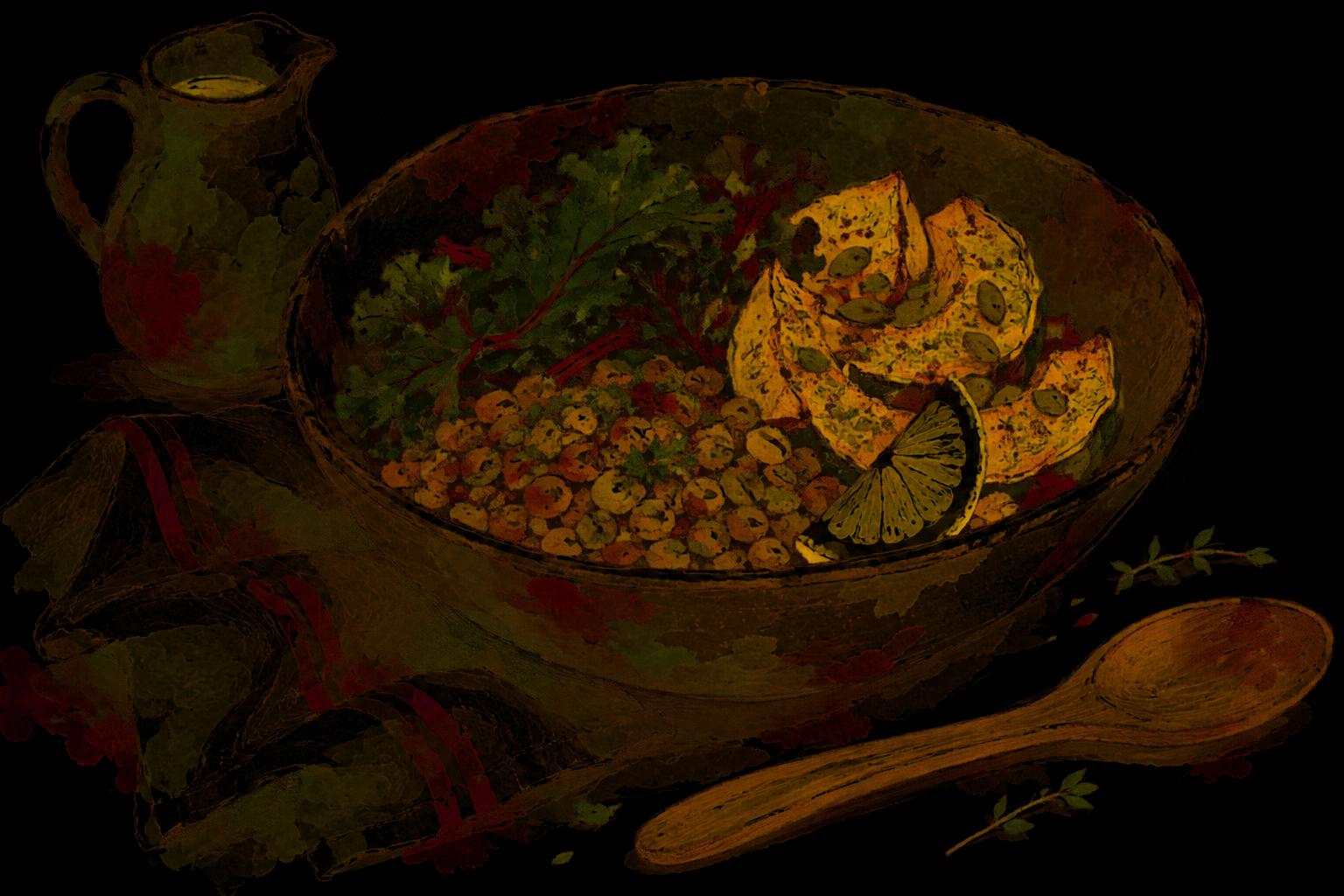
To cook couscous, pour one cup of boiling water or vegetable broth over one cup of couscous with a pinch of salt, cover it, and leave it for about five minutes. Then fluff it with a fork and it is ready. That one-to-one ratio works for regular and whole wheat couscous; pearl couscous is a different thing and simmers in a pot, which I cover further down.
I am a wellness coach, and I have eaten whole-food, plant-based for about thirty years, with no meat or dairy. Couscous earns a place in my kitchen for one reason: it is ready in about five minutes. No pot to watch, no rinsing, no long simmer. On an evening when nothing is planned, it can turn a can of chickpeas and a few vegetables into dinner in the time it takes to chop them.
What couscous is
Couscous is made from semolina, coarsely ground durum wheat, moistened and rolled into tiny granules. The Academy of Nutrition and Dietetics traces its origins to the Berber people of Numidia, in North Africa. The couscous on most shop shelves only needs soaking in hot liquid, which is why it is so quick.
That makes it closer to a small pasta than a whole grain like brown rice or quinoa. It is also why the kind you buy matters, which is the next section.
Whole wheat couscous vs regular
Couscous comes either refined, made from white semolina, or whole wheat, made with the whole grain. I always buy whole wheat. It has a slightly nuttier taste, a darker color and a bit more chew, and it fits a whole-food kitchen better. If you are used to the white kind, the switch is easy: the method is the same, and most people stop noticing the difference after a few meals.
One thing to know before you buy either: couscous is wheat, so it is not gluten-free. The Celiac Disease Foundation lists couscous among the common foods that contain gluten. If you need to avoid gluten, quinoa or millet are good stand-ins, and my method for quinoa is in how to cook quinoa.
How much water for couscous
Here is the ratio table. These are approximate amounts, and brands vary, so check the packet the first time you try a new one.
| Kind | Couscous | Liquid | Method | Approximate time |
|---|---|---|---|---|
| Regular (fine) | 1 cup (about 175 g) | 1 cup (about 240 ml) | Pour boiling liquid over, cover, rest | 5 minutes |
| Whole wheat | 1 cup (about 175 g) | 1 to 1¼ cups (240 to 300 ml) | Pour boiling liquid over, cover, rest | 5 to 7 minutes |
| Pearl | 1 cup (about 170 g) | 1¼ cups (about 300 ml) | Toast, then simmer covered | 8 to 12 minutes |
One cup of dry regular couscous swells to about three cups cooked, so use a bowl or pot with room to spare. A cup feeds three or four people as a side.
How to cook couscous, step by step
This is the method for regular and whole wheat couscous.
- Boil the liquid. Bring water or low-salt vegetable broth to a boil with a small pinch of salt. Broth gives a fuller taste; water is perfectly fine.
- Pour it over. Put the couscous in a heatproof bowl, or leave it in the pot off the heat, and pour the boiling liquid over it. Stir once so every grain is wet.
- Cover and wait. Put on a lid or a plate and leave it alone for about five minutes. Whole wheat may want a minute or two longer.
- Fluff it. Lift the lid and run a fork through the couscous, breaking up any clumps. It should be light and separate.
- Finish it. Stir in a squeeze of lemon, a little extra virgin olive oil if you like, black pepper and chopped herbs.
If it is still hard after resting, sprinkle over a tablespoon or two of boiling water and cover it again for a couple of minutes. If it is wet and heavy, you used too much liquid; spread it on a plate for a few minutes and it dries a little.
One cup, one cup, five minutes. Remember that and couscous is never a gamble.
Pearl couscous: a different method
Pearl couscous, also called Israeli couscous, is the round, chickpea-sized kind. The Academy of Nutrition and Dietetics describes it as a pasta product invented in Israel in the 1950s, which makes it a cousin of couscous more than a type of it. It does not soften by soaking, so it needs to simmer.
- Put 1 cup of pearl couscous in a dry pot over medium heat and stir for three or four minutes, until it smells toasty and turns a shade darker. No oil is needed.
- Add 1¼ cups of water or broth and a pinch of salt, and bring it to a boil.
- Turn the heat to low, cover, and simmer for about 8 to 12 minutes, until the liquid is absorbed and the pearls are tender with a little chew.
- Take it off the heat, leave it covered for a few minutes, then fluff.
Some cooks boil pearl couscous in plenty of water, like pasta, and drain it. That works well too and is harder to get wrong. Times vary from brand to brand, so taste as you go. Whole wheat pearl couscous exists and is worth looking for.
A couscous recipe to start with
Plain couscous is a base. Here is a simple warm bowl to show what it can do, for two:
- 1 cup whole wheat couscous, cooked as above in vegetable broth
- 1 can (about 15 oz, 425 g) chickpeas, drained and rinsed
- A tray of roasted vegetables: zucchini, red pepper, red onion, carrot
- A handful of chopped parsley or mint
- Juice of half a lemon, black pepper, a pinch of cumin
- A spoon of tahini sauce or a few toasted almonds on top
Fold everything together while the couscous is warm. It is just as good cold the next day for lunch. If you want more ideas built on the same pattern, the grain bowl formula works perfectly with couscous as its base, and couscous also stands in nicely for bulgur in a parsley-heavy salad like tabbouleh, though the texture is softer.
Storing leftovers. Cool cooked couscous quickly and refrigerate it in a covered container. The CDC advises refrigerating cooked leftovers within 2 hours, or within 1 hour if the food has been somewhere above 90°F. Eat it within a few days.
Where couscous fits
Food is Right Feeding, the second petal of the Starflower, the method in my book, Lifetime Body by Design. Each petal is a "Right Action", one part of a healthy life practiced until it becomes ordinary, and I set out the whole petal in how to go plant-based. Couscous will never be the star of that petal; vegetables and beans are. What it does well is make the good meal the quick one, which matters more on a tired weeknight than any recipe. That is the heart of how to build good habits. A short walk after dinner makes a good partner to an easy meal, too, and I wrote about that in walking for exercise.
A few questions people ask me
Is couscous a whole grain? Regular couscous is refined. Whole wheat couscous is made from the whole grain, so it is the one to choose if you can find it.
Why is my couscous mushy? Usually too much liquid, or stirring it while it rests. Measure one to one, cover it, and leave it alone until you fluff it.
Can I cook couscous in a microwave? Yes. Heat the water in a large microwave-safe bowl until boiling, stir in the couscous, cover and let it stand for five minutes, then fluff.
Can I eat couscous if I avoid gluten? Couscous is made from wheat, so it is best left out. Try quinoa or millet, and if you have a medical reason to avoid gluten, ask your doctor or a dietitian what is right for you.
There is more from my kitchen under Whole food nutrition. For guided sessions across the whole method, see Lifetime Body by Design.
This article is general information and one person's experience. It is not medical or dietary advice. Please speak to your doctor or a registered dietitian before making significant changes to how you eat.
Carol Pocock is a wellness coach, yoga teacher and the author of Lifetime Body by Design. Guided sessions are at Lifetime Body by Design. More about Carol.

