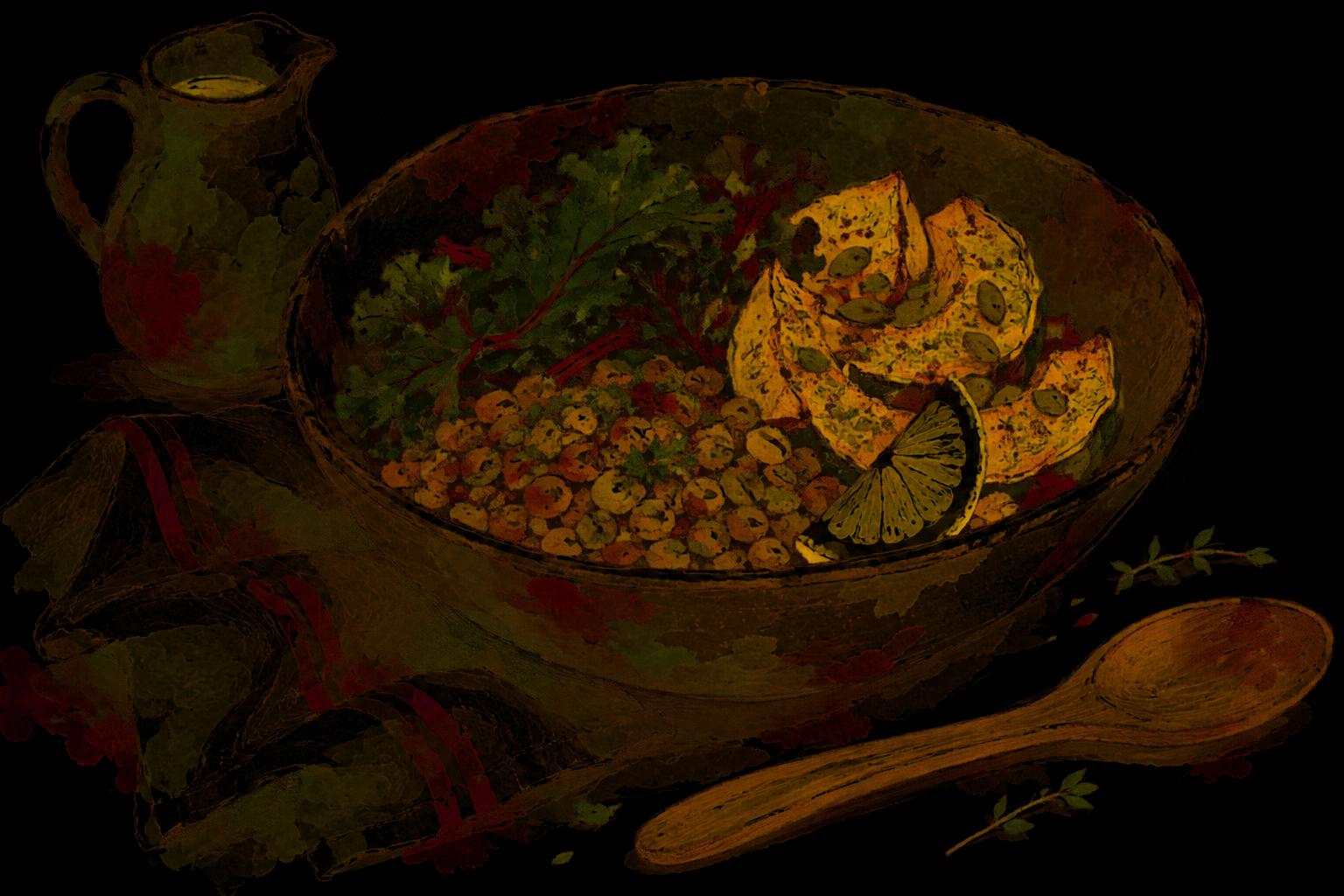
The simplest answer to how to cook turnips is to buy small ones, cut them into even pieces and roast them in a hot oven until the edges brown, about 30 to 40 minutes. Heat and browning take away the sharp, peppery bite and leave a mild, sweet root. They are also very good mashed, simmered into soup, and the leafy tops cook like any other green.
I am a wellness coach, and I have eaten whole-food, plant-based for about thirty years, with no meat or dairy, so humble vegetables like this one do a lot of work in my kitchen. Food is Right Feeding, the second petal of the Starflower, the method in my book, Lifetime Body by Design. If you are new to eating this way, start with how to go plant-based. This piece is about a root many people skip, and why it deserves another try.
Why turnips taste bitter, and how to fix it
Most people who dislike turnips met a big, old one, boiled until gray. Size matters more than anything. The University of Florida's gardening extension advises harvesting turnips at 3 inches across or less, and says larger ones become "pungent, pithy and stringy."
So the fix starts at the shop:
- Choose small turnips, roughly the size of a tennis ball or smaller. They should feel heavy and firm, with smooth skin.
- Buy them with their tops if you can. Fresh, perky greens are a sign the roots were pulled recently, and you get a second vegetable for free.
- Peel large ones, scrub small ones. Very small, young turnips have thin skin and need only a scrub. Anything bigger than a fist, peel thickly, because the layer under the skin carries most of the bitterness.
Then cook with heat that browns. Roasting and a good sear bring out sweetness. Long boiling in plenty of water does the opposite.
Roasted turnips
This is the method I would hand to anyone meeting turnips again. It follows the same rules as my roasted vegetables: even pieces, one hot tray, plenty of space.
- Heat the oven to 425°F (220°C) and line a tray with parchment.
- Peel or scrub about 1½ pounds (680 g) of turnips and cut them into 1-inch (2.5 cm) chunks or wedges.
- Toss with a teaspoon or two of extra virgin olive oil, or a splash of vegetable broth if you cook without oil, plus salt, pepper and a little dried thyme or rosemary.
- Spread them out so no piece touches another. Crowded turnips steam instead of browning.
- Roast for about 30 to 40 minutes, turning once halfway, until golden at the edges and soft in the middle when pierced with a knife.
Finish with a squeeze of lemon and chopped parsley. Times vary with your oven and the size of the pieces, so start checking at 25 minutes. Roasted turnips are lovely on the same tray as carrots, onions and wedges of sweet potato, which bring their own sweetness to the mix.
A small turnip and a hot oven will change your mind about turnips.
Mashed turnips without butter or cream
Turnip mash is lighter and a little more peppery than potato mash. Many people find they like it most as half and half.
- Peel and chop 1 pound (450 g) of turnips and 1 pound (450 g) of potatoes into similar chunks.
- Put them in a pot, cover with cold water, add a pinch of salt and bring to a boil. Simmer for about 15 to 20 minutes, until a knife slides in easily.
- Drain well, keeping half a cup (120 ml) of the cooking water. Let them steam dry in the pot for a minute or two, because turnips hold water and a wet mash is a sad mash.
- Mash with a splash of the cooking water or unsweetened plant milk, a teaspoon of extra virgin olive oil if you like, black pepper and a little nutmeg.
A roasted clove or two of garlic mashed in is very good. For an all-turnip mash, roast the chunks first instead of boiling them, then mash; the flavor is deeper and the texture less watery.
A simple turnip soup
When the drawer fills up with roots, I would rather make soup than waste them. This one serves about four.
| Ingredient | Amount |
|---|---|
| Turnips, peeled and chopped | About 1½ pounds (680 g) |
| Onion or leek, sliced | 1 large |
| Potato, peeled and chopped | 1 medium |
| Garlic | 2 cloves |
| Vegetable broth | 4 cups (about 1 liter) |
| Thyme, pepper, salt | To taste |
Soften the onion or leek in a large pot with a splash of water or a teaspoon of olive oil for about eight minutes. Add the garlic for a minute, then the turnips, potato, thyme and broth. Simmer for about 20 to 25 minutes, until everything is very soft, then blend until smooth. Thin with water if it is too thick, and finish with pepper and lemon. If you are using leeks, wash them well first: my piece on how to cook leeks shows how to get the grit out. For a heartier bowl, stir in a can of white beans before blending.
Turnip greens
Turnip greens are the leafy tops, and the University of Florida extension notes that some people grow turnips mainly for them. They taste a little like mustard greens, peppery when raw and mellow when cooked.
- Wash them well. Swish the leaves in a bowl of cold water and lift them out, leaving the grit behind. Repeat if the water looks sandy.
- Strip the thick stems and slice the leaves into ribbons.
- Quick sauté: cook a clove of sliced garlic and a pinch of chili in a pan, add the greens and a few tablespoons of water, cover for three or four minutes, then uncover and cook off the liquid. Finish with vinegar or lemon.
- Slow braise: simmer them with onion, smoked paprika and broth for 20 to 30 minutes, as in my method for how to cook collard greens. Turnip greens are more tender than collards, so they need less time.
Cut the greens off the roots as soon as you get home. Left attached, the leaves keep drawing moisture from the root, and both go limp sooner.
Turnip recipes for the week
| Way to cook | Approximate time | Good with |
|---|---|---|
| Roasted wedges | 30 to 40 minutes at 425°F (220°C) | Grain bowls, lentils, other roasted roots |
| Pan-seared slices | 10 to 15 minutes | A quick side with greens and beans |
| Half-and-half mash | 15 to 20 minutes simmering | Lentil stew, mushroom gravy |
| Blended soup | About 30 minutes | Whole-grain bread and a big salad |
| Grated raw | No cooking | Slaws, with apple and lemon |
| Stirred into stew | Last 20 minutes | Chickpea or bean stews |
Small young turnips can also be eaten raw. Slice them very thin or grate them into a slaw with carrot, apple and a lemony dressing.
Making them part of the week
Roots keep well, which makes them easy to have on hand. Stored without their greens in the crisper drawer, turnips usually last a week or two. Many people find it helps to roast one big tray at the start of the week and add a handful to meals as they go. A small, repeated step like that is how a habit lasts, which is the idea behind how to build good habits. Standing at the stove for half an hour can also be a calm, unhurried part of the day, which I wrote about in slow living. For guided sessions across the whole method, see Lifetime Body by Design.
A few questions people ask me
Do you have to peel turnips? Not small, young ones. Scrub them and cook them whole or halved. Peel anything larger, and peel it thickly.
What is the difference between turnips and rutabagas? Rutabagas are bigger, with yellow flesh and a sweeter, denser texture. They cook in much the same ways but usually take a little longer.
Why are my roasted turnips soggy? The tray was crowded, the oven was not hot enough, or the pieces were wet. Dry them, spread them out and give them room.
Can I freeze cooked turnips? Mash and soup freeze well for a few months. Roasted pieces turn soft after freezing, so they are best added to soup or stew.
There is more from my kitchen under Whole food nutrition, including roasted vegetables for every other root in the drawer.
This article is general information and one person's experience. It is not medical or dietary advice. Please speak to your doctor or a registered dietitian before making significant changes to how you eat, especially if you have a health condition or take regular medication.
Carol Pocock is a wellness coach, yoga teacher and the author of Lifetime Body by Design. Guided sessions are at Lifetime Body by Design. More about Carol.

