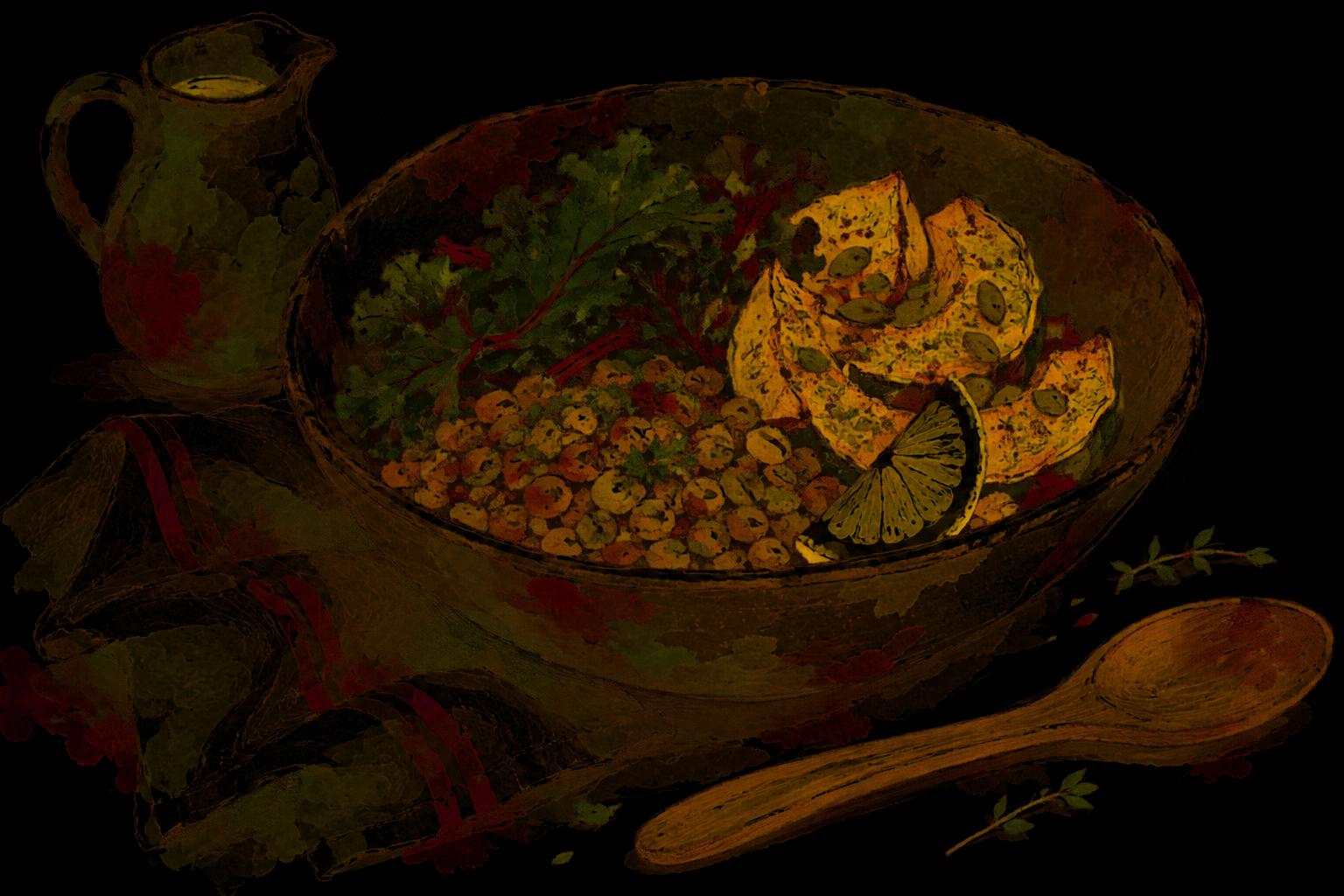
To cook leeks, trim off the root and the dark green tops, cut the leek in half lengthwise and rinse out the grit between the layers, then slice it and soften it gently in a pan for about ten minutes, until it is sweet and silky. For a side dish, braise the halves in a little broth for about twenty-five minutes. The cleaning is the part that matters most; once the grit is gone, leeks are a very forgiving vegetable to cook.
I am a wellness coach, and I have eaten whole-food, plant-based for about thirty years, with no meat or dairy. Many of my soups and stews start with an onion, and when I want something milder and softer, they start with a leek. In my book, Lifetime Body by Design, eating this way is Right Feeding, the second petal of the Starflower. If you are new to cooking without animal foods, how to go plant-based is the place to begin.
What a leek is, and why it is full of dirt
Leeks are related to onions, as the University of Maryland Extension notes, but they grow as a long, layered stem rather than a round bulb. They taste like a gentle, sweeter onion, with none of the sharp bite.
The pale part we eat most is the result of how they are grown. The same extension page explains that hilling soil up around the stems as they grow gives a longer blanched stem, and makes leeks more tender and mild. That soil is the reason for the grit. As the leek grows, earth works its way down between the layers, and a quick rinse of the outside will not reach it.
How to clean leeks
This is the main lesson, so I will go slowly.
- Trim. Cut off the hairy root end, keeping as little as possible so the layers stay joined for now. Cut off the dark green tops where the leaves start to fan out and feel tough.
- Peel. Remove one outer layer if it looks dry, torn or very dirty.
- Split. Cut the leek in half lengthwise, from the green end down toward the root.
- Fan and rinse. Hold each half under cold running water with the root end up and the cut side facing you. Fan the layers apart with your thumb so the water runs down between them and carries the soil out. Pay most attention to where the pale part turns green, because that is where the dirt hides.
- Check. Look between the layers. If you still see dark specks, rinse again.
If you are slicing the leeks anyway, there is an easier way: slice first, then drop the slices into a big bowl of cold water. Swish them around with your hands so the rings separate, wait a minute for the grit to sink, and lift the leeks out with your hands or a slotted spoon. Do not pour the bowl through a colander, or the grit goes straight back over them.
The US Food and Drug Administration advises gently rubbing produce under plain running water and says there is no need for soap or a produce wash.
A leek is only as good as the last grain of sand you took out of it.
How to cut leeks
Once they are clean, cutting is simple. The same flat-side habit from how to cut an onion keeps you safe: lay each half cut side down on the board so it cannot roll.
- Half-moons: slice across each half about a quarter inch (5 mm) thick. This is the cut for most soups and sautes.
- Thin ribbons: cut each half lengthwise into long strips, then across into short lengths. Good for quick cooking.
- Chunks: cut into pieces about an inch and a half (4 cm) long for roasting or for stews.
- Halves or quarters, root on: leave the root trimmed but attached so the layers hold together. This is the cut for braising.
What about the dark green tops? They are tough to eat as they are, but they are full of flavor. I keep them in a bag in the freezer and add them to the pot whenever I make vegetable broth.
Sauteed leeks: the gentle way
This is how I cook leeks as the base of a soup, a sauce or a pan of beans. It makes enough for a soup pot or a side for two.
- Clean and slice two medium leeks (about 1 pound, 450 g, before trimming) into half-moons.
- Warm a wide pan over medium-low heat with a teaspoon of extra virgin olive oil, or two or three tablespoons of water or broth if you cook without oil.
- Add the leeks with a pinch of salt and stir to coat.
- Cook gently for about ten to twelve minutes, stirring now and then, until they are soft, sweet and slumped. Add a splash of water if they start to stick or brown.
- Finish with black pepper and a little lemon juice or a few thyme leaves.
The thing to resist is high heat. Leeks scorch easily, and browned leeks turn bitter. Low and slow gives you the sweetness.
Braised leeks
Braised leeks are a quiet, lovely side dish and need very little.
- Clean four medium leeks and cut them in half lengthwise, keeping the trimmed root on so each half holds together.
- Lay them cut side down in a wide pan with a lid, in a single layer.
- Add about a cup (240 ml) of vegetable broth, a sliced clove of garlic, a few sprigs of thyme and a teaspoon of extra virgin olive oil if you like.
- Bring to a simmer, cover, and cook on low for about twenty to twenty-five minutes, until a knife slides through the thickest part easily.
- Uncover, turn the leeks over and let the liquid reduce for a few minutes. Finish with lemon zest, black pepper, and a mustard dressing or a spoon of tahini thinned with lemon.
How long to cook leeks
These times are approximate. They vary with the thickness of the leeks, your pan and your stove.
| Method | Cut | Approximate time | What you get |
|---|---|---|---|
| Gentle saute | Half-moons | 10 to 12 minutes | Soft, sweet base for soups and beans |
| Quick saute | Thin ribbons | 5 to 7 minutes | Tender with a little bite |
| Braise in broth | Halves, root on | 20 to 25 minutes | Silky side dish |
| Roast at 400°F (200°C) | Chunks or halves | 25 to 35 minutes | Golden edges, soft middle |
| Steam | Chunks | 8 to 10 minutes | Plain and tender, no oil |
| In soup | Half-moons, cooked first | Simmered with the soup | Mild onion depth |
Leek recipes for the week
- Potato and leek soup. Soften three leeks, add three or four diced potatoes and enough vegetable broth to cover, and simmer for about twenty minutes until the potatoes are tender. Blend some or all of it, and finish with black pepper and chives. No cream needed: the potato makes it thick.
- In minestrone. Leeks make a good spring base for minestrone soup, in place of some of the onion.
- With white beans. Stir sauteed leeks into warm white beans with lemon and parsley, and serve on toast or brown rice.
- With lentils. Use leeks as the base for a pot of lentils or lentil soup.
- In a tofu scramble. Fold a spoonful of soft leeks into a tofu scramble for breakfast.
A pot of potato and leek soup on the table is an easy meal to share, which is part of why I like it; I wrote about the habit of eating together in family dinner. Making one simple pot each week is a small, repeatable habit, the kind I write about in how to build good habits. For guided sessions across the whole method, go to Lifetime Body by Design.
A few questions people ask me
Which part of the leek do you eat? Mostly the white and pale green part. The dark green tops are tough but flavorful, so save them for broth.
Can I use leeks instead of onions? Yes, in most soups and stews. Use one medium leek for each small onion, and cook it more gently, because leeks burn faster.
How do I store leeks? Unwashed and untrimmed, loosely wrapped, in the vegetable drawer of the fridge. Clean them only when you are ready to cook. Cooked leeks keep about three days, covered, in the fridge.
Why are my leeks gritty even after washing? The soil sits low down where the pale part meets the green. Split them all the way and fan the layers under the tap, or slice them and soak them in a bowl of water before lifting them out.
There is more from my kitchen under Whole food nutrition, and if leeks have you cooking more onions too, read how to cut an onion.
This article is general information and one person's experience. It is not medical or dietary advice. Please speak to your doctor or a registered dietitian before making significant changes to how you eat, especially if you have a health condition or take regular medication.
Carol Pocock is a wellness coach, yoga teacher and the author of Lifetime Body by Design. Guided sessions are at Lifetime Body by Design. More about Carol.

