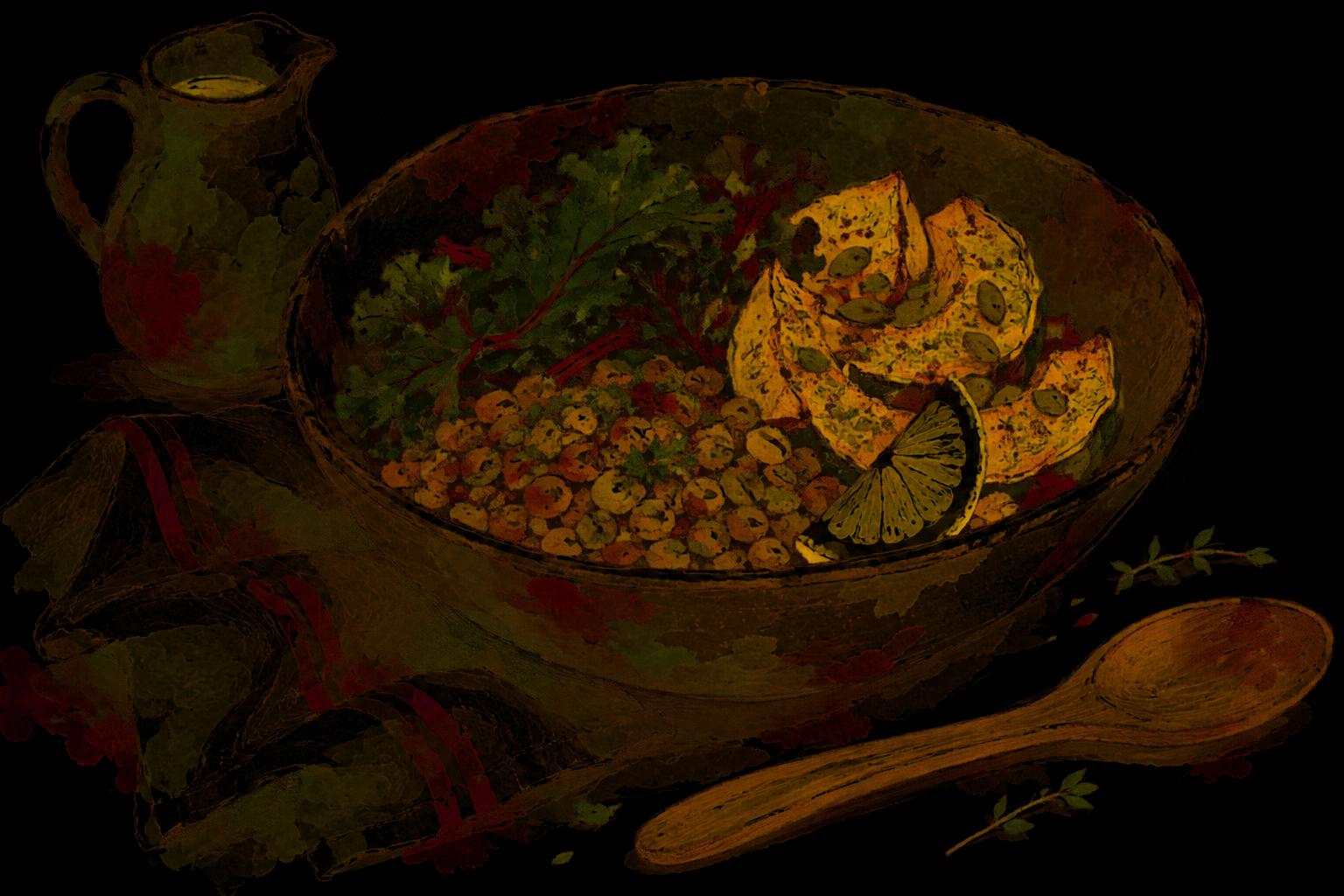
To cook wild rice, rinse one cup of it, put it in a pot with about three to four cups of water and a pinch of salt, bring it to a boil, then lower the heat, cover it and simmer for 45 to 60 minutes, until most of the grains have split open and are tender but still chewy. Drain off any water left in the pot, put the lid back on and let it rest for five to ten minutes. That is the whole method: plenty of water, patience, and checking it rather than trusting the clock.
I am a wellness coach, and I have eaten whole-food, plant-based for about thirty years, with no meat or dairy. In my book, Lifetime Body by Design, food is Right Feeding, the second petal of the Starflower, the method the book is built on. Right Feeding means eating mostly whole plant foods, cooked simply, and whole grains are a steady part of it. Wild rice is the grain I bring out when a meal wants to feel a little special without any extra work. If you are new to eating this way, start with how to go plant-based.
What is wild rice?
Wild rice is the grain of a tall grass that grows in water. Dictionary.com defines it as "a tall aquatic grass, Zizania aquatica, of northeastern North America", and the grain of that plant used for food. The USDA Forest Service notes that wildrice, like commercial rice, is a grass, and that it grows in lakes, flowages and rivers where the water is about half a foot to three feet deep. So it is a cousin of the rice in your pantry in the sense that both are grasses, but it is a different plant, which is why the title of this piece says it is not really rice.
It also has a long history as food. The Forest Service describes it as traditionally harvested by canoe, and as a significant plant to Native American tribes where it grows, called manoomin in Anishinaabe. The US Fish and Wildlife Service notes that Minnesota recognizes wild rice as its official state grain.
In a shop it is the dark, long, slender grain, sold on its own or in a blend with brown rice. For a blend, follow the package, since the two grains cook at different speeds.
Why wild rice fits a whole-food kitchen
Wild rice is a whole grain you can see. Nothing has been taken out of it or added in. In what are whole foods I set out the simple test I use, which is whether a food still looks like the thing that grew, and wild rice passes it easily.
It cooks up chewy, nutty and a little smoky, with a texture quite unlike soft white rice. Many people find a spoonful of it makes an ordinary bowl of vegetables and beans feel like a proper dinner. It is pricier than brown rice, so I often mix the two, which I explain below.
Wild rice ratio and how long to cook wild rice
These are the amounts and times I use. They are approximate: wild rice varies a lot from one package to the next, and older or more processed grain cooks faster than very dark, hard grain.
| Method | Water per 1 cup dry wild rice (about 160 g) | Approximate time | What you get |
|---|---|---|---|
| Simmer and drain | 3 to 4 cups (700 ml to 1 liter) | 45 to 60 minutes, then drain and rest 5 to 10 minutes | The most reliable: chewy, separate grains |
| Absorption (covered pot) | About 3 cups (700 ml) | 50 to 60 minutes, then rest 10 minutes | Softer, no draining, easy to scorch if the heat is high |
| Oven-baked | 3 cups (700 ml), boiling | About 1 hour at 350°F (175°C), covered | Hands-off, good for a big batch |
| Pressure cooker | Follow the maker's instructions | Set by the machine | Much quicker; times vary by model |
One cup of dry wild rice makes roughly three to four cups cooked, which is enough for four people as a side or a week of spoonfuls on bowls and salads.
How to cook wild rice on the stove
The simmer-and-drain method is the one I recommend to anyone cooking it for the first time, because it is very hard to get wrong.
- Rinse the rice in a sieve under cold water for a minute, moving it about with your hand. This washes off dust and any bits of husk.
- Bring a pot of water to a boil, about three to four cups for each cup of rice, with a pinch of salt.
- Add the rice, lower the heat and cover. You want a steady, gentle simmer, not a rolling boil.
- Start checking at 45 minutes. Bite a few grains. They are ready when most of them have split open and curled a little, showing the pale inside, and they are tender with a bit of chew.
- Drain any water left in the pot through a sieve, tip the rice back in, cover and leave it off the heat for five to ten minutes so it can steam dry.
- Fluff it with a fork.
Stop when the grains have just begun to open for a firm bite, or a little later for something softer. Neither is wrong.
Wild rice tells you when it is done: the grains open.
The usual mistakes are too little water (the white rice ratio dries the pot out long before the grains are cooked) and cooking it until the grains burst into mush. Go generous with water, and set a timer to check, not to finish.
A simple wild rice recipe for the week
This is the way I most often eat it, as a warm grain salad that keeps for a few days in the fridge.
- 1 cup (about 160 g) wild rice, cooked as above and cooled a little
- 1 can (15 ounces, 425 g) chickpeas or white beans, drained and rinsed
- 2 big handfuls of chopped kale or spinach
- 1 small red onion, finely sliced, or 3 spring onions
- A handful of toasted pumpkin seeds or chopped walnuts
- A handful of chopped parsley
- For the dressing: juice of 1 lemon, 1 tablespoon of tahini, 1 teaspoon of Dijon mustard, a splash of water, salt and pepper
Toss the warm rice with the greens so they soften a little, add everything else, and dress it. A teaspoon of extra virgin olive oil in the dressing is fine if you like it; I usually leave it out and let the tahini do that job.
For other days, a few plain ideas:
- Half and half with brown rice. Cook them in separate pots, or start the wild rice first and add brown rice partway through, then mix. It stretches the wild rice and softens its chew. I cover brown rice in how to cook brown rice.
- Under roasted vegetables. Squash, red onion and Brussels sprouts on a bed of wild rice with a spoon of tahini sauce.
- Mixed with quinoa for a quicker bowl, since quinoa cooks in about a quarter of the time. See how to cook quinoa.
How to store cooked wild rice
I treat leftover wild rice like any cooked grain: cool it quickly on a tray, keep it covered in the fridge, eat it soon and reheat it only once, until steaming hot. Check the food-safety guidance where you live. It freezes well in flat bags of single portions. It fits neatly into a week of vegan meal prep.
Cooking one pot on a Sunday and using it through the week is a small habit, and small habits repeated are what the whole method rests on. That is the idea behind how to build good habits. A warm bowl of it is also a good thing to come home to after a walk, which I write about in walking for exercise. For guided sessions across the whole method, see Lifetime Body by Design.
A few questions people ask me
Do I need to soak wild rice? No. Soaking for a few hours can shorten the cooking time a little, but rinsing is enough.
Why is my wild rice still hard after an hour? Some packages are simply harder grain. Keep it simmering, add boiling water if needed, and check every ten minutes.
Is wild rice gluten-free? Wild rice is not one of the grains the US National Institutes of Health lists as containing gluten (wheat, barley, rye and triticale), but blends and seasoned mixes can contain other ingredients. Read the label, and if you have celiac disease or a wheat allergy, follow your doctor's advice on cross-contact.
Is wild rice good for you? That is a question for your doctor or a dietitian, especially if you have a health condition. I simply eat it as one whole grain among many.
There is more from my kitchen under Whole food nutrition, and if you want a quicker everyday grain, try how to cook quinoa.
This article is general information and one person's experience. It is not medical or dietary advice. Please speak to your doctor or a registered dietitian before making significant changes to how you eat.
Carol Pocock is a wellness coach, yoga teacher and the author of Lifetime Body by Design. Guided sessions are at Lifetime Body by Design. More about Carol.

