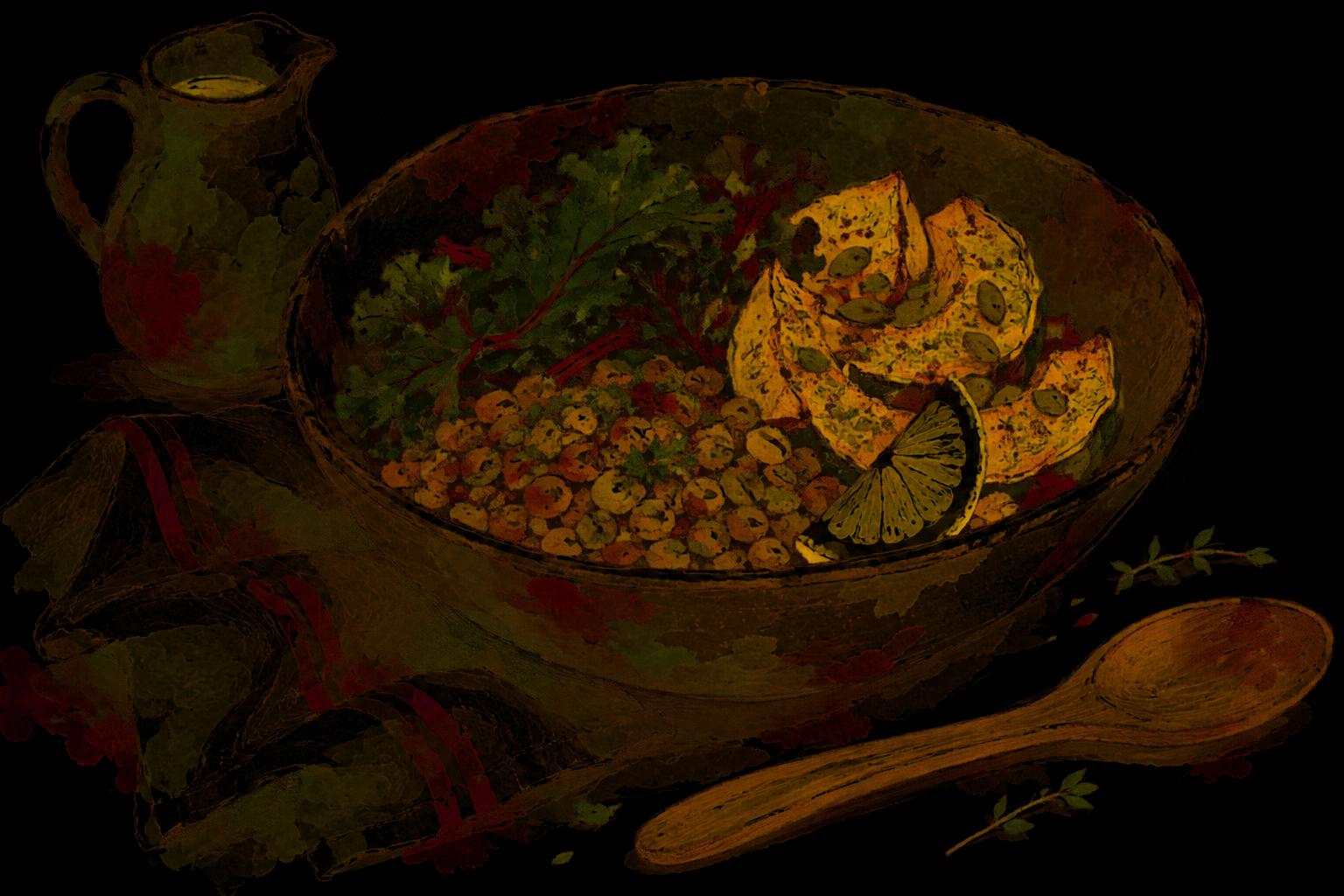
So what is buckwheat? Despite the name, it is not wheat at all. It is the seed of a plant that the Whole Grains Council calls a cousin of rhubarb, cooked and eaten like a grain, and pure buckwheat is naturally gluten free. You buy it as small, three-sided groats, either pale and raw or brown and toasted, and a pot of them simmers in about 15 to 20 minutes.
I am a wellness coach, and I have eaten whole-food, plant-based for about thirty years, with no meat or dairy. I like having one or two foods in the cupboard that surprise people, and buckwheat is one of them. Most people know it only as a pancake mix, if at all. Cooked as a whole groat, it is earthy, filling and very cheap, and it makes a fine change from rice.
Where buckwheat belongs in the way I eat
In my book, Lifetime Body by Design, food is Right Feeding, the second petal of the Starflower. Each petal is a "Right Action", one part of a healthy life practiced until it becomes ordinary, and Right Feeding is about whole foods, eaten close to the way they grow. A seed you cook from whole fits that well. I set out the wider petal in how to go plant-based.
What buckwheat is, exactly
The Whole Grains Council describes buckwheat as botanically a cousin of rhubarb, "not technically a grain at all", and certainly not a kind of wheat. It groups buckwheat with the pseudo grains: plants outside the grass family that true cereals such as wheat, rice and barley belong to, but whose seeds we cook and eat the same way. Quinoa is another one.
You will find buckwheat in a few forms:
- Raw groats. The hulled whole seeds, pale green to tan. They taste mild and a little grassy.
- Toasted groats, or kasha. The Whole Grains Council notes that in Eastern Europe buckwheat is roasted and made into a porridge called kasha, which it calls one of the national dishes of Russia. In shops, "kasha" often just means toasted groats. They are darker and taste much stronger and nuttier.
- Buckwheat flour. Ground groats, used in pancakes, crêpes and noodles. The Whole Grains Council notes that Japan's soba noodles and the crêpes of Brittany are both made with buckwheat.
If you are new to it, start with toasted groats if you like strong, earthy flavors, and raw ones if you prefer something gentle.
Is buckwheat gluten free?
Pure buckwheat is. The Celiac Disease Foundation lists buckwheat groats, also known as kasha, among the naturally gluten-free grains and seeds.
Two cautions matter if you avoid gluten for a medical reason:
- Cross-contact. The same foundation notes that some naturally gluten-free grains can pick up gluten in fields, mills and factories. It advises buying versions tested for gluten and labeled as containing less than 20 parts per million, and avoiding bulk bins. Check the label every time, even on a brand you know.
- Mixed products. Many buckwheat foods are not pure buckwheat. The Celiac Disease Foundation lists soba made with only a percentage of buckwheat flour among foods that contain gluten, because the rest is usually wheat. The same goes for many buckwheat pancake mixes and breads. Read the ingredients.
If you have celiac disease or a wheat allergy, your doctor or a dietitian can tell you what is right for you.
How to cook buckwheat groats
The Whole Grains Council gives a simple ratio: one cup of dried groats to two cups of liquid, brought to a boil and then simmered for about 20 minutes, which it says gives about four cups cooked. That is a good starting point, with one adjustment: groats vary, and raw groats in particular go from tender to porridge quickly, so taste from about 10 minutes on.
Here is the method for 1 cup (about 170 g) of groats:
- Rinse. Tip the groats into a fine sieve and rinse them under cold water until it runs fairly clear.
- Toast, if you like. For raw groats, stir them in a dry pot over medium heat for three to five minutes, until they smell nutty and turn a shade darker. This is how you make your own kasha. Skip this step for groats that are already toasted.
- Add the liquid. Pour in 2 cups (480 ml) of water or low-salt vegetable broth and a pinch of salt, and bring it to a boil.
- Simmer. Cover, turn the heat to low and simmer for about 10 to 20 minutes, until the water is absorbed and the groats are tender but still hold their shape.
- Rest and fluff. Take the pot off the heat, leave it covered for five minutes, then fluff gently with a fork.
These times are approximate and vary with the groats, the pot and the stove.
| Raw groats | Toasted groats (kasha) | |
|---|---|---|
| Color | Pale green to tan | Reddish brown |
| Flavor | Mild, a little grassy | Strong, earthy, nutty |
| Texture when cooked | Softer, can turn creamy | Holds its shape better |
| Best for | Porridge, soaking, gentle salads | Pilafs, bowls, a side for vegetables |
For fluffy, separate groats, use a little less water, about 1¾ cups, and do not stir while they cook. For porridge, use more liquid, three cups or so, and stir now and then.
Buckwheat is the grain that is not a grain. Cook it like one and nobody minds.
Easy ways to use a pot of buckwheat
- Warm breakfast porridge. Simmer raw groats with water or unsweetened plant milk until creamy, then add berries, cinnamon and a spoon of nut butter. Some people prefer to soak raw groats overnight in plant milk in the fridge and eat them cold; rinse them well first, as they turn a little slippery.
- A mushroom and onion pilaf. Cook toasted groats in broth. Meanwhile soften a sliced onion and a pan of sliced mushrooms in a splash of water or a little extra virgin olive oil, then fold them through with black pepper and chopped dill or parsley.
- In a grain bowl. Use cooked groats as the base of a grain bowl with beans, roasted vegetables, greens and tahini.
- In soup. A half cup of groats simmered in a vegetable soup for its last 15 minutes thickens it and makes it a meal.
- A crunchy topping. Toasted raw groats, cooled, add crunch to a salad or a bowl of porridge. The Whole Grains Council suggests toasted buckwheat as a salad topping too.
Buckwheat vs quinoa and barley
All three fill the same place on a plate, but they are not interchangeable for everyone:
- Quinoa is also a seed and also naturally gluten free. It is milder and cooks in a similar time. My method is in how to cook quinoa.
- Barley is a true cereal, and it contains gluten. It is chewier and slower, and lovely in soups, as I explain in how to cook barley.
If you are cooking for someone who avoids gluten, buckwheat and quinoa are the two to reach for, labels checked.
Making it a habit
Buckwheat is cheap and keeps well. Store dry groats in a sealed jar in a cool, dark cupboard. Cooked groats keep in a covered container in the fridge for several days and freeze well in flat bags.
The point is to have it ready. Cook a pot on the weekend and two or three meals are half made, which is the stem of the Starflower, Right Habits, at work: make the good choice the easy one, then repeat it. I wrote more about that in how to build good habits. A short walk after a meal like this is a pleasant partner to it, and I wrote about that in walking for exercise.
A few questions people ask me
Does buckwheat have wheat in it? Pure buckwheat does not. It is a different plant altogether. Products made from it may have wheat added, so read the ingredients.
Why is my buckwheat mushy? Usually it cooked too long or had too much water, which happens quickly with raw groats. Toast them first, use a little less water and start tasting early.
What does buckwheat taste like? Raw groats are mild and slightly grassy. Toasted groats are deep, earthy and nutty, closer to the taste of a dark rye bread.
Is kasha the same as buckwheat? Kasha is toasted buckwheat, and the name is also used for the porridge made from it.
There is more from my kitchen under Whole food nutrition. If you are new to eating this way, begin with how to go plant-based. For guided sessions across the whole method, see Lifetime Body by Design.
This article is general information and one person's experience. It is not medical or dietary advice. Please speak to your doctor or a registered dietitian before making significant changes to how you eat.
Carol Pocock is a wellness coach, yoga teacher and the author of Lifetime Body by Design. Guided sessions are at Lifetime Body by Design. More about Carol.

