Whole food nutrition
How to cook butternut squash, starting with how to cut it
By Carol Pocock8 minute read
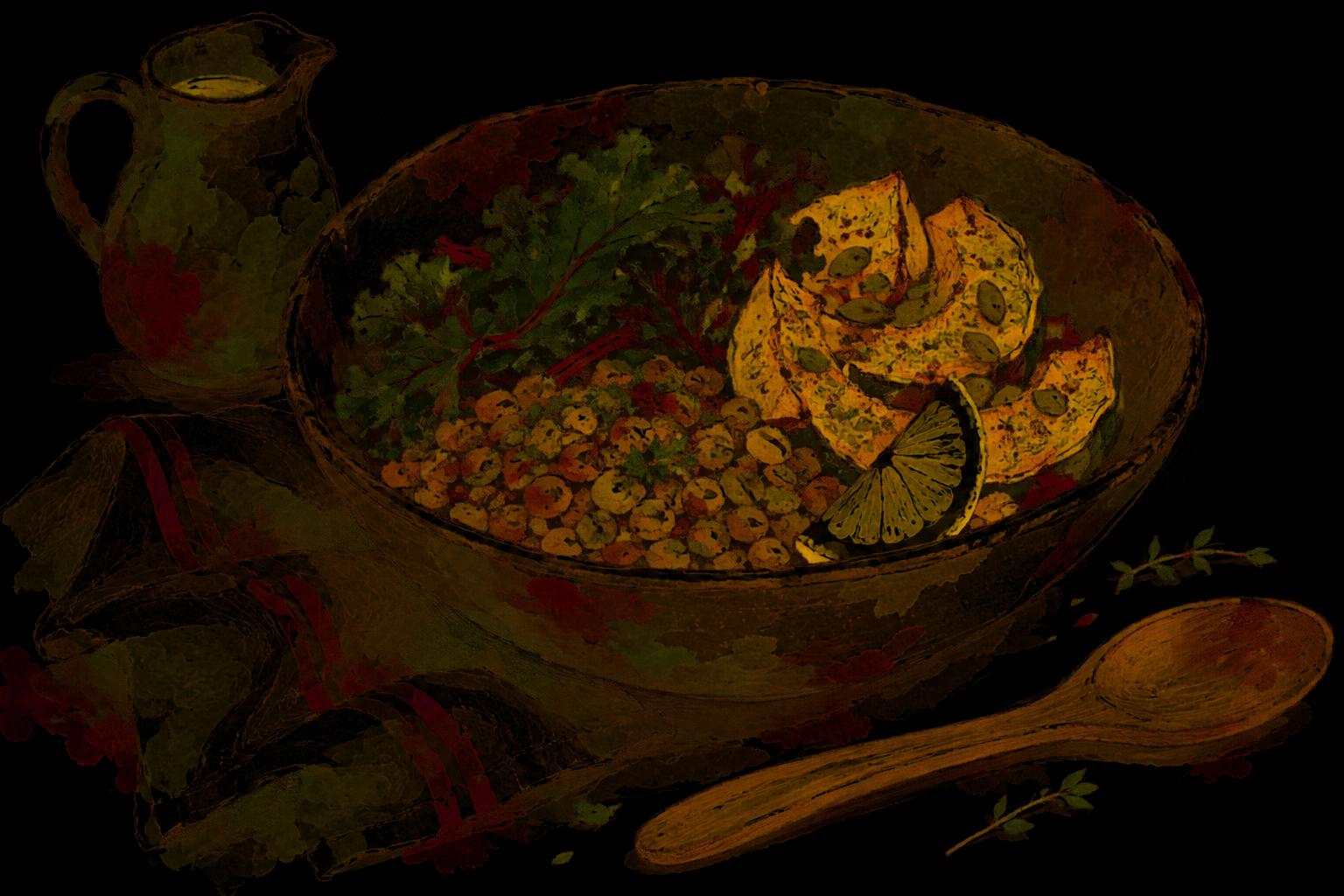
The easiest way to cook butternut squash is to roast it: cut it on a flat base, peel it, scoop out the seeds, cut it into 1-inch (2.5 cm) cubes and roast them at 425°F (220°C) for about 25 to 35 minutes, until the edges brown. If you would rather not peel it at all, halve it and roast it cut side down, or roast it whole. The cooking is simple. The cutting is the part that worries people, so that comes first.
I am a wellness coach, and I have eaten whole-food, plant-based for about thirty years, with no meat or dairy. A butternut squash sits in my kitchen most of the autumn and winter, because it keeps, it fills a plate and it needs nothing added to taste good. In my book, Lifetime Body by Design, food is Right Feeding, the second petal of the Starflower, the method the book is built on. If you are new to eating this way, how to go plant-based is the place to start. This piece is about one vegetable, cooked well.
Choosing a butternut squash
Look for one that feels heavy for its size, with matte, even, beige skin and no soft patches, cracks or mold near the stem. A long, thick neck is worth having: the neck is solid flesh with no seeds, so it gives you the most cubes for the least work. The round bulb at the bottom holds the seeds.
A whole squash does not need the fridge. Iowa State University Extension recommends storing cured winter squash at 50 to 55°F and says a properly cured and stored butternut lasts about two to three months. It also advises keeping squash away from apples, pears and other ripening fruit, which shorten its storage life. A cool cupboard or a corner of the kitchen away from the fruit bowl is fine for a few weeks. Once it is cut, wrap it and refrigerate it, and use it within a few days.
How to cut butternut squash safely
A butternut squash is hard, round and slippery, which is a bad combination under a knife. Every rule below is about one thing: never let it roll.
- Use a large, sharp chef's knife and a heavy board. A dull knife needs more force and slips more easily. Put a damp cloth under the board so it stays put.
- Soften it first, if you like. Prick the skin a few times with a fork and microwave the whole squash for two or three minutes. It is still raw, but the skin and flesh give a little and the knife goes in more easily. Let it cool enough to handle.
- Cut off both ends. Slice a thin piece off the stem end and off the bottom. Now it has two flat ends.
- Separate the neck from the bulb. Stand the squash up on its wider flat end, or lay it down and cut across where the neck meets the round part. You now have two pieces that each sit flat.
- Stand each piece on a flat face before every cut. Halve the bulb from top to bottom and scoop out the seeds and stringy pulp with a metal spoon. Halve the neck lengthwise too, or cut it into rounds.
Keep the fingers of your other hand curled back from the blade.
How to peel butternut squash
A sturdy Y-shaped vegetable peeler does this better than a knife. Peel the neck and bulb pieces after you have cut them, while they sit flat on the board, working from top to bottom. Go over it twice: under the first, tan layer is a pale, slightly greenish layer that stays tough when cooked, and you want to reach the bright orange flesh below it.
Some people find the raw flesh leaves their hands feeling dry and tight; gloves help.
You can also skip peeling entirely. Roast the squash in halves and scoop out the soft flesh afterwards, or roast it in thick slices with the skin on. The skin of a well-roasted butternut is thin enough that many people eat it.
How to roast butternut squash
Cubed and roasted is the version I make most, because it goes into everything for days.
- Cut evenly. Aim for 1-inch (2.5 cm) cubes, all about the same size, so they finish together.
- Oil lightly, or not at all. For a medium squash, a teaspoon or two of extra virgin olive oil is plenty. You can also roast the cubes dry on parchment; they brown a little less but still caramelize at the edges.
- Season simply. A pinch of salt and black pepper, plus one spice: cumin, smoked paprika, cinnamon, or a few sprigs of thyme or rosemary.
- Give them room. Spread the cubes in a single layer with space between them. A crowded tray steams instead of browning, so use two trays if you need to.
- Roast hot. 425°F (220°C), turning them once halfway.
They are done when a knife slides into the cubes easily and the edges have dark gold patches.
How long to roast butternut squash, and other methods
Times are approximate. They vary with the size of the squash and the pieces, and with your oven, so check with a knife rather than the clock.
| Method | How | Heat | Approximate time | Best for |
|---|---|---|---|---|
| Roast in cubes | Peeled, 1-inch (2.5 cm) cubes, single layer, turned once | 425°F (220°C) | 25 to 35 minutes | Bowls, salads, side dishes |
| Roast in halves | Halved lengthwise, seeds out, cut side down on parchment | 400°F (200°C) | 40 to 60 minutes | No peeling; mash, soup, stuffing |
| Roast whole | Pricked several times with a knife, on a lined tray | 400°F (200°C) | About 1 to 1½ hours | When cutting raw feels too hard |
| Steam | Peeled cubes in a steamer basket over simmering water, covered | Medium | 10 to 15 minutes | Cooking without any oil |
| Simmer in soup or stew | Peeled cubes added with the other vegetables | Gentle simmer | 15 to 20 minutes | Soups, dal, curries |
Whole roasting is the answer for anyone who finds the knife work hard on the hands. Once it is soft right through, let it cool for ten minutes, then halving it is as easy as cutting a baked potato. Scoop out the seeds and the flesh comes away from the skin with a spoon.
Steaming, mashing and soup
Steamed butternut is gentler and wetter than roasted, which makes it right for mash and for blending. Steam the cubes until they break apart when pressed, then mash them with black pepper, a little nutmeg and a spoon of tahini or a splash of unsweetened plant milk. No butter or cream is needed; the squash is already smooth and sweet.
For soup, roasted or steamed squash both work. I wrote one master recipe, with no cream, in butternut squash soup. Cubes of squash are also very good stirred into lentil soup for the last fifteen minutes or so.
Do not throw the seeds away. Rinse them, pull off the pulp, pat them dry and roast them on parchment at about 300°F (150°C) for 10 to 20 minutes, until they are crisp and lightly golden. A pinch of salt or smoked paprika is all they need.
Make a flat side first, put that side down, and then cut.
What to do with a tray of roasted squash
I roast one squash at the start of the week and it turns into several meals.
- In a grain bowl with brown rice or quinoa, chickpeas, greens and a tahini lemon dressing
- Folded through whole wheat pasta with garlic, spinach and a few toasted walnuts
- On top of a big salad with lentils and a sharp vinegar dressing
- Mashed onto whole-grain toast with black pepper and a squeeze of lemon
- Alongside other vegetables on the same tray, as in roasted vegetables
Most ideas for sweet potatoes work for squash too. One tray a week is a small, repeatable habit, the idea in how to build good habits. While it roasts, I would rather be outside; I explained why in walking for exercise.
A few questions people ask me
Do you have to peel butternut squash? No. Roast it in halves or whole and scoop out the flesh, or roast thick slices with the skin on. Peel it when you want neat cubes for roasting or steaming.
Why are my roasted cubes soggy? Usually the tray was too crowded or the oven was not hot enough. Spread them out in one layer, use two trays if needed, and roast at 425°F (220°C).
Can I freeze butternut squash? Yes. Raw cubes or cooked squash can be frozen in a single layer on a tray, then bagged. Frozen cubes go straight into soups and stews; they are softer after thawing, so they are less good for roasting.
There is more from my kitchen under Whole food nutrition, and if you are just starting out, begin with how to go plant-based. For guided sessions across the whole method, see Lifetime Body by Design.
This article is general information and one person's experience. It is not medical or dietary advice. Please speak to your doctor or a registered dietitian before making significant changes to how you eat.
Carol Pocock is a wellness coach, yoga teacher and the author of Lifetime Body by Design. Guided sessions are at Lifetime Body by Design. More about Carol.

