Whole food nutrition
Roasted cauliflower that comes out golden, not soggy
By Carol Pocock7 minute read
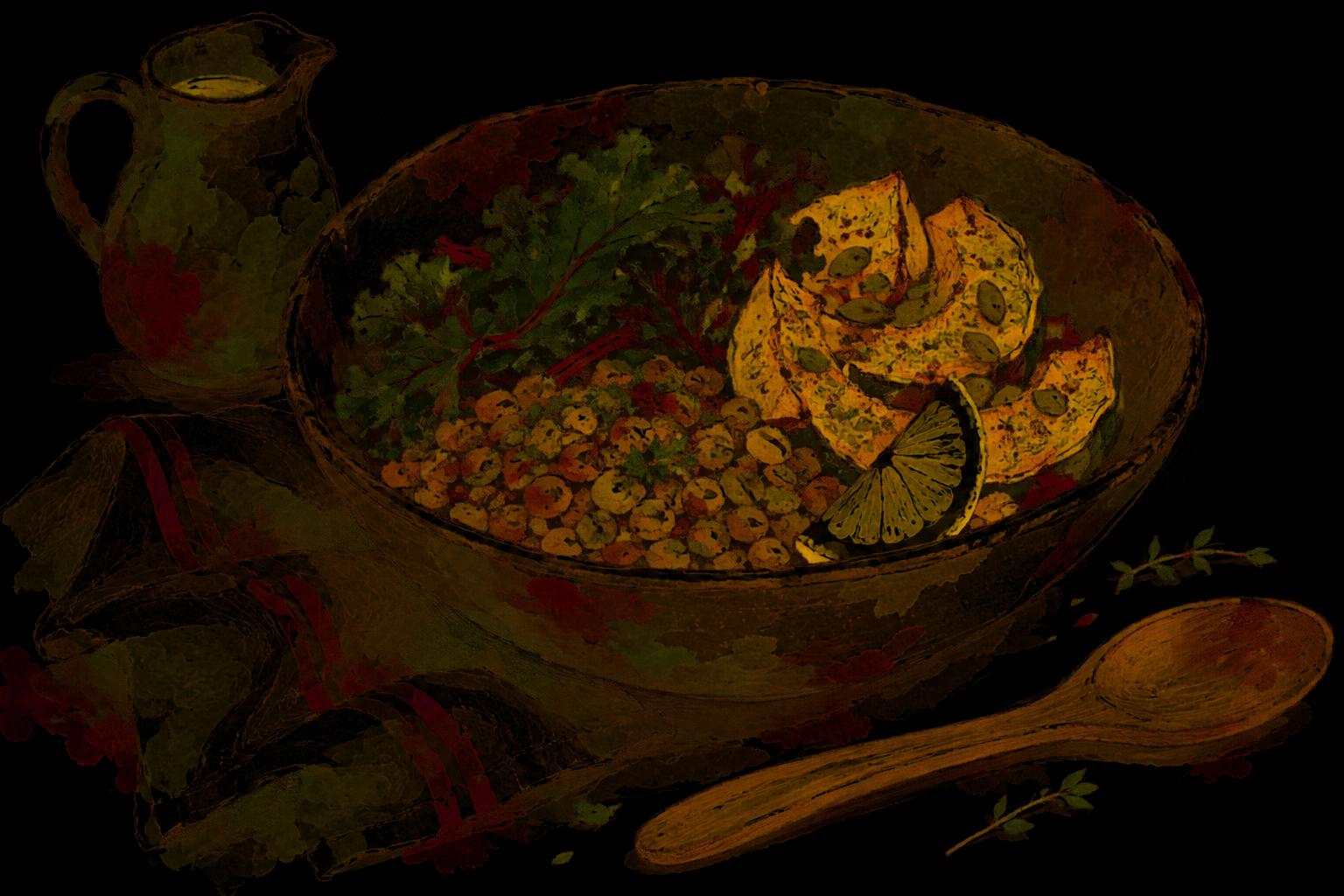
Good roasted cauliflower comes down to three things: dry florets, a hot oven at 425°F (220°C), and enough space on the tray that every piece touches the pan. Florets take about 20 to 30 minutes and come out golden at the edges and tender in the middle. A whole head takes longer, roughly an hour, and makes a fine centerpiece. You need very little oil for either.
I am a wellness coach, and I have eaten whole-food, plant-based for about thirty years, with no meat or dairy. Cauliflower is one of the vegetables I buy every week, because it keeps well, it costs little, and roasting turns a pale, plain head into something sweet and nutty. Food is Right Feeding, the second petal of the Starflower, the method in my book, Lifetime Body by Design, and the main piece for that petal is how to go plant-based. For the general method that works with any vegetable, see roasted vegetables. This piece is the close-up on one vegetable that many people get wrong.
Why roasted cauliflower goes soggy
Cauliflower holds a lot of water. In a crowded tray, or a cool oven, that water comes out as steam and the florets sit in it. They turn soft and grey before they ever brown. Most soggy cauliflower has one of these causes:
- The florets were wet. Water left from washing turns straight to steam.
- The tray was too full. Pieces piled on each other steam each other.
- The oven was not hot enough. At lower heat the inside cooks long before the outside colors.
- It was covered. Foil helps a whole head (more on that below), but florets need open air.
- Too much oil. A slick of oil in the tray fries the bottoms and leaves the tops pale and greasy.
Fix those five and the cauliflower takes care of itself.
How to roast cauliflower florets
This is my everyday roasted cauliflower recipe. It serves about four as a side.
- Heat the oven to 425°F (220°C) and line a large baking tray with parchment.
- Prepare the head. A medium head, about 2 pounds (900 g), is right for one tray. Pull off the outer leaves, cut the head into quarters through the core, then cut the florets away from the core into pieces about 1½ inches (4 cm) across. Cut the larger ones in half so there is a flat side.
- Wash and dry them well. Rinse, then spin them in a salad spinner or roll them in a clean towel. This step matters more than any other.
- Season lightly. In a big bowl, toss the florets with 1 to 2 teaspoons of extra virgin olive oil, a pinch of salt and pepper, and one spice. Use your hands so a little oil reaches every piece.
- Spread them out. Flat sides down, with a small gap around each floret. If they do not fit in one layer, use two trays.
- Roast for 20 to 30 minutes, turning once at about 15 minutes. Start checking at 20.
They are ready when the flat sides are deep golden, a few tips are almost charred, and a knife slides into the stem with no push. Times vary with your oven and the size of the pieces, so trust your eyes over the clock.
The core and thick stems are good to eat. Peel the tough outside, slice the inside into coins and roast them on the same tray. The small inner leaves crisp up nicely too.
Oven roasted cauliflower with almost no oil
You can roast cauliflower with no oil at all. On parchment it will not stick, and a hot oven still browns it, though the edges come out a little drier and chewier. To help spices cling without oil, toss the florets first with a squeeze of lemon, a splash of vegetable stock or a teaspoon of soy sauce.
I use extra virgin olive oil only, and only a little. I never use seed oils or cooking sprays. If you want richness, it is better added at the end: a spoon of tahini dressing drizzled over the hot tray does more for the flavor than oil ever did going in.
How to roast a whole cauliflower
Whole roasted cauliflower looks like a lot of effort and is mostly waiting. It is a good dish for a table of people, carved into wedges like a loaf.
- Heat the oven to 425°F (220°C).
- Trim the outer leaves and cut the stem flat so the head sits upright. Leave the core in, but cut a shallow cross into the base so heat reaches the middle.
- Rub the head all over with a teaspoon of olive oil, or with a thick paste of spices, lemon juice and a little water, salt and pepper.
- Set it in a baking dish, cover loosely with foil and roast for about 25 minutes. The foil traps a little steam so the center softens.
- Uncover and roast for another 30 to 45 minutes, until the outside is deep golden and a knife slides into the thickest part with no resistance.
That is roughly an hour in total for a medium head, more for a large one. Rest it for five minutes, then cut it into wedges at the table.
A hot oven and an empty space around each piece do more than any amount of oil.
Seasonings that suit cauliflower
Cauliflower is mild, so it carries strong flavors well. One or two from this table is plenty for a tray.
| Flavor | Before roasting | After roasting |
|---|---|---|
| Warm and golden | Cumin, turmeric, black pepper | Lemon juice, chopped cilantro |
| Smoky | Smoked paprika, garlic powder | Lime juice, a pinch of chili flakes |
| Curry | Curry powder, a little ground ginger | Toasted pumpkin seeds |
| Herby | Dried thyme or oregano | Chopped parsley, lemon zest |
| Savory | A teaspoon of soy sauce, garlic | Toasted sesame seeds, sliced green onion |
Add salt sparingly and taste once it comes out. A squeeze of lemon at the end often does more than another pinch of salt.
What to do with a tray of roasted cauliflower
A tray of florets rarely lasts long in my kitchen, but when it does, these are the places it goes.
- Into a grain bowl, with brown rice or quinoa, a handful of beans and greens. I build those in grain bowl.
- Into a big salad, warm or cold, with chickpeas and a sharp dressing.
- Into soup. Blend leftover roasted cauliflower with stock, a cooked onion and a can of white beans for a thick, creamy soup with no cream.
- Under a curry or dal, or mixed with lentils for a quick supper.
- Beside other roots. It shares a tray well with roasted carrots if you cut the carrots a little smaller.
If you want cauliflower in a different shape altogether, I wrote about grating it into grains in cauliflower rice. Let a tray cool, keep it covered in the fridge and eat it within a few days. Reheat it in a hot oven rather than a microwave so it crisps again.
Roasting one head a week is the kind of small, repeated choice I call a Right Action. Repeated often enough, it becomes the stem of the Starflower: a habit that holds without effort. I wrote more about that in how to build good habits. And a short walk while the tray is in the oven, or after the meal, is a pleasant partner habit; see walking after eating. For guided sessions across the whole method, see Lifetime Body by Design.
A few questions people ask me
What temperature is best for roasted cauliflower? 425°F (220°C) for florets and a whole head. Lower heat tends to leave it soft and pale.
Do I need to boil a whole cauliflower before roasting it? Some people do, for a few minutes, to speed things up. I find covering it with foil for the first part of roasting does the same job with one less pot.
Can I roast frozen cauliflower? Yes. Spread it straight from frozen on a hot, lined tray with plenty of space, and expect a little longer and a little less browning than fresh.
Why does my cauliflower smell strong when it cooks? Long, slow cooking brings out the sulfur smell. A short, hot roast keeps it sweet.
There is more from my kitchen under Whole food nutrition, and if you are just starting out, begin with how to go plant-based.
This article is general information and one person's experience. It is not medical or dietary advice. Please speak to your doctor or a registered dietitian before making significant changes to how you eat.
Carol Pocock is a wellness coach, yoga teacher and the author of Lifetime Body by Design. Guided sessions are at Lifetime Body by Design. More about Carol.

