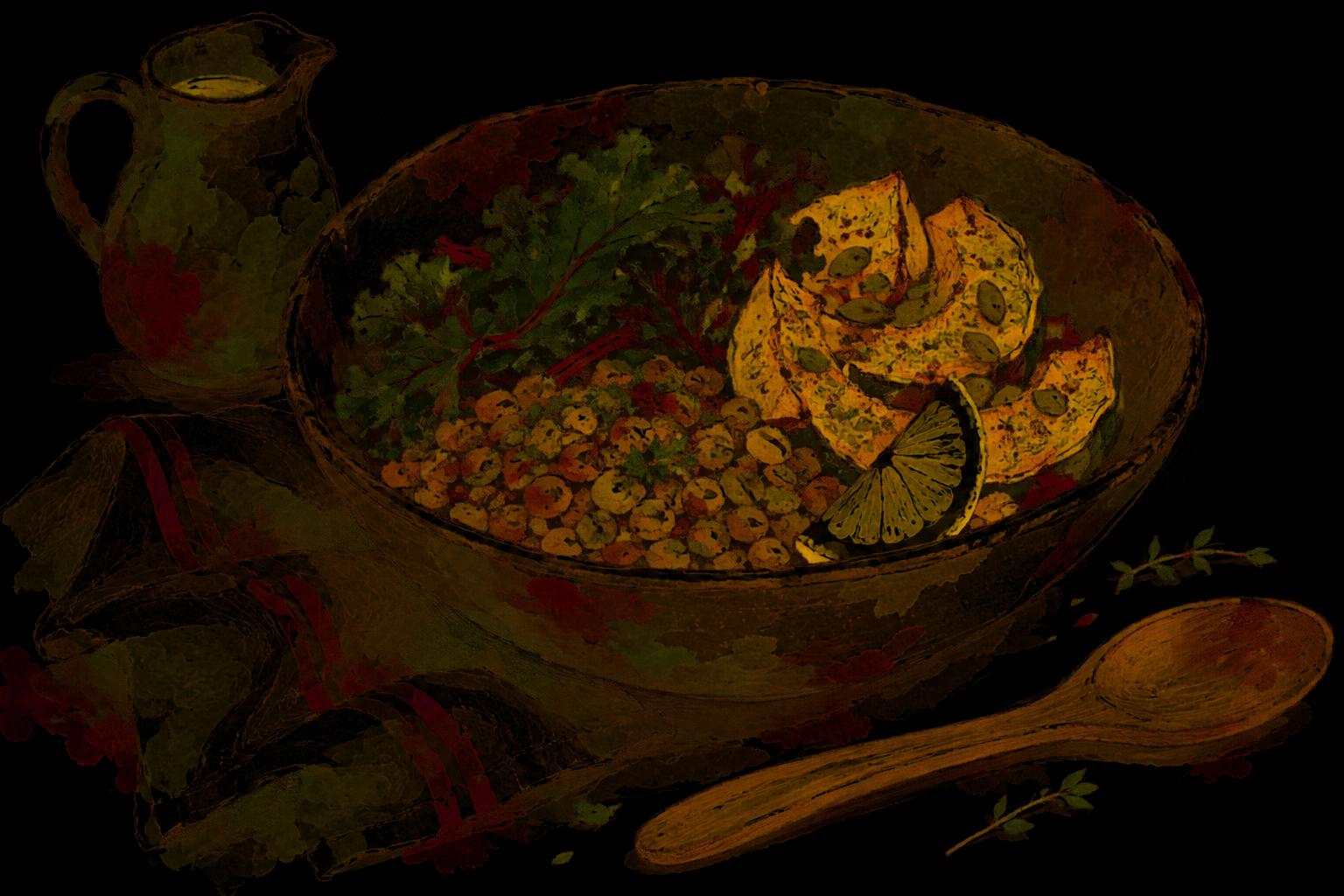
What is edamame? It is young green soybeans, picked while the beans are still soft and bright inside the pod, long before they dry into the hard beige soybeans used for tofu and soy milk. You buy it fresh in season or, far more often, frozen, either still in the pod or already shelled. To cook it, you boil or steam it for a few minutes, salt it, and eat the beans: the pod itself is tough and goes in the compost.
I am a wellness coach, and I have eaten whole-food, plant-based for about thirty years, with no meat or dairy. In my book, Lifetime Body by Design, food is Right Feeding, the second petal of the Starflower, the method the book is built on. Right Feeding means eating mostly whole plant foods, cooked simply, and a bag of frozen edamame is about as simple as it gets. It is one of the things I keep in the freezer so that there is always the start of a meal in the house. If you are new to eating this way, begin with how to go plant-based.
What edamame is, in plain words
Edamame is the Japanese name for edible, immature soybeans. That is how the South Dakota State University Extension describes it, and it adds that the beans are cooked before eating rather than eaten raw. "Immature" here simply means picked young, the way green peas are picked before they harden.
So edamame and the soybeans in tofu, tempeh and miso are the same plant at different ages. Young, they are green, sweet and tender, and you cook them like a vegetable. Left on the plant to dry, they become the firm pale beans that get soaked, cooked and turned into everything else. Soybeans are legumes, the same family as beans, lentils and peas, which I explain in what are legumes.
The taste is mild, a little sweet and a little nutty, with a firm, buttery bite. People who think they do not like beans are often surprised by edamame, because it tastes much more like a fresh pea than a dried bean.
Edamame in the pod or shelled?
You will see both in the freezer aisle, and both are worth having.
- In the pod. Fuzzy green pods, each holding two or three beans. These are the ones served warm and salted as a snack. You put a pod to your mouth, squeeze or pull it through your teeth, and the beans pop out. The pod is stringy and fibrous, so you discard it.
- Shelled. Just the beans, ready to go. These are the ones to use in cooking: in bowls, salads, stir-fries, soups and dips.
If I had to choose one bag, it would be shelled, because it goes into more meals. But a bowl of warm pods on the table is a lovely, slow thing to eat with your fingers.
Eat the beans, leave the pod.
How to cook frozen edamame
Most edamame is sold frozen, and it needs only a short time in the pot. Follow the package if it says something different. Times here are approximate and vary with the brand, the size of the beans and your stove.
To boil edamame
- Bring a medium pot of water to a boil with a good pinch of salt.
- Add the frozen edamame straight from the bag. No need to thaw it.
- Boil pods for about four to five minutes, or shelled beans for about three to four, until they are hot right through and tender but still have a little bite.
- Drain, and while they are still steaming, toss with a small pinch of flaky salt.
To steam edamame
Put an inch or so (about 2.5 cm) of water in a pan, set a steamer basket over it and bring it to a simmer. Add the edamame, cover and steam for about five to six minutes for pods, a little less for shelled beans. Steaming keeps them a touch firmer, which I like for salads.
Without a pot
Shelled edamame can go straight into a soup, a stir-fry or a pan of greens for the last few minutes of cooking. If you add it at the end, it stays bright green.
Taste one before you drain the lot. You want a bean that is soft enough to bite easily but has not gone mushy.
| Edamame | Boil | Steam | Best for |
|---|---|---|---|
| Frozen, in the pod | About 4 to 5 minutes | About 5 to 6 minutes | A warm snack with salt |
| Frozen, shelled | About 3 to 4 minutes | About 4 to 5 minutes | Bowls, salads, stir-fries, dips |
| Fresh, in the pod | About 5 to 6 minutes | About 6 to 8 minutes | When you find it in season |
How to season it without butter or sugar
Plain salted edamame is very good. When I want more, I reach for one of these:
- Lemon or lime juice and a little zest, with black pepper
- A few drops of soy sauce or tamari and a sprinkle of sesame seeds
- A grated clove of garlic and a pinch of chili flakes, tossed through the hot pods
- Smoked paprika and a squeeze of lime
- A teaspoon of extra virgin olive oil and chopped fresh herbs, for shelled beans
For pods, put the seasoning on the outside: you taste it as you pull the beans out with your teeth.
Five plain ways I use edamame
Once a bag is in the freezer, it ends up in all sorts of meals.
- In a bowl. Shelled edamame on brown rice or quinoa with shredded cabbage, carrot, cucumber and a spoonful of tahini sauce. That is a grain bowl in the time it takes the rice to cook.
- In a salad. A handful of cooled shelled beans makes a plate of greens into a meal. They are firm enough not to go soggy.
- In soup. Stirred into a pot of miso soup or a vegetable broth at the end, with greens and a few cubes of tofu.
- As a dip. Blend cooked shelled edamame with lemon, garlic, a spoonful of tahini and a splash of water, like a green cousin of hummus.
- As a snack. Warm pods with salt and lime, on the table with a cup of tea. I cover more ideas in vegan snacks.
If you already cook with soy, edamame sits happily beside the others. Tofu is soy milk pressed into a block, which I explain in how to cook tofu, and tempeh is whole soybeans fermented into a cake, in what is tempeh. Edamame is the simplest of the three: the bean itself, picked young.
Buying and storing edamame
- Frozen: look for bags where the beans move freely rather than one solid frozen lump, and check the ingredients. It should say edamame or soybeans and nothing else, perhaps salt.
- Fresh: look for plump, firm, bright green pods without yellow patches. Cook them soon, within a couple of days, and keep them in the fridge until then.
- Cooked: leftover cooked edamame keeps a few days in a covered container in the fridge. It is good cold.
Keeping a bag in the freezer is one of those small things that changes a lot. On the night you are tired and the fridge looks empty, there is still something green and filling to build a meal around. Small, repeated choices like that are what make an eating pattern stick, which is the idea behind how to build good habits.
A note on soy allergy
Soy is one of the nine major food allergens listed by the U.S. Food and Drug Administration, alongside milk, eggs, fish, shellfish, tree nuts, peanuts, wheat and sesame. Edamame is soy, so anyone with a soy allergy should leave it out, and anyone unsure should ask their doctor before trying it. If you are feeding guests, mention it, the way you would mention nuts.
A few questions people ask me
Can you eat the edamame pod? No. The pod is tough and stringy. Pull or squeeze the beans out and discard the pod.
Can you eat edamame raw? I would not. Edamame is cooked before eating, and a few minutes in boiling water or a steamer is all it takes.
Do I need to thaw frozen edamame first? No. Put it straight into boiling water, a steamer or the last minutes of a soup.
Is edamame good for you? That depends on you, and it is a question for your doctor or a registered dietitian, especially if you have a health condition, a soy allergy or take regular medicine. Many people find it an easy, filling plant food to add to the week, and I simply eat it as one food among many.
There is more from my kitchen under Whole food nutrition. Food is only one petal: a short walk after a meal belongs to another, which I write about in walking for exercise. For guided sessions across the whole method, see Lifetime Body by Design.
This article is general information and one person's experience. It is not medical or dietary advice. Please speak to your doctor or a registered dietitian before making significant changes to how you eat, especially if you have a food allergy, a health condition or take regular medication.
Carol Pocock is a wellness coach, yoga teacher and the author of Lifetime Body by Design. Guided sessions are at Lifetime Body by Design. More about Carol.

