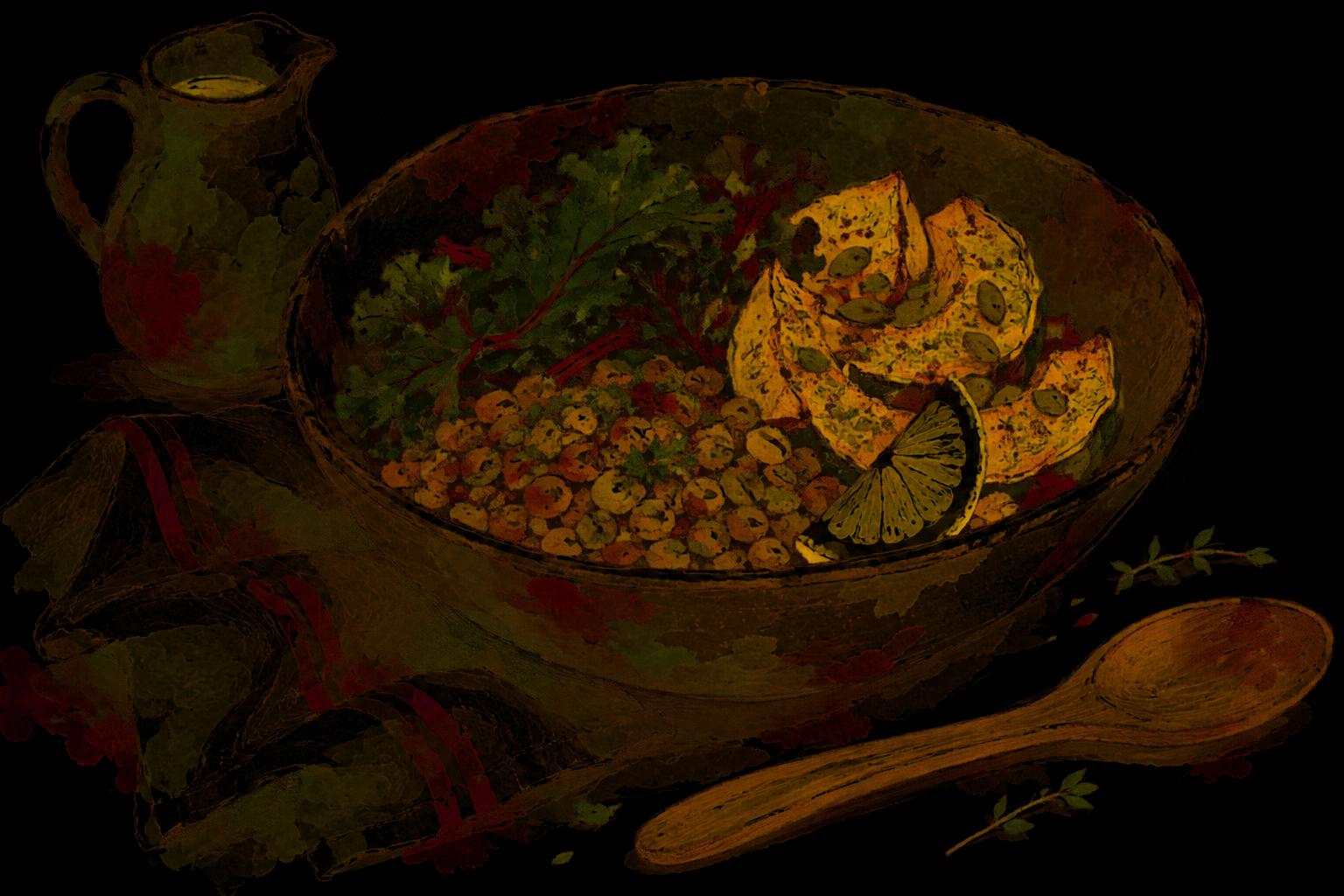
So what is sorghum? It is a cereal grass that began in Africa, and its grain is a small, round, creamy white or reddish kernel with a firm chew and a mild, slightly sweet taste. Pure sorghum is naturally gluten free. You cook the whole grain in plenty of water for 25 to 40 minutes or so, much like pasta, and you can even pop it in a dry pan like tiny popcorn.
I am a wellness coach, and I have eaten whole-food, plant-based for about thirty years, with no meat or dairy. A cupboard of three or four whole grains does a lot of quiet work in that way of eating, and sorghum earns its place because it is so hard to spoil. It stays chewy, it reheats well and it does not go soggy in a salad. If you like barley or farro, I think you will like sorghum.
Where sorghum fits in the way I eat
In my book, Lifetime Body by Design, food is Right Feeding, the second petal of the Starflower. Each petal is a "Right Action", one part of a healthy life practiced until it becomes ordinary. Right Feeding is about whole foods, eaten close to the way they grow, and a whole grain you cook from the kernel fits that well. I cover the wider petal in how to go plant-based.
What sorghum is, exactly
Sorghum belongs to the grass family, like wheat, rice and corn. The Whole Grains Council explains that the only cultivated species is Sorghum bicolor, which originated in Africa, where it is still an important cereal grain. Its grains can be white, yellow, red or brown. You may also see it called milo.
What sets it apart as a crop is its toughness. The Council describes sorghum as naturally drought tolerant, and it says that is a large part of why it matters around the world. Traditionally it is cooked into porridges and flatbreads and even brewed into drinks.
In the US, oddly, most people have never eaten it. The Council notes that much of the American crop goes to animal feed and industrial uses, which is a pity for anyone who likes a good chewy grain.
You will meet the sorghum grain in a few forms:
- Whole grain sorghum. Round, pale kernels with the bran left on. This is the one to cook for bowls and salads.
- Sorghum flour. Ground whole grain, which the Council suggests for pancakes, waffles and crêpes.
- Popped sorghum. The whole grain heated until it puffs, like a miniature popcorn.
Sorghum syrup is a separate product, a sweetener made from sweet sorghum. Since I keep added sugar out of my kitchen, that one is not what this piece is about.
Is sorghum gluten free?
Pure sorghum is. The Celiac Disease Foundation lists sorghum among the grains and starchy foods that are naturally gluten free.
If you avoid gluten for a medical reason, the same foundation notes that naturally gluten-free grains can pick up gluten during harvesting and processing. It advises buying versions tested for gluten and containing less than 20 parts per million, and it does not recommend buying grains from bulk bins. Look for a bag labeled gluten free, and read the ingredients on any mix or baked good made with sorghum flour, since other flours are often added. Your doctor or a dietitian can tell you what is right for you.
How to cook sorghum
The Whole Grains Council gives a ratio of 1 cup of dry sorghum to 4 cups of liquid, brought to a boil and then simmered for 25 to 40 minutes, which it says gives about 3 cups cooked. In practice I find it easiest to treat sorghum like pasta, because the kernels stay separate and you never have to worry about the pot drying out.
The pasta method. Rinse 1 cup (about 190 g) of whole sorghum in a sieve. Bring a large pot of water to a boil, add a pinch of salt and the sorghum, and simmer, partly covered, until the kernels are tender but still pleasantly chewy, about 40 minutes to an hour for whole grain. Drain well.
The measured method. Put 1 cup of rinsed sorghum in a pot with 4 cups (960 ml) of water or low-salt vegetable broth and a pinch of salt. Bring it to a boil, cover, turn it low and simmer until tender, checking from about 25 minutes. Drain off any water left over.
These times are approximate and vary a great deal with the sorghum, how long it has been stored, the pot and the stove. Whole sorghum is one of the slower grains, so taste rather than trust the clock. If you remember, soaking it in water overnight can shorten the time. A bay leaf or a smashed garlic clove in the water costs nothing and adds a lot.
| Sorghum | Barley | Farro | |
|---|---|---|---|
| What it is | A cereal grass from Africa | A cereal grain | An old form of wheat |
| Gluten | Naturally gluten free | Contains gluten | Contains gluten |
| Texture | Round, firm, very chewy | Softer, a little creamy | Firm, separate kernels |
| Flavor | Mild, slightly sweet | Mild and neutral | Nutty, slightly sweet |
| Best for | Salads, bowls, pilafs | Soups and stews | Salads and bowls |
If you like barley in soup or farro in a salad, sorghum can stand in for either, and it is the one of the three to choose for a friend who avoids gluten. I explain the other two in how to cook barley and what is farro.
A chewy grain is a patient grain. It waits in the fridge for days and still tastes like itself.
How to make popped sorghum
The Council notes that sorghum can be popped like popcorn, and it makes a lovely crunchy snack or topping. The kernels are small, so the puffs are too.
- Heat a heavy pot with a lid over medium-high heat for a minute or two. No oil is needed.
- Add 2 to 3 tablespoons of dry, unrinsed sorghum, so it sits in a single layer.
- Cover and shake the pot often as it pops, for a minute or two, until the popping slows.
- Tip it straight into a bowl so it does not scorch.
Work in small batches, and expect some kernels not to pop. Season it with a pinch of salt, smoked paprika or nutritional yeast, or scatter it over salads, soups and porridge.
Plain ways to use a pot of sorghum
- In a grain bowl. Sorghum is a sturdy base for a grain bowl with beans, roasted vegetables, greens and a tahini and lemon dressing. It will not go soggy under the sauce.
- In a chopped salad. Toss cooled sorghum with cucumber, tomato, red onion, parsley, mint, lemon juice and a small spoon of extra virgin olive oil. The Council notes its pearly shape makes a good stand-in for couscous.
- In a soup. Stir cooked sorghum into a pot of vegetable soup in the last few minutes, the way you would barley. It is good in minestrone soup.
- As a warm breakfast. Warm leftover sorghum with plant milk, cinnamon and chopped apple or berries for a chewy porridge.
Making it a habit
Keep dry sorghum in a sealed jar in a cool, dark cupboard. Cooked sorghum keeps in a covered container in the fridge for several days, and it freezes well spread on a tray and then packed flat in bags.
Because it takes a while to cook, sorghum is a weekend grain. Put a big pot on while you do something else, and the week's lunches are half made. That is the stem of the Starflower, Right Habits, at work: make the good choice the easy one, then repeat it until you stop thinking about it. I wrote more about that in how to build good habits. An easy walk after a filling bowl is a pleasant habit to pair with it, and I wrote about that in walking for exercise.
A few questions people ask me
What does sorghum taste like? Mild and slightly sweet, with a hint of corn or wheat, as the Council puts it. It takes strong flavors such as garlic, lemon and herbs very well.
Why is my sorghum still hard? It simply needs longer. Whole sorghum can take close to an hour, especially if it is old. Keep simmering, keep the water topped up and taste every ten minutes.
Is sorghum the same as millet? No. Both are small, naturally gluten-free grains, but millet is tiny and soft and good for porridge, while sorghum is larger and stays chewy. I wrote about millet in what is millet.
There is more from my kitchen under Whole food nutrition. If you are new to eating this way, begin with how to go plant-based. For guided sessions across the whole method, see Lifetime Body by Design.
This article is general information and one person's experience. It is not medical or dietary advice. Please speak to your doctor or a registered dietitian before making significant changes to how you eat.
Carol Pocock is a wellness coach, yoga teacher and the author of Lifetime Body by Design. Guided sessions are at Lifetime Body by Design. More about Carol.

