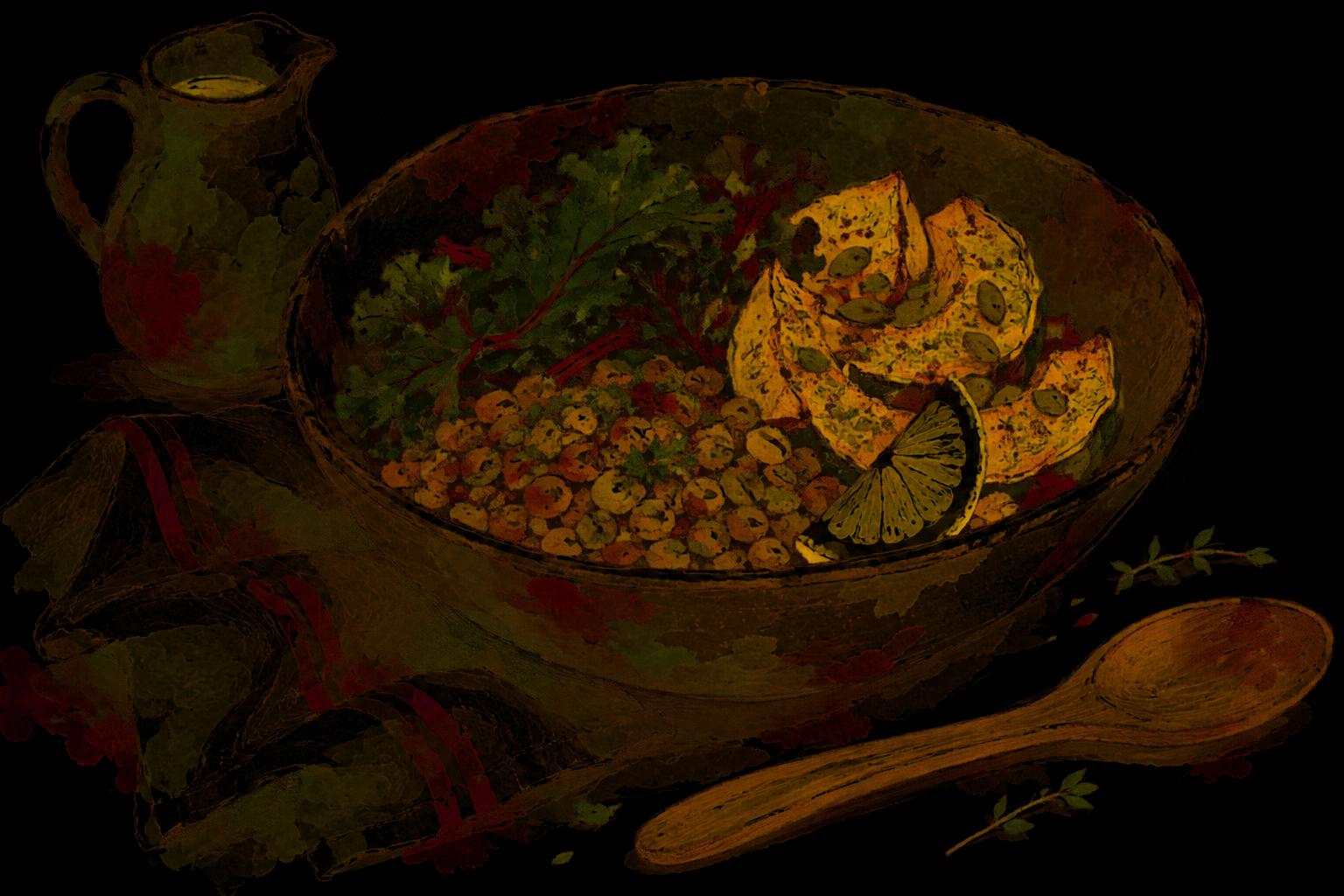
The secret of how to cook eggplant is to cook it longer and hotter than seems right, until the flesh collapses and turns soft and creamy all the way through. Underdone eggplant is the spongy, squeaky kind that puts people off it for years. Roast it in cubes or halves, bake it whole, or grill it in thick slices, and you need far less oil than most recipes suggest.
I am a wellness coach, and I have eaten whole-food, plant-based for about thirty years, with no meat or dairy. Eggplant is one of the vegetables that makes eating this way feel generous: it is filling, it soaks up whatever flavor you give it, and one large one turns into a meal. Food is Right Feeding, the second petal of the Starflower, the method in my book, Lifetime Body by Design. If you are new to all this, the petal's main piece is how to go plant-based.
Why eggplant goes spongy, and how to stop it
Raw eggplant flesh is full of tiny air pockets, a bit like a sponge. Two things go wrong. If you pour oil on it, the pockets drink the oil and you end up with something heavy and greasy. If you take it off the heat too soon, the pockets have not collapsed, and it stays firm and rubbery.
The fix for both is heat and time. As eggplant cooks through, the structure breaks down and the flesh turns silky. Once that happens it stops soaking up oil and starts giving back its own moisture. So:
- Cook it until a knife meets no resistance at all, then a few minutes more.
- Use a hot oven or grill, so the outside browns while the inside softens.
- Brush oil on lightly at the start rather than pouring it, or use none and add richness at the end.
Do you need to salt eggplant?
Honestly, most of the time, no. Salting means sprinkling cut eggplant with salt and leaving it for 30 minutes to an hour, so it gives up some water, then rinsing or patting it dry. Older recipes insist on it to remove bitterness. Many cooks today find the eggplants they buy are rarely bitter, especially when they are fresh, firm and not too large.
Where salting does help is texture. Eggplant that has given up some water browns faster and soaks up less oil, which matters most for pan cooking and grilling. For roasting in a hot oven, I usually skip it. If an eggplant is old, very large or full of seeds, salting is worth the half hour.
How to roast eggplant
Roasting is my everyday method. It works for cubes, which go into bowls and salads, and for halves, which become the creamy flesh for a dip.
Roasted eggplant cubes
- Heat the oven to 425°F (220°C) and line a large tray with parchment.
- Cut one large eggplant, about 1¼ lb (550 g), into 1-inch (2.5 cm) cubes. Leave the skin on.
- Toss with a teaspoon or two of extra virgin olive oil, or a splash of soy sauce and water, plus salt, pepper and a spice such as cumin or smoked paprika.
- Spread them out in a single layer with space between the pieces. Crowded eggplant steams.
- Roast for 25 to 35 minutes, turning once, until browned at the edges and soft right through.
Roasted eggplant halves
Cut the eggplant in half lengthwise and score the flesh in a crisscross pattern without cutting the skin. Brush the cut side with a few drops of oil, or none, and roast cut side down at 400°F (200°C) for 35 to 45 minutes, until the flesh is completely collapsed. Scoop it out with a spoon.
I go into the one-tray method for every other vegetable in roasted vegetables, and eggplant cubes are happy on a mixed tray with peppers, zucchini and red onion.
How to bake eggplant whole
This is the laziest method and gives the creamiest result. Prick a whole eggplant several times with a fork, put it on a lined tray, and bake at 400°F (200°C) for 45 to 60 minutes, turning once, until the skin is wrinkled and it slumps flat when you press it. Let it cool a little, split it, and scoop out the soft flesh.
That flesh is the start of a smoky eggplant dip. Mash it with a spoon of tahini, a squeezed garlic clove, lemon juice and salt. If you like dips, my piece on how to make hummus uses many of the same ingredients, and I explain what tahini is in what is tahini.
How to grill eggplant
Grilled eggplant has a deep, smoky flavor, but it is the method most likely to leave you with slices that are charred outside and raw inside.
- Cut the eggplant into rounds or long slices about ¾ inch (2 cm) thick. Thin slices dry out; thick ones stay raw.
- Salt them for 30 minutes if you have time, then pat them dry.
- Brush both sides very lightly with oil, just enough to stop sticking.
- Grill over medium-high heat for about 4 to 6 minutes a side, until well marked and soft when pressed. Move them to a cooler part of the grill if they color too fast.
A grill pan on the stove works the same way. For a smoky flavor without a grill, set a whole eggplant directly over a gas flame and turn it with tongs until the skin is blackened all over and the inside has collapsed, about 10 to 15 minutes.
Eggplant cooking times at a glance
These are approximate. Times vary with the size of the eggplant, how thick you cut it and your oven or grill.
| Method | How to cut | Heat | Approximate time |
|---|---|---|---|
| Roast | 1-inch (2.5 cm) cubes | 425°F (220°C) | 25 to 35 minutes |
| Roast | Halves, flesh scored | 400°F (200°C) | 35 to 45 minutes |
| Bake whole | Whole, pricked | 400°F (200°C) | 45 to 60 minutes |
| Grill or grill pan | ¾-inch (2 cm) slices | Medium-high | 4 to 6 minutes a side |
| Over a gas flame | Whole | Open flame | 10 to 15 minutes |
| Simmer in a sauce | 1-inch cubes | Gentle simmer | 20 to 30 minutes |
In every case the test is the same: it is done when it is soft all the way through.
Eggplant forgives being overcooked. It never forgives being undercooked.
Ways to eat it, and how to store it
Once you can cook it well, eggplant turns up everywhere.
- In a bowl. Roasted cubes over brown rice or farro with chickpeas and greens make a grain bowl. Finish with a tahini dressing.
- In a stew or curry. Cubes simmered with canned tomatoes, onion, garlic and chickpeas turn soft and rich in about half an hour.
- On toast or in a wrap. Grilled slices with tomato, basil and a little mashed white bean.
- As a dip. The baked whole flesh, as above.
Eggplant does not like the cold as much as you might expect. NC State Extension's produce guide notes that eggplant "is subject to chilling injury below 50°" (Fahrenheit), and says that is when pitting and bronzing of the skin can show up. At home, keep it somewhere cool and use it within a few days of buying. Choose eggplants that feel heavy for their size, with tight, shiny skin. Cooked eggplant keeps covered in the fridge for a few days and reheats well in a hot oven.
Buying one eggplant a week and cooking it the same way each time is the kind of small, repeated Right Action that becomes a habit, which is the stem of the Starflower. I wrote about how that works in how to build good habits. A filling, early dinner is also one of the easiest ways I know to close the kitchen for the night, as I wrote in how to stop eating at night.
A few questions people ask me
Should I peel eggplant before cooking? Usually not. The skin softens when it is cooked through and helps cubes hold their shape. For a smooth dip, scoop the flesh out of the skin after baking.
Why is my eggplant bitter? It may be old, overripe or very seedy. Choose firm, glossy eggplants, and salt the older ones before cooking.
Can I cook eggplant without oil? Yes. Roast it on parchment with a splash of soy sauce or stock, cook it until very soft, and add richness afterwards with tahini or lemon. It will be a little drier at the edges, and many people find they prefer it.
Which method is quickest? Grilling or a grill pan, at about ten minutes. Roasted cubes take around half an hour, most of it hands-off.
There is more from my kitchen under Whole food nutrition, and if you are starting out, begin with how to go plant-based. For guided sessions across the whole method, see Lifetime Body by Design.
This article is general information and one person's experience. It is not medical or dietary advice. Please speak to your doctor or a registered dietitian before making significant changes to how you eat.
Carol Pocock is a wellness coach, yoga teacher and the author of Lifetime Body by Design. Guided sessions are at Lifetime Body by Design. More about Carol.

