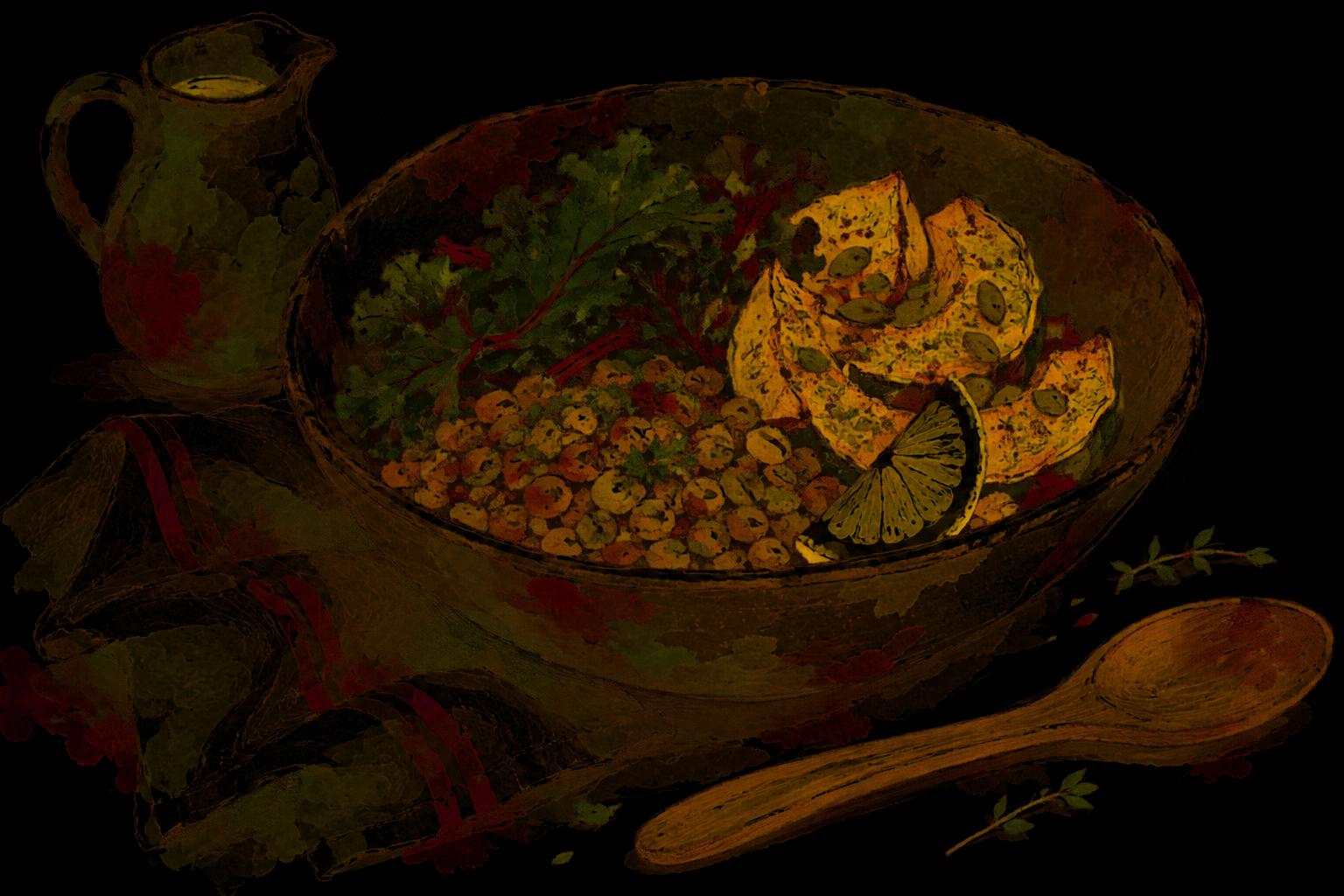
To make hummus that is smooth, not grainy, start with chickpeas that are softer than you think they need to be, whip the tahini with lemon juice before the chickpeas go in, add ice-cold water a spoonful at a time, and let the machine run for a full three or four minutes. That is the whole secret of how to make hummus at home. The ingredients matter much less than the order and the patience.
I am a wellness coach, and I have eaten whole-food, plant-based for about thirty years, with no meat or dairy. Hummus is one of the few foods I would call a daily staple: beans, sesame, lemon and garlic, nothing else needed. It sits under Right Feeding, the second petal of the Starflower, the method in my book, Lifetime Body by Design. Each petal is a "Right Action", one fundamental of health practiced until it becomes ordinary. If this way of eating is new to you, how to go plant-based is the place to begin.
I have already written about how to cook chickpeas from dried, with a quick hummus at the end, and about what is tahini and how to choose a good jar. This piece is only about texture: why homemade hummus so often turns out gritty, and how to fix it.
Why homemade hummus turns out grainy
Most grainy hummus has one of four causes, and usually more than one.
- The chickpeas are too firm. A chickpea that is pleasant to eat whole is still too firm to purée smoothly. Canned chickpeas are often like this.
- The skins are still on. Each chickpea has a thin, papery skin. Blended, those skins stay as tiny flecks you can feel on your tongue.
- Everything went in at once. Tahini, lemon and chickpeas tipped in together tend to make a thick paste that the blade pushes around instead of breaking down.
- It was not blended long enough. Thirty seconds looks finished. It is not. Smooth hummus needs several minutes, with the sides scraped down.
Fix those four things and you will not need much oil at all to make it creamy.
The ingredients for an easy hummus recipe
This makes about two cups, enough for a few days.
| Ingredient | Amount |
|---|---|
| Cooked chickpeas | 1 can (about 15 oz / 425 g), or 1½ cups home-cooked |
| Baking soda (for canned chickpeas) | ½ teaspoon |
| Tahini, well stirred | ⅓ cup (about 80 g) |
| Fresh lemon juice | 3 to 4 tablespoons (45 to 60 ml) |
| Garlic | 1 small clove |
| Salt | ½ teaspoon, then to taste |
| Ground cumin | ¼ teaspoon (optional) |
| Ice-cold water | 3 to 5 tablespoons (45 to 75 ml) |
A food processor is the easiest tool for this. A strong blender works too, though you may need a little more water to keep it moving.
How to make hummus, step by step
1. Soften the chickpeas. For canned chickpeas, drain and rinse them, put them in a small pan with the baking soda and enough water to cover, and simmer for about 15 to 20 minutes, until they are very soft and the skins start to float free. Drain and rinse well to wash off the baking soda. Home-cooked chickpeas that are already falling apart can skip this, and you can leave out the baking soda.
2. Lose some skins. Rub the warm chickpeas between your hands in a bowl of cold water. Many skins will float to the top; skim them off. You do not have to get every one. Removing even half makes a noticeable difference.
3. Soak the garlic. Grate or crush the garlic into the lemon juice with the salt and leave it for a few minutes while you deal with the chickpeas. This softens the raw bite.
4. Whip the tahini first. Put the tahini and the lemon and garlic mixture in the processor and run it for about a minute. It will seize and turn thick, then pale. Add two tablespoons of the ice water and run it again until it looks like a smooth, creamy sauce. This is the step most recipes skip, and it is the one that changes the texture most.
5. Add the chickpeas. Add the drained chickpeas and the cumin, and blend for two minutes. Stop, scrape down the sides, and blend another one or two minutes.
6. Loosen with ice water. With the motor running, add the remaining cold water a spoonful at a time until the hummus is light and soft. It firms up in the fridge, so stop when it looks a little looser than you want.
7. Taste and adjust. More lemon if it is flat, more salt if it is dull, a little more tahini if it tastes thin.
All in, it takes about half an hour with canned chickpeas, most of it simmering. Times vary with your stove and your chickpeas.
Smooth hummus is not a better recipe. It is softer chickpeas and two more minutes.
How to serve it, and how to keep it
Spread it in a shallow bowl and finish with a pinch of paprika or chopped parsley. A small drizzle of extra virgin olive oil on top is lovely, but it is a choice, not a requirement.
Serve it with raw carrots, cucumber, peppers and radishes, with warm whole-grain pita, spread inside a wrap with greens, or spooned beside a pile of roasted vegetables. It is also an easy protein for a grain bowl.
Homemade hummus keeps for about four or five days in a covered container in the fridge. Press a piece of baking paper onto the surface to stop a skin forming. It freezes reasonably well for a month or two, though it can loosen a little when thawed; stir it hard and it comes back.
Five variations on the master recipe
Once the base is smooth, you can change the flavor without touching the method.
- Roasted red pepper. Add one roasted red pepper, skin and seeds removed, with the chickpeas, and a pinch of smoked paprika. Use less water.
- Beet. Add one small cooked beet. The color is startling and the taste is gentle and earthy.
- Green herb. Add a large handful of parsley, cilantro or basil, or a mix, plus a little extra lemon.
- Roasted garlic. Swap the raw clove for half a head of roasted garlic, squeezed out of its skins. Softer, sweeter, much less sharp.
- White bean. Use cannellini beans in place of chickpeas. They are naturally softer and blend smooth with almost no effort.
Hummus without tahini
Some people do not have tahini in the house, and some cannot eat sesame at all. You can still make a good bean dip. Leave the tahini out, use an extra tablespoon of lemon juice, and add a spoonful of almond butter or cashew butter for richness, or simply a little more cooking liquid and a small splash of olive oil. It will taste brighter and less nutty, more of a chickpea purée than classic hummus, and that is fine.
A note on allergies. Sesame is one of the nine major food allergens listed by the US Food and Drug Administration, and it has had to be labeled as an allergen on packaged foods since January 1, 2023. If someone at your table has a sesame allergy, use the version above with no tahini, and check that any nut butter you swap in is safe for them too, since tree nuts are on the same list.
Making it a weekly habit
The reason I like hummus so much is that it makes vegetables easier to eat. A bowl of it at the front of the fridge turns a plate of cut carrots into a snack you actually want. Make a batch at the start of the week, the same day each week, and it stops being a recipe and becomes something you simply do. That is the idea behind everything in how to build good habits: make the good choice the easy one, then repeat it. Half an hour at the stove with nothing else to do is also a small piece of the unhurried pace I describe in slow living. For guided sessions across the whole method, see Lifetime Body by Design.
A few questions people ask me
Do I really have to peel the chickpeas? No. Softening them well with baking soda does most of the work. Peeling some of them makes it smoother still, but it is optional.
Why is my hummus bitter? Usually the tahini is old or unhulled, or the garlic is strong. Try a fresh jar of hulled tahini and soak the garlic in the lemon first.
Can I use dried chickpeas? Yes, and well-cooked dried chickpeas give a lovely texture. Cook them until they crush to paste between your fingers, and use their cooking liquid in place of some of the water.
There is more from the kitchen under Whole food nutrition. For a sauce made from the same jar of tahini, see tahini dressing, and for a dip of a different kind, how to cook eggplant.
This article is general information and one person's experience. It is not medical or dietary advice. Please speak to your doctor or a registered dietitian before making significant changes to how you eat.
Carol Pocock is a wellness coach, yoga teacher and the author of Lifetime Body by Design. Guided sessions are at Lifetime Body by Design. More about Carol.

